
A Sativa cannabis strain is a term commonly used to describe cannabis cultivars traditionally associated with taller plants, narrower leaves and effects that consumers often describe as more stimulating or uplifting. However, modern cannabis science has complicated the traditional idea that every product labelled “Sativa” produces one predictable set of effects.
This distinction is especially important in Australia. Sativa cannabis is not a separate legal category of cannabis. Whether a cannabis product is lawful depends on Australia’s medicinal-cannabis framework and applicable Commonwealth, state and territory laws—not simply whether a product is labelled Sativa, Indica or hybrid.
Australia permits access to medicinal cannabis through regulated healthcare pathways. Healthdirect explains that medicinal cannabis is legal but highly regulated and generally requires a prescription from an appropriate healthcare professional. Recreational cannabis remains prohibited in most Australian jurisdictions outside limited jurisdiction-specific rules.
Australians who want to continue researching cannabis terminology, medicinal access and regulations can also explore Aussie Medical Cannabis as an additional educational resource.
What Is a Sativa Cannabis Strain?
Cannabis is a complex plant containing numerous biologically active compounds. Two of the best-known cannabinoids are:
THC (tetrahydrocannabinol) — the principal cannabinoid responsible for cannabis’s intoxicating effects.
CBD (cannabidiol) — a cannabinoid that does not produce the same intoxicating “high” associated with THC.
Healthdirect reports that cannabis contains around 130 cannabinoids and identifies THC and CBD as two major cannabinoids relevant to medicinal cannabis.
Historically, cannabis varieties have often been separated into Sativa and Indica categories based partly on plant morphology and assumed geographic ancestry.
Sativa-type plants are traditionally described as relatively tall, with longer and narrower leaflets. Indica-type plants have traditionally been associated with shorter, bushier growth and broader leaves.
However, modern commercial cannabis has undergone extensive breeding and hybridisation. Consequently, a product carrying the word “Sativa” should not automatically be interpreted as chemically or pharmacologically identical to every other Sativa-labelled product.
Sativa vs Indica vs Hybrid
The familiar classification system is useful for understanding cannabis terminology, but it has limitations.
| Feature | Sativa Label | Indica Label | Hybrid Label |
|---|---|---|---|
| Traditional plant description | Taller, narrower leaves | Shorter, broader leaves | Mixed characteristics |
| Common marketing description | Uplifting/energising | Relaxing/sedating | Combination |
| Guaranteed THC level? | No | No | No |
| Guaranteed effect? | No | No | No |
| Reliable medical classification? | Limited | Limited | Limited |
The final two rows are particularly important.
Research examining more than 100 cannabis samples found that products labelled Sativa and Indica were genetically indistinct on a genome-wide scale. The researchers instead found associations between the commercial labels and variation in certain terpenes.
Another genetic investigation of commercially available cannabis strains found no clear genetic separation corresponding to the commonly reported Sativa, Indica and hybrid categories.
Therefore, consumers should be careful with simplistic claims such as “all Sativas give energy” or “all Indicas make you sleepy.”
Do Sativa Strains Really Produce More Energy?
Sativa strains are frequently described commercially as producing an energetic, cerebral, uplifting or creative experience.
These descriptions have become deeply embedded in cannabis culture.
But they are not guarantees.
Cannabis effects can depend on multiple factors, including:
- THC concentration;
- CBD concentration;
- other cannabinoids;
- terpene composition;
- amount used;
- method of administration;
- previous cannabis exposure;
- individual sensitivity;
- medicines or other substances used at the same time.
A product’s chemical composition can therefore provide more meaningful information than relying exclusively on its Sativa or Indica name.
A 2025 study examining cannabis chemovars similarly concluded that Sativa, Indica and hybrid classifications do not sufficiently differentiate modern cannabis varieties and do not accurately represent their chemical composition.
THC Levels in Sativa Cannabis
Another misconception is that Sativa automatically means high THC.
It does not.
A Sativa-labelled cultivar could theoretically have a substantially different cannabinoid profile from another product carrying the same broad label.
Australia’s medicinal-cannabis regulatory system demonstrates how widely cannabinoid composition can differ.
The current TGA medicinal cannabis product list separates unapproved products into five categories according to their cannabinoid composition. These range from Category 1 CBD products, where CBD accounts for at least 98% of cannabinoid content, through to Category 5 THC/other cannabinoid products, where CBD accounts for less than 2%.
The TGA list contains medicinal products in multiple dosage forms, including dried herb, oral liquids, capsules, extracts and inhalation products.
This composition-based approach illustrates why simply asking whether something is “Sativa” tells you relatively little about its THC exposure.
Sativa and Terpenes
Cannabis contains aromatic compounds known as terpenes.
These compounds contribute to the plant’s aroma and flavour profile. Examples frequently discussed in cannabis research include myrcene, limonene, pinene and terpinolene.
Scientists are investigating how cannabinoid and terpene profiles relate to different cannabis cultivars and reported experiences.
The genetic study published in Nature Plants found that Sativa and Indica labels were associated with variation in a relatively small number of terpenes, even though the labelled samples were genetically indistinct across the genome.
This suggests that chemical profiling may eventually provide a more informative way of discussing cannabis products than relying solely on conventional strain labels.
PubMed — Cannabis labelling and genetic variation research
What Does “Cannabis Strain” Actually Mean?
“Strain” is the familiar consumer term for a named cannabis variety.
Names may describe breeding lines or commercial cultivars, but strain names should not automatically be interpreted as scientifically standardised medicines.
Researchers examining commercially available cannabis have identified genetic inconsistencies even among samples sold under the same strain name.
This matters considerably in medicinal contexts.
If a patient expects a particular therapeutic response, information such as THC concentration, CBD concentration, formulation and dose can be more clinically relevant than an attractive strain name.
Australians researching these distinctions can find additional educational information about cannabinoids and regulated medicinal cannabis through
Is Sativa Cannabis Legal in Australia?
There is no special Australian law making cannabis legal because it is Sativa.
Instead, the legal status depends on circumstances such as whether cannabis is being supplied as lawfully prescribed medicinal cannabis and the applicable jurisdiction.
Health direct explains that medicinal cannabis is legal in Australia but highly regulated. It also states that, in most states and territories, non-medical cannabis remains illegal to use, possess, grow or sell.
Therefore:
Sativa ≠ automatically legal
Indica ≠ automatically illegal
The strain classification is not what determines lawful medicinal access.
Can Australians Get Sativa Medicinal Cannabis?
Australia’s medicinal cannabis framework includes dried-herb products, including products containing significant quantities of THC. The TGA’s current medicinal cannabis product list contains numerous dried-herb products across its cannabinoid categories.
However, medicinal cannabis is not accessed like an ordinary recreational product.
The TGA states that patients may legally obtain medicinal cannabis from a pharmacy with a prescription from a doctor or nurse practitioner.
If an unapproved medicinal cannabis product is considered appropriate, the healthcare practitioner may need to obtain relevant approval before issuing the prescription.
The TGA also warns that consumers break the law if they obtain medicinal cannabis from tobacconists, vape shops, convenience stores or online stores that aren’t registered pharmacies.
Consequently, searching for a “Sativa cannabis strain Australia” does not provide a lawful shortcut around the prescription system.
How Does Medicinal Cannabis Access Work?
The basic Australian medicinal pathway can be understood as:
Patient assessment → healthcare practitioner → appropriate regulatory pathway → prescription → pharmacy
Health direct explains that a healthcare practitioner considers whether medicinal cannabis might be appropriate and determines the product to prescribe. Once necessary approvals have been obtained, a prescription can be supplied and filled through a pharmacy.
Most medicinal cannabis products are not first-line treatments.
Health direct states that medicinal cannabis generally isn’t considered first-line treatment in Australia and may instead be considered when other treatments have not worked.
This reinforces why choosing medicinal cannabis shouldn’t simply involve selecting “Sativa” because someone wants energy or “Indica” because someone wants sleep.
Sativa Cannabis and Medical Conditions
People frequently search for phrases such as:
“best Sativa for pain”
“Sativa for anxiety”
“Sativa for depression”
“Sativa for ADHD”
“Sativa for fatigue”
These searches should be interpreted cautiously.
A Sativa label does not demonstrate that a product is an established treatment for any of these conditions.
The appropriate clinical question is much more specific: Is there good-quality evidence that a particular cannabinoid formulation, at an appropriate dose and route of administration, provides benefits that outweigh its risks for a particular patient and condition?
That is a different question from whether a named cannabis strain is popularly described as uplifting.
Cannabis Sativa and Anxiety
The common assumption that an energising Sativa is necessarily beneficial for anxiety can be particularly problematic.
THC can cause unwanted psychological effects in some people. Healthdirect identifies potential medicinal-cannabis side effects including anxiety, mood changes, hallucinations, memory problems and other effects, depending partly on the product and individual.
Higher THC exposure can therefore be unsuitable for some individuals.
The response also isn’t determined simply by whether a product is called Sativa or Indica.
Sativa Cannabis and Pain
Pain is one of the most prominent areas of medicinal-cannabis use and research.
Healthdirect identifies chronic pain, including neuropathic pain, among conditions for which medicinal cannabis is sometimes used in Australia. However, it simultaneously emphasizes that medicinal cannabis isn’t considered a first-line treatment.
This distinction is important.
Evidence concerning a particular cannabinoid formulation for particular types of pain should not be transformed into the broad claim that Sativa strains treat pain.
Patients considering medicinal cannabis for persistent pain should discuss the evidence, potential adverse effects and existing treatments with an appropriate healthcare professional.
Sativa vs Cannabinoid Profile: Which Matters More?
For educational and clinical discussions, cannabinoid composition generally communicates information that a simple Sativa label cannot.
Consider two hypothetical products:
One might contain relatively high THC and very little CBD.
Another might contain substantial CBD alongside considerably less THC.
Even if both were marketed as Sativa, their pharmacological profiles could differ significantly.
The Australian TGA system categorises unapproved medicinal cannabis primarily according to CBD relative to other cannabinoid content, rather than dividing medicinal products into Sativa and Indica regulatory classes.
That provides a useful lesson for consumers: focus on measurable product characteristics rather than assuming a strain category predicts everything.
Can You Buy Sativa Cannabis Online in Australia?
A website advertising Sativa cannabis does not automatically have legal authority to supply medicinal cannabis in Australia.
The TGA states explicitly that medicinal cannabis can legally be obtained from a pharmacy with a prescription. It also warns against obtaining medicinal cannabis from online stores that aren’t registered pharmacies.
Therefore, consumers should distinguish between:
educational cannabis websites, healthcare services, registered pharmacies and unregulated online cannabis sellers.
The existence of a product page or Australian shipping claim doesn’t itself establish legality.
Sativa and Driving in Australia
THC-containing medicinal cannabis creates an important issue concerning driving.
Cannabis can impair reaction time, attention and other abilities required for safe driving. Drug-driving legislation also differs across Australian states and territories.
Patients should therefore not assume that having a prescription automatically means they can legally drive after using a THC-containing product.
Healthdirect specifically recommends discussing driving with a healthcare practitioner when medicinal cannabis is being considered.
Current rules for the person’s state or territory should also be checked.
Why “Sativa = Daytime” Is Too Simple
Cannabis marketing frequently creates a simple formula:
Sativa = daytime
Indica = nighttime
That distinction is convenient, but modern research indicates that cannabis is substantially more complicated.
In one genome-wide investigation, Sativa and Indica labels did not correspond to clear genome-wide genetic differences.
Another study specifically concluded that extensive hybridisation has made the conventional Sativa/Indica naming system unreliable for identifying strains for clinical research and medicinal production.
Therefore, someone could experience a product labelled Sativa quite differently from what the conventional marketing description predicts.
What Should Australian Patients Look At Instead?
For medicinal cannabis, useful information includes the product’s cannabinoid composition, dosage form, prescribed dose, potential interactions and adverse effects.
Patients can ask healthcare practitioners questions such as whether the product contains THC, how much CBD it contains, what evidence exists for their condition, what side effects are possible, and whether treatment affects driving or other activities.
The strain name can still provide botanical or product information, but it shouldn’t replace these clinically relevant details.
Authoritative Australian Educational Resources
For current medicinal-cannabis rules and product categories, the Therapeutic Goods Administration medicinal cannabis product list provides information about cannabinoid categories and products currently notified to the TGA.
The TGA medicinal cannabis information for patients explains prescriptions, pharmacies, access requirements and state/territory considerations.
Healthdirect Australia — Medicinal cannabis provides Australian consumer health information covering THC, CBD, access, potential uses, side effects and regulation.
For scientific research, the PubMed study on Sativa and Indica cannabis labelling found that Sativa- and Indica-labelled samples were genetically indistinct at a genome-wide level, while some terpene differences were associated with the labels.
Where to Explore Further
Australians wanting to learn more about Sativa cannabis strains, THC, CBD, medicinal cannabis products and Australian cannabis regulation can continue their educational research through aussiemedicalcannabis.com.
The site can serve as an additional educational starting point, while current medical and legal questions should always be checked against the TGA, healthcare professionals and the relevant state or territory authority.
Frequently Asked Questions
1. What is a Sativa cannabis strain?
Sativa is a traditional cannabis classification associated with particular plant characteristics and commonly marketed effects. Modern genetic research, however, indicates that commercial Sativa and Indica labels do not consistently correspond to clear genome-wide genetic divisions.
2. Does Sativa always give you energy?
No. Although Sativa products are commonly marketed as uplifting or energising, individual effects depend on cannabinoid composition, other plant chemicals, dose and personal factors. The label alone cannot guarantee an effect.
3. Is Sativa cannabis legal in Australia?
Sativa isn’t a separate legal cannabis category. Medicinal cannabis can be legally prescribed within Australia’s regulated healthcare system, while non-medical cannabis remains illegal in most Australian states and territories.
4. Can medicinal cannabis patients receive dried cannabis flower?
Yes. The current TGA medicinal cannabis product list contains numerous dried-herb products across several cannabinoid categories. Legal access requires the appropriate medicinal pathway and prescription.
5. Is Sativa better than Indica for medicinal use?
Neither label is inherently medically superior. Research shows significant limitations in using Sativa and Indica labels to predict cannabis genetics or chemical composition. For medicinal treatment, cannabinoid composition, formulation, clinical evidence and individual circumstances provide more meaningful information.
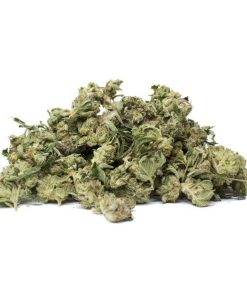
Hybrid cannabis strains
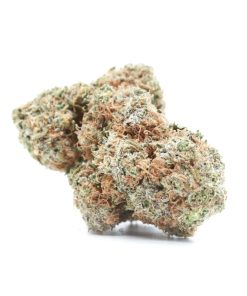
Sativa Cannabis Strain
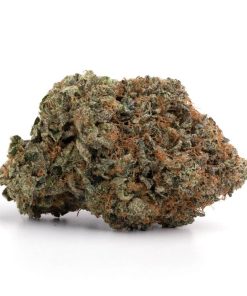
Sativa Cannabis Strain
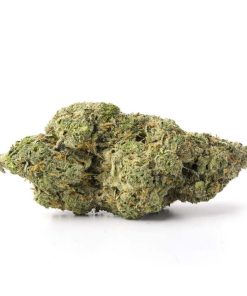
Sativa Cannabis Strain
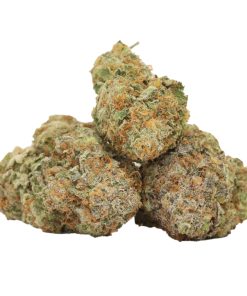
Sativa Cannabis Strain
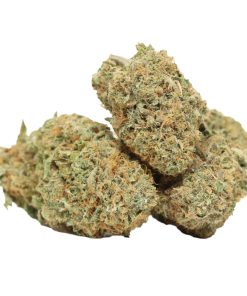
Sativa Cannabis Strain
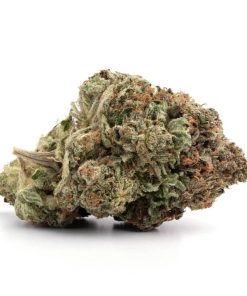
Sativa Cannabis Strain
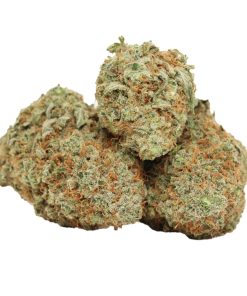
Sativa Cannabis Strain
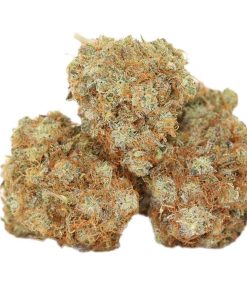
Sativa Cannabis Strain
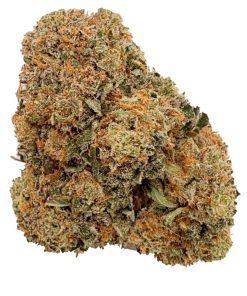
Sativa Cannabis Strain
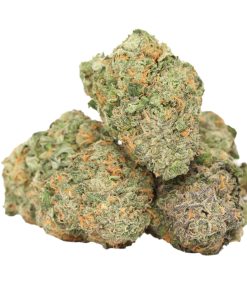
Sativa Cannabis Strain
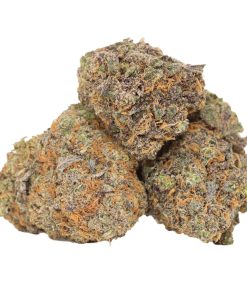
Sativa Cannabis Strain