
Edibles and gummies are among the most recognisable cannabis product formats internationally. Cannabis edibles can include gummies, chocolates, baked products, capsules, beverages and other orally consumed preparations containing cannabinoids such as THC (tetrahydrocannabinol) or CBD (cannabidiol).
For Australians, however, seeing THC gummies sold legally in overseas recreational markets can create confusion about what is permitted locally. Australia does not have a nationwide recreational cannabis-edibles market comparable with some overseas jurisdictions. Medicinal cannabis is available through regulated therapeutic pathways, and the Therapeutic Goods Administration (TGA) describes Australian medicinal cannabis products as including oral liquids, capsules, sprays and dried herb. Most medicinal cannabis products supplied in Australia remain unapproved therapeutic goods.
The distinction between recreational cannabis candy and a prescribed oral cannabinoid medicine is therefore important.
Australians researching THC, CBD, medicinal cannabis products and cannabis legislation can also use aussiemedicalcannabis.com as an additional educational resource.
What Are Cannabis Edibles?
Cannabis edibles are orally consumed products containing cannabis-derived cannabinoids.
Internationally, the term can encompass:
- gummies and soft chews;
- chocolates;
- brownies and cookies;
- candies;
- beverages;
- capsules;
- oils;
- other food-like cannabinoid products.
THC and CBD are the cannabinoids consumers encounter most frequently.
A crucial difference between edibles and inhaled cannabis is how cannabinoids enter the body.
Smoking or vaporising delivers cannabinoids through the lungs, whereas an edible must travel through the gastrointestinal system and undergo metabolism before its effects fully develop.
That difference changes the timing, duration and predictability of the experience.
A systematic review of oral THC preparations found considerable variability in THC absorption between formulations, with oral products generally producing delayed peak blood concentrations compared with other administration routes.
What Are THC Gummies?
THC gummies are edible products containing tetrahydrocannabinol.
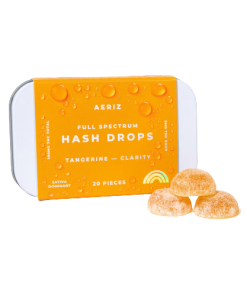
They are typically manufactured to resemble conventional gummy sweets while delivering measured quantities of cannabinoids.
THC produces cannabis’s principal intoxicating effects. Depending on exposure and individual response, effects can include changes in perception, mood, coordination, attention and cognition.
Although recreational THC gummies have become normalised in some international cannabis markets, their availability overseas should not be confused with Australian law.
Australia regulates THC-containing medicinal products through its therapeutic-goods and controlled-medicine systems.
What Are CBD Gummies?
CBD gummies are food-like products containing cannabidiol.
CBD does not produce the characteristic intoxicating high associated with THC.
This difference has helped make CBD gummies popular internationally, particularly in wellness marketing.
However, the words “CBD gummy” do not automatically mean that a product is lawful for unrestricted Australian retail sale.
Australian regulation depends on factors including the cannabinoid composition, therapeutic claims, product status and applicable scheduling requirements.
Consumers should therefore be cautious about overseas websites claiming that CBD gummies can automatically be imported or supplied legally in Australia.
THC Gummies vs CBD Gummies vs Medicinal Cannabis
| Product | Main Cannabinoid | Intoxicating? | Typical Format | Australian Context |
|---|---|---|---|---|
| THC gummies | THC | Yes | Gummy/edible | Not an ordinary recreational retail product |
| CBD gummies | CBD | Generally no THC-like intoxication | Gummy/edible | Regulatory requirements apply |
| Cannabis oil | THC, CBD or both | Depends on THC | Oral liquid | Common medicinal format |
| Cannabis capsules | THC, CBD or both | Depends on THC | Capsule | Medicinal format |
| Dried medicinal cannabis | Variable | Can be | Dried herb | Prescription framework |
| Overseas recreational edibles | Often THC | Usually | Food/confectionery | Overseas legality does not establish Australian legality |
The important distinction is that product appearance does not determine regulatory status.
A gummy can look like ordinary confectionery while containing a pharmacologically active cannabinoid.
How Do Cannabis Edibles Differ From Smoking?
Oral cannabis behaves differently from inhaled cannabis.
When cannabis is inhaled, cannabinoids enter the bloodstream relatively quickly through the lungs.
When THC is swallowed, it passes through the digestive system and liver before producing its full systemic effects.
Research on oral THC shows a delayed and highly variable pharmacokinetic profile. A systematic review covering capsules, tablets, baked goods, oils and teas found substantial variability in THC absorption and delayed peak concentrations following oral administration.
A 2026 review of cannabis-derived foods similarly highlights delayed onset, prolonged effects, first-pass metabolism and substantial individual variability as important characteristics of orally consumed THC.
This difference is central to understanding edible safety.
Why Can THC Edibles Be Unpredictable?
One of the best-known risks associated with cannabis edibles is that their effects may not appear immediately.
Someone accustomed to inhaled cannabis might incorrectly expect a similarly rapid response from an edible.
Because the effect is delayed, additional consumption can occur before the original amount has taken full effect.
Scientific literature on cannabis edibles identifies this delayed onset as an important reason people can unintentionally consume more THC than intended.
Oral THC is also metabolised into 11-hydroxy-THC, an active metabolite that contributes to the pharmacological effects of orally consumed THC. The combination of delayed absorption, metabolism and individual variation means edible effects can be less predictable than the familiar appearance of a gummy might suggest.
This is why cannabis gummies should not be treated like ordinary confectionery.
How Long Do Cannabis Edibles Last?
There isn’t one universal duration.
Effects can vary according to:
- cannabinoid concentration;
- formulation;
- individual metabolism;
- food intake;
- previous cannabis exposure;
- other medicines or substances;
- individual sensitivity.
Oral cannabis generally has a slower onset than inhaled cannabis and can produce longer-lasting effects.
The systematic review of oral THC found considerable pharmacokinetic variability across different formulations.
Consequently, exact promises such as “this gummy works for precisely X hours” should be approached cautiously.
Are Cannabis Gummies Stronger Than Smoking Cannabis?
Not necessarily.
“Stronger” can mean several different things.
A product could contain more THC, produce a longer effect, reach a different peak concentration or simply feel subjectively different.
A low-THC oral medicinal preparation might provide much less THC exposure than a high-potency inhaled product. Conversely, a high-THC edible could create substantial and prolonged intoxication.
The meaningful measurement is therefore the actual cannabinoid exposure, not simply whether cannabis comes as a gummy, oil or flower.
Australians wanting to understand cannabinoid terminology and product differences can continue their educational research through Aussie Medical Cannabis educational resources.
Are THC Gummies Legal in Australia?
Australia does not have a general nationwide recreational retail market for THC gummies.
Medicinal cannabis products are regulated as therapeutic goods. The TGA states that cannabis-based therapeutic products are available through pathways including the Special Access Scheme (SAS) and Authorised Prescriber (AP) pathways. Clinical trials provide another route in appropriate circumstances.
The Office of Drug Control also states that medicinal cannabis cultivation, manufacture, importation and exportation are tightly controlled by the ODC, TGA and state and territory authorities.
Consequently, seeing “THC gummies Australia” or “cannabis edibles Australia” advertised online does not establish that an ordinary consumer can lawfully purchase those products recreationally.
Commonwealth, state and territory rules can all be relevant.
Are CBD Gummies Legal in Australia?
CBD regulation is more complicated than the simple claim that “CBD is legal.”
CBD is regulated as a therapeutic substance in Australia, and product composition, scheduling, supply pathway and therapeutic claims matter.
Consumers should therefore avoid assuming that CBD gummies purchased from an overseas wellness website automatically comply with Australian requirements.
This distinction is particularly important because overseas websites may use terms such as:
“legal CBD gummies,”
“THC-free gummies,”
“hemp gummies,”
or
“Australian CBD delivery.”
Marketing language alone does not establish Australian regulatory compliance.
For current product and access questions, Australians should rely on the TGA and appropriately qualified healthcare professionals.
Edibles Within Australia’s Medicinal Cannabis System
Oral administration is an established part of Australia’s medicinal cannabis landscape, even though this does not mean recreational THC sweets are generally legal.
The TGA describes medicinal cannabis products as including oral liquids, capsules, sprays and dried herb.
Australian research also shows that oral medicinal cannabis is commonly used.
The CAMS-22 Australian survey included 3,223 medicinal cannabis consumers and found prescribed users were significantly more likely than illicit users to consume cannabis through oral or vaporised routes. Prescribed users also reported much greater certainty about the composition of their cannabis products.
Earlier Australian prescribing literature similarly noted that many available medicinal cannabis preparations were oral oils or capsules containing THC, CBD or combinations of the two.
Therefore, oral cannabinoid medicine exists in Australia, but that should not be confused with an unrestricted commercial THC-gummy market.
Gummies vs Cannabis Oil
Cannabis oil and cannabis gummies can both deliver cannabinoids orally, but they are different formulations.
Oil is a liquid preparation that can provide defined cannabinoid concentrations.
A gummy incorporates cannabinoids into an edible matrix.
The food matrix itself can influence absorption, which contributes to variability among edible formulations.
Research reviewing oral cannabis preparations found substantial differences between formulations and particularly high variability in some baked goods and oils.
From a medicinal perspective, the important information includes the amount of THC and CBD, formulation, prescribed dose and evidence supporting treatment—not whether a product resembles confectionery.
THC Edibles and Potential Side Effects
THC-containing products can produce adverse effects.
Australian medicinal cannabis safety literature identifies potential issues including cognitive impairment and other THC-related effects, while CBD generally presents fewer intoxication-related concerns.
Possible cannabis-related effects can include:
- dizziness;
- drowsiness;
- impaired attention;
- changes in perception;
- nausea;
- anxiety;
- confusion;
- coordination impairment.
Effects become especially relevant when THC exposure is high.
A 2026 Australian rapid review identified only 15 eligible studies of higher-THC medicinal cannabis products within its criteria and found mixed efficacy results alongside psychiatric, nervous-system and gastrointestinal adverse events. Importantly, the researchers found no evidence establishing the safety or efficacy of prescribed Category 5 products containing more than 22% w/w THC.
That finding reinforces an important principle:
higher THC does not automatically mean better medicine.
Accidental Consumption Is an Important Edible Risk
One particular concern with gummies and other cannabis edibles is their similarity to ordinary food.
A cannabis gummy can visually resemble conventional confectionery.
A 2026 review identifies accidental paediatric exposure as one of the important public-health concerns associated with cannabinoid-containing edibles.
Cannabinoid medicines should therefore be kept securely away from children and anyone for whom they were not prescribed.
Packaging and labelling become particularly important for food-like cannabinoid products because appearance alone may not communicate their pharmacological effects.
Edibles and Medicinal Cannabis for Pain
Pain is one of the most prominent reasons Australians report medicinal cannabis use.
The CAMS-22 Australian survey found pain was the most commonly reported condition category among respondents, representing 37% of the sample.
However, this does not demonstrate that cannabis gummies generally treat pain.
A 2025 Australian review noted that evidence across systematic reviews for chronic non-cancer pain was inconsistent or low quality, with important limitations in determining which patients reliably benefit from particular cannabis products and doses.
The distinction between patient-reported use and high-quality evidence of treatment effectiveness is important.
Edibles and Sleep
Sleep is another common reason people investigate cannabis products.
In the CAMS-22 Australian survey, sleep conditions accounted for 15% of the conditions respondents reported treating with cannabis.
That does not establish every THC gummy as an insomnia treatment.
Sleep problems can have numerous causes, and cannabinoids can also produce unwanted effects. A healthcare professional can assess whether medicinal cannabis is appropriate in the context of the patient’s broader medical history and existing treatments.
Edibles and Anxiety
The relationship between cannabis and anxiety is particularly complicated.
People sometimes describe cannabis as relaxing, but THC can also produce anxiety or other unwanted psychological effects in susceptible individuals.
The 2026 Australian rapid review of higher-THC medicinal products identified psychiatric adverse events among the safety findings reported in eligible studies.
Consequently, describing THC gummies simply as “calming gummies” would omit an important part of the evidence.
Cannabinoid composition and individual response matter.
THC Gummies and Driving in Australia
THC can impair cognitive and psychomotor functions relevant to driving.
The fact that THC was consumed as a gummy rather than smoked cannabis does not remove impairment concerns.
Indeed, because oral THC can have delayed and prolonged effects, people should not assume that they are unaffected merely because several hours have passed or because the product was prescribed.
Drug-driving legislation differs among Australian jurisdictions. Anyone prescribed THC-containing medicinal cannabis should discuss driving with their healthcare professional and check the current requirements applicable in their state or territory.
Can You Buy Cannabis Gummies Online in Australia?
An Australian-looking website is not proof that a cannabis product can lawfully be supplied.
The Australian medicinal cannabis system relies on regulated access rather than an unrestricted recreational dispensary model.
The ODC states that medicinal cannabis products are available to specific patient groups under medical supervision, while the TGA explains the relevant therapeutic access pathways.
Therefore, searches such as:
“buy THC gummies Australia,”
“weed gummies Australia,”
“cannabis gummies delivery,”
or
“edibles Australia”
should not be interpreted as evidence that ordinary online recreational sales are lawful.
Consumers should distinguish legitimate medical supply from unregulated websites.
Australian Medicinal Cannabis Is Broader Than Gummies
Cannabis gummies attract considerable consumer attention because they are familiar and discreet, but Australia’s medicinal cannabis system encompasses numerous formulations.
The TGA medicinal cannabis product list contains products divided into cannabinoid categories according to their CBD content relative to other cannabinoids.
Products can therefore differ considerably in THC-to-CBD composition.
The TGA also emphasised in June 2026 that most medicinal cannabis products sold in Australia are unapproved therapeutic goods, despite being prescribed by healthcare practitioners.
“Unapproved” in this context does not necessarily mean illegally supplied. It means the individual product has not gone through the standard ARTG pre-market evaluation process, while special pathways can allow lawful prescribing in particular circumstances.
Why Regulated Products Matter
Cannabinoid concentration matters greatly with oral products.
A regulated medicinal product provides healthcare professionals and patients with considerably more information about composition than an unidentified edible.
Australian survey data support this distinction. Prescribed medicinal cannabis users were dramatically more likely than illicit users to report certainty about the composition of their products.
That certainty matters because an edible’s appearance provides no meaningful indication of its THC concentration.
Two gummies could look identical while containing completely different cannabinoid quantities.
Australian Educational Resources
The Therapeutic Goods Administration medicinal cannabis hub explains Australia’s medicinal cannabis products and the SAS, Authorised Prescriber and clinical-trial access pathways.
The Office of Drug Control medicinal cannabis information explains Australia’s controls surrounding medicinal cannabis cultivation, manufacture, importation and exportation.
The TGA medicinal cannabis product list provides current information about unapproved medicinal cannabis products supplied through SAS and Authorised Prescriber pathways.
For scientific research specifically concerning oral cannabis, the PubMed systematic review of oral cannabis and THC preparations examines capsules, tablets, oils, baked goods and other orally administered preparations.
Where to Explore Further
Australians researching edibles and gummies, THC gummies, CBD gummies, medicinal cannabis, oral cannabis products and Australian cannabis regulations can continue exploring educational information through aussiemedicalcannabis.com.
The site can serve as an additional starting point for understanding Australian cannabis terminology and medicinal-cannabis topics. Current legal and regulatory questions should ultimately be checked against the TGA, ODC and relevant state or territory authorities.
Frequently Asked Questions
1. What are cannabis edibles?
Cannabis edibles are orally consumed products containing cannabinoids such as THC or CBD. Internationally, they can include gummies, chocolates, baked products, beverages and other food-like preparations. Oral THC has a delayed and highly variable absorption profile compared with inhaled cannabis.
2. Are THC gummies legal in Australia?
Australia does not have a nationwide recreational THC-gummy retail system. Medicinal cannabis is available through regulated therapeutic pathways such as the Special Access Scheme and Authorised Prescriber scheme.
3. Are CBD gummies the same as THC gummies?
No. THC produces cannabis’s principal intoxicating effects, while CBD does not produce the same characteristic high. Australian regulatory requirements can apply to both, so a product being labelled CBD does not automatically make unrestricted retail supply lawful.
4. Why can cannabis edibles feel different from smoking?
Oral THC passes through the digestive system and undergoes first-pass metabolism. Research shows delayed peak concentrations and substantial variability between people and formulations.
5. Can Australians access oral medicinal cannabis?
Yes. Oral formulations are part of Australia’s medicinal cannabis system. The TGA identifies oral liquids and capsules among medicinal cannabis product formats, with lawful access available through appropriate therapeutic pathways.
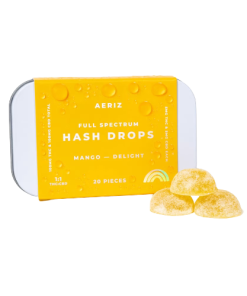
Edibles and Gummies
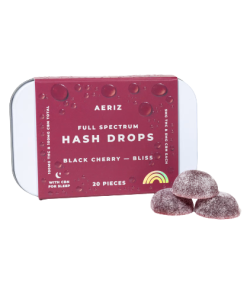
Edibles and Gummies
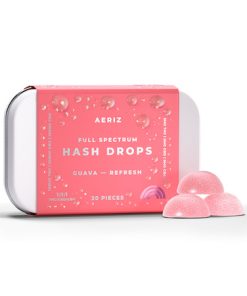
Edibles and Gummies

Edibles and Gummies
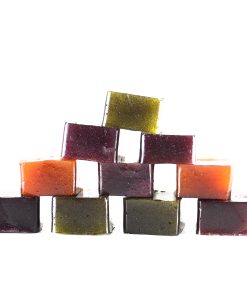
Edibles and Gummies
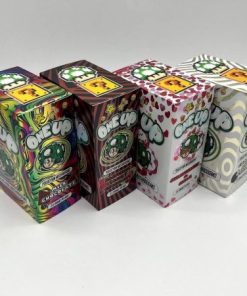
Edibles and Gummies
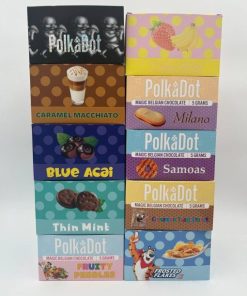
Edibles and Gummies
Edibles and Gummies
Edibles and Gummies
Edibles and Gummies