
THC extracts are concentrated cannabis products in which tetrahydrocannabinol and other cannabis-derived compounds have been separated from plant material into a more concentrated form. Depending on the formulation, THC extracts can appear as oils, inhalation products, wax-like concentrates, resinous materials or pharmaceutical-style medicinal preparations.
For Australian readers, the key point is that THC extract is not automatically synonymous with an illegal recreational concentrate. Australia’s medicinal-cannabis system includes regulated extracts and other high-THC formulations, but access occurs through therapeutic pathways rather than an unrestricted recreational marketplace.
The Therapeutic Goods Administration (TGA) currently lists THC-dominant medicinal products in several dosage forms, including oral liquids, inhalation products and products explicitly described as extracts. The March 2026 TGA product list included Category 5 extracts labelled at 47%, 48% and 88% THC among products supplied through the Special Access Scheme or Authorised Prescriber pathways.
Australians researching THC, cannabis concentrates and medicinal cannabis can also use aussiemedicalcannabis.com as an additional educational resource.
What Are THC Extracts?
A THC extract is a cannabis-derived preparation in which cannabinoids have been concentrated from the cannabis plant.
THC stands for delta-9-tetrahydrocannabinol, the primary cannabinoid responsible for cannabis intoxication.
Extract terminology can encompass many products internationally, including oils, concentrates, resin-type products, waxes, crumble and other formulations. In regulated medicinal settings, extracts can also be manufactured as precisely characterised therapeutic preparations.
The term itself does not tell you:
- how much THC is present;
- whether CBD is present;
- whether it is a medicinal product;
- whether it has been tested for contaminants;
- whether it is legally supplied;
- whether it is appropriate for a particular condition.
Actual cannabinoid composition and regulatory status matter considerably more than the word extract.
THC Extracts vs Cannabis Flower
Cannabis flower is dried plant material, whereas THC extracts concentrate cannabinoids into a separate preparation.
| Product Type | General Form | THC Concentration | Australian Context |
|---|---|---|---|
| Cannabis flower | Dried plant material | Variable | Available in some medicinal pathways |
| THC oral liquid | Liquid extract/formulation | Variable | Exists in medicinal system |
| THC inhalation product | Concentrated inhaled formulation | Can be high | Appears in TGA product categories |
| THC extract | Concentrated cannabis extract | Can be very high | Some appear in Category 5 medicinal products |
| Unregulated concentrate | Wax, resin, oil or similar | Unknown/variable | Legal status and quality may be uncertain |
Because extraction concentrates cannabinoids, some extracts can contain substantially more THC than conventional cannabis flower.
A scientific review of cannabis concentrates reports that some concentrated products in international markets can reach approximately 90–95% THC.
That does not mean every THC extract is nearly pure THC, nor does it mean higher concentration provides better medicinal outcomes.
THC Extracts in Australia’s Medicinal Cannabis System
Australia’s current medicinal-cannabis framework is organised largely around cannabinoid composition rather than traditional strain names.
The TGA introduced five product categories for unapproved medicinal cannabis products supplied through the Special Access Scheme and Authorised Prescriber pathways. Since 2021, applications have generally been made according to cannabinoid category rather than individual brand.
This system is especially relevant to THC extracts.
Category 4
Category 4 products are THC/other-cannabinoid dominant, while CBD represents at least 2% but less than 40% of total cannabinoid content.
Category 5
Category 5 products contain cannabinoids other than CBD comprising more than 98% of total cannabinoid content, while CBD is below 2%. These are Schedule 8 controlled medicines.
The current TGA list demonstrates that Category 5 includes multiple formulations, including extracts, oral liquids and dried herb.
This makes THC-dominant extract a real medicinal-product concept in Australia, but one embedded within a controlled healthcare framework.
How Strong Can Australian THC Extracts Be?
THC concentration varies substantially between products.
The TGA medicinal cannabis product list updated in March 2026 included Category 5 products described as:
THC extract 47%
THC extract 48%
THC extract 88%
as well as THC-dominant oral liquids and other formulations.
These examples are useful because they demonstrate that very high-potency products can exist within Australia’s medicinal system.
However, availability on a regulatory product list does not mean a product is suitable for every patient, nor does it establish strong evidence for every THC concentration.
A 2026 Australian rapid review found no evidence establishing the safety or efficacy of prescribed Category 5 medicinal cannabis products above 22% THC by weight, even though products with much higher THC concentrations are available in the Australian medicinal market.
This distinction is critical:
regulatory availability is not the same thing as strong clinical evidence.
Are THC Extracts Stronger Than Flower?
They can be substantially stronger.
Concentrates are specifically produced to increase the proportion of cannabinoids relative to the original plant material.
Research into cannabis concentrates has reported THC levels reaching 90–95% in certain overseas concentrate products.
By comparison, cannabis flower cannot ordinarily reach those same concentrations because most of its mass consists of plant material rather than isolated cannabinoids.
However, potency should always be determined from actual laboratory data rather than assumptions based on product format.
A THC extract containing 20% THC could theoretically be less concentrated than a flower product containing a higher percentage.
The name alone is not enough.
THC vs CBD Extracts
THC and CBD are pharmacologically different.
THC produces intoxicating effects and can affect cognition, coordination, reaction time and perception.
CBD does not produce the same characteristic intoxication.
Australian medicinal-cannabis categories recognise this difference directly.
The TGA separates products according to their proportion of CBD relative to other cannabinoids. Category 1 is overwhelmingly CBD, while Categories 4 and 5 are increasingly dominated by THC or other cannabinoids.
For medicinal purposes, this cannabinoid ratio can be more meaningful than product marketing terms such as:
“full-spectrum extract,”
“premium THC oil,”
“strong cannabis extract,”
or
“high-potency concentrate.”
Full-Spectrum THC Extracts
The phrase full-spectrum cannabis extract is often used to describe products containing a broad range of naturally occurring cannabis compounds rather than a single isolated cannabinoid.
These may include varying amounts of:
THC,
CBD,
minor cannabinoids,
terpenes,
and other plant-derived compounds.
However, “full-spectrum” is not itself proof of therapeutic superiority.
Different products can have dramatically different compositions while all using similar marketing terminology.
For Australian medicinal cannabis, a healthcare professional needs to consider the measurable cannabinoid profile and available evidence.
Readers can explore broader explanations of Australian cannabinoid terminology through Aussie Medical Cannabis educational resources.
How Are Medicinal THC Extracts Accessed in Australia?
Australia primarily uses regulated therapeutic pathways.
The TGA states that medicinal cannabis products can be accessed through the Special Access Scheme, Authorised Prescriber scheme and clinical trials. Most medicinal cannabis products remain unapproved therapeutic goods rather than products included on the Australian Register of Therapeutic Goods.
A simplified medicinal pathway is:
Patient → healthcare practitioner → clinical assessment → prescription/approval pathway → pharmacy
This is different from a recreational cannabis system where customers simply select high-THC extracts from an ordinary retail menu.
The Office of Drug Control also states that products generally may only be accessed through the SAS, Authorised Prescriber pathway or clinical trials unless they are registered on the ARTG.
Are THC Extracts Legal in Australia?
The answer depends on the product, purpose and supply pathway.
THC remains tightly controlled.
A prescribed medicinal THC extract supplied within Australia’s therapeutic framework can be lawful.
That does not mean Australians can generally purchase or possess recreational THC concentrates without regard to state, territory and Commonwealth legislation.
Australia has not created a nationwide recreational retail system for high-THC concentrates.
Therefore, terms such as THC extracts Australia should not be interpreted as meaning all extract products are freely available.
Manufacturing THC Extracts in Australia
Australian medicinal-cannabis manufacture is also regulated.
The Office of Drug Control specifically identifies extracts and tinctures when describing the manufacture of medicinal cannabis products.
Manufacturers require an appropriate medicinal cannabis licence and relevant permits. The conditions are intended to ensure that products are manufactured for medicinal or scientific purposes and under controlled conditions.
The ODC also states that a licence and permits are required to grow, produce or manufacture cannabis in Australia for medicinal or research purposes, and that the federal medicinal-cannabis framework does not provide licences for personal use.
This article therefore does not provide extraction instructions or methods for manufacturing THC concentrates.
Why THC Concentration Matters
THC concentration is important because THC effects are dose-related.
Higher THC exposure can increase intoxication and the likelihood of unwanted cognitive or psychological effects.
An Australian review focused on medicinal cannabis safety emphasised that healthcare practitioners should consider the THC and CBD content carefully. It noted that CBD is not intoxicating and generally presents fewer safety concerns than THC, while THC can acutely impair cognitive function.
This means a product with 80% THC should not simply be viewed as an improved version of a 20% THC product.
Greater potency can also mean a smaller amount delivers substantially more psychoactive cannabinoid.
High-THC Extracts and Mental Health
Recent research reinforces the need for caution around highly concentrated THC products.
A 2025 systematic review analysed 99 studies involving 221,097 participants and examined associations between high-concentration THC products and mental-health outcomes. In non-therapeutic research, high-concentration products showed consistently unfavourable associations with psychosis or schizophrenia and cannabis use disorder.
The review also found mixed findings for anxiety and depression, and the authors stressed that much of the available research had moderate or high risk of bias.
This means the evidence should not be simplified into a claim that high-THC products inevitably cause a particular psychiatric outcome.
But neither should highly concentrated extracts be treated as risk-free simply because cannabis can also be used medicinally.
Australian Evidence on High-Potency THC
The 2026 Monash University-led rapid review is particularly relevant to Australian medicinal cannabis.
Researchers screened 9,969 records and included 15 studies examining THC concentrations between 16% and 22%. Studies evaluating pain and other conditions produced mixed results, and reported adverse events included psychiatric, nervous-system and gastrointestinal effects.
The review concluded that there was no evidence on the safety or efficacy of prescribed Category 5 products exceeding 22% THC by weight.
Read the 2026 Australian high-THC review on PubMed
That conclusion matters particularly for THC extracts because some regulated extract products substantially exceed this concentration.
It doesn’t prove that those products are ineffective or unsafe. It means good-quality evidence at those concentrations remains insufficient.
Are THC Extracts Better for Pain?
THC-containing medicinal cannabis is sometimes investigated or prescribed in chronic-pain contexts.
However, THC extract is not itself a diagnosis-specific treatment.
The 2026 Australian review included four studies examining pain and reported mixed efficacy outcomes.
This challenges a common assumption that greater THC concentration necessarily provides stronger pain relief.
Medicinal treatment should instead consider:
the patient’s diagnosis,
previous treatments,
THC and CBD composition,
route of administration,
potential adverse effects,
drug interactions,
and individual response.
The strongest extract is not automatically the most appropriate medicine.
THC Extracts for Sleep
THC can cause drowsiness or sedation in some individuals.
That does not establish high-potency extracts as universally appropriate sleep treatments.
Sleep disorders can arise from many causes, and psychoactive effects that make a person feel sleepy are not necessarily equivalent to improving healthy sleep.
High THC exposure can additionally produce unwanted psychological or cognitive effects.
A medical assessment therefore matters more than labels such as “night extract” or “sleep THC concentrate.”
THC Extracts and Anxiety
The relationship between THC and anxiety is especially complex.
Some people describe relaxation after cannabis exposure.
Others can experience increased anxiety, panic-like symptoms, confusion or psychological discomfort.
The 2025 systematic review of high-concentration THC products found that non-therapeutic studies frequently reported unfavourable associations with anxiety, although therapeutic studies produced more mixed findings.
This variability demonstrates why a THC extract should not be marketed as a universally calming product.
Extracts, Oils and Tinctures: Are They the Same?
Not exactly.
“Extract” is the broadest term.
A cannabis oil is generally an extract formulated in a liquid carrier.
A tincture traditionally refers to a liquid extraction preparation, although modern cannabis terminology is inconsistent.
A concentrate usually refers broadly to products containing concentrated cannabinoids.
A THC extract could therefore potentially form the active component of several different medicinal formulations.
Australian regulatory classifications focus more heavily on cannabinoid content and dosage form than casual cannabis terminology.
THC Is Not the Same as THCA
Another frequent source of confusion involves THC and THCA.
THCA, or tetrahydrocannabinolic acid, is a cannabinoid precursor naturally present in cannabis.
THC is the psychoactive cannabinoid associated with intoxication.
The distinction becomes relevant when interpreting laboratory cannabinoid results or product descriptions.
A label should therefore be read carefully rather than assuming that every cannabinoid percentage refers to immediately active delta-9 THC.
For medicinal products, healthcare practitioners can interpret the formulation and cannabinoid content within the context of treatment.
Why Product Testing Matters
THC extract appearance tells consumers very little.
A clear oil, golden resin or crystalline-looking extract cannot visually reveal:
THC concentration,
CBD concentration,
pesticide contamination,
residual solvents,
microbial contamination,
heavy metals,
or product identity.
This is particularly relevant with concentrated products because extraction can concentrate desirable cannabinoids while poorly controlled processes can also introduce or retain unwanted substances.
Australia’s regulated medicinal-manufacturing framework is intended to provide greater quality assurance than unregulated production.
Can You Buy THC Extracts Online in Australia?
An online listing is not evidence of lawful Australian supply.
Australia’s medicinal system requires regulated access rather than unrestricted recreational purchasing.
The TGA states that unapproved medicinal cannabis products can only be supplied under specific pathways, including the SAS, AP scheme and clinical trials.
The ODC likewise directs patients and families to contact their doctor regarding treatment options rather than treating its list of approved manufacturers and importers as a consumer shopping directory.
This article does not provide sellers or instructions for acquiring controlled THC concentrates outside legal medical channels.
THC Extracts and Driving
THC can impair functions needed for safe driving, including attention, reaction time and coordination.
The fact that THC is consumed as an extract rather than flower does not remove that risk.
High-potency formulations can be particularly relevant because relatively small quantities may deliver substantial THC exposure.
Australians prescribed THC-containing medicinal cannabis should discuss driving with their healthcare professional and check the current drug-driving requirements applicable in their state or territory.
Current Australian Policy Discussion Around High-THC Products
Australia is also examining how higher-potency medicinal cannabis products should be regulated.
A 2026 Australian review of international policies identified approaches used overseas including THC thresholds, risk-tiered regulation for high-concentration products, THC limits per dose or package, stronger packaging and labelling controls, pharmacovigilance and consumer education.
The authors concluded that some of these approaches could potentially be adapted to Australia’s medicinal-cannabis system to reduce harmful THC exposure.
This is an important development because high-potency cannabis concentrates are becoming increasingly relevant to Australian medicinal-cannabis policy.
Australian Educational Resources
The TGA medicinal cannabis product list provides current examples of Australian medicinal cannabis formulations, including THC-dominant extracts, oral liquids and inhalation products.
The Therapeutic Goods Administration medicinal cannabis hub explains the Special Access Scheme, Authorised Prescriber pathway, clinical trials and the status of unapproved medicinal cannabis products.
The Office of Drug Control medicinal cannabis manufacturing guidance explains Australian licensing and permit requirements for medicinal cannabis extracts and tinctures.
For peer-reviewed evidence, the 2026 PubMed review of higher-THC medicinal cannabis products directly evaluates safety and efficacy evidence relevant to Australia’s higher-potency medicinal-cannabis market.
Where to Explore Further
Australians researching THC extracts, cannabis concentrates, THC potency, medicinal cannabis extracts and Australian cannabis regulations can continue their educational research through aussiemedicalcannabis.com.
The site can serve as a broader educational starting point for cannabis terminology and medicinal-cannabis topics. For legal access, prescribing and product-status questions, current information from the TGA, Office of Drug Control and relevant state or territory authorities should take priority.
Frequently Asked Questions
1. What is a THC extract?
A THC extract is a cannabis-derived preparation in which THC and potentially other cannabinoids have been concentrated from cannabis plant material. Extracts can appear in different formulations, including medicinal liquids and high-potency concentrates.
2. Are THC extracts legal in Australia?
THC extracts can be lawfully supplied within Australia’s regulated medicinal-cannabis framework when the appropriate prescribing and supply requirements are met. This does not create unrestricted recreational access to THC concentrates.
3. How strong are THC extracts in Australia?
Potency varies substantially. The TGA’s March 2026 medicinal cannabis list included Category 5 extracts labelled at 47%, 48% and 88% THC.
4. Are high-THC extracts more effective medicinally?
Not necessarily. A 2026 Australian rapid review found no evidence establishing the safety or efficacy of prescribed Category 5 medicinal cannabis products above 22% THC by weight, despite substantially stronger products existing in the market.
5. Are THC extract and cannabis oil the same thing?
Not always. “Extract” is a broad category, while cannabis oil usually describes a liquid formulation containing extracted cannabinoids in a carrier. The cannabinoid concentration and dosage form provide more useful information than the general product name.
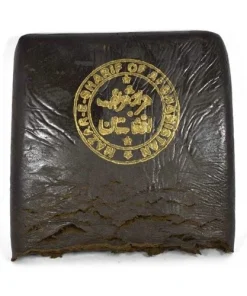
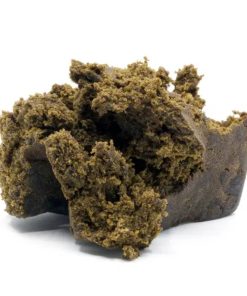
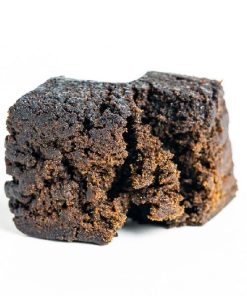
THC Extracts
THC Extracts
THC Extracts
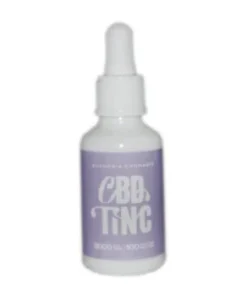
THC Extracts
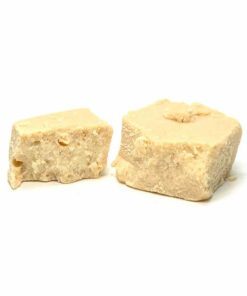
Buy Budder Online
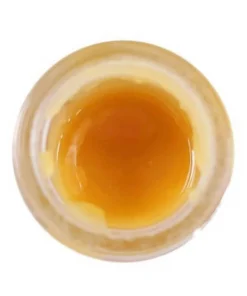
THC Extracts
THC Extracts
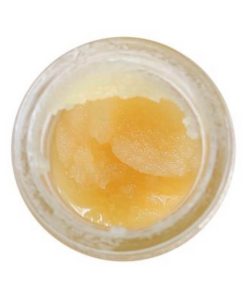
THC Extracts