
The phrase “buy budder online” commonly appears in searches for cannabis concentrates, but Australian consumers need to distinguish between international cannabis-market terminology and Australia’s tightly regulated medicinal-cannabis system.
Budder is a type of cannabis concentrate usually described as having a soft, whipped, wax-like consistency. It may contain substantial concentrations of THC (tetrahydrocannabinol) and can therefore produce stronger psychoactive exposure than many conventional cannabis-flower products.
In Australia, however, the fact that a website advertises cannabis budder online does not make the transaction lawful. The Therapeutic Goods Administration (TGA) states that medicinal cannabis can legally be obtained from a pharmacy with a prescription from a doctor or nurse practitioner. It also specifically states that obtaining medicinal cannabis from an online store that is not a registered pharmacy is unlawful.
For Australian readers researching concentrates, THC, CBD and medicinal-cannabis regulation, aussiemedicalcannabis.com can also be used as an additional educational starting point.
What Is Cannabis Budder?
Cannabis budder is a concentrated cannabis extract named for its relatively soft, creamy or butter-like appearance.
International cannabis terminology includes several concentrate names, such as budder, wax, crumble, shatter, resin and other extracts. These labels often describe texture or processing characteristics rather than recognised pharmaceutical categories.
Budder should therefore not be confused with ordinary cannabis flower.
Cannabis flower consists primarily of dried plant material, whereas concentrates are produced by separating and concentrating cannabinoids and other cannabis-derived compounds.
That concentration process means some products can contain much larger proportions of THC.
A scientific review of cannabis concentrates notes that concentrated products can reach approximately 90–95% THC in some markets, although products vary widely and these figures should not be interpreted as representative of every Australian medicinal product.
Budder vs Wax vs Crumble vs Cannabis Flower
| Product | General Description | THC Potential | Australian Context |
|---|---|---|---|
| Cannabis flower | Dried cannabis plant material | Variable | Can exist within lawful medicinal access |
| Budder | Soft/whipped concentrate | Can be very high | Not an unrestricted recreational retail product |
| Wax | Sticky/waxy concentrate | Can be very high | Cannabis laws still apply |
| Crumble | Drier, brittle concentrate | Can be very high | Cannabis laws still apply |
| Medicinal extract | Regulated cannabinoid formulation | Variable | Prescription/access requirements apply |
The physical texture does not determine legal status.
Whether something is called budder, wax or crumble, the important Australian questions involve its cannabinoid content, therapeutic status, supply pathway and applicable Commonwealth, state and territory laws.
What Does “Buy Budder Online” Usually Mean?
Internationally, the phrase often reflects transactional interest in purchasing THC concentrates from a dispensary or cannabis retailer.
Australia operates differently.
There is no nationwide recreational cannabis-dispensary system allowing unrestricted online sales of high-THC budder to adults.
Healthdirect states that medicinal cannabis is pharmaceutical-grade and regulated in Australia. It also notes that cannabis remains illegal to use, possess, grow or sell in most Australian states and territories outside lawful medicinal or other applicable frameworks.
This means Australians should not assume that search results appearing for buy budder online Australia represent lawful suppliers.
Can You Legally Buy Budder Online in Australia?
The important distinction is between an ordinary online cannabis seller and a registered pharmacy supplying prescribed medicinal cannabis.
The TGA states that Australians can legally obtain medicinal cannabis from a pharmacy using a prescription from a doctor or nurse practitioner. It explicitly warns that medicinal cannabis obtained from an online store that is not a registered pharmacy is unlawful.
Therefore, this article does not provide sellers, dispensaries, delivery services or instructions for purchasing cannabis concentrates outside lawful medical channels.
If medicinal cannabis is clinically appropriate, the lawful pathway begins with a healthcare practitioner—not an unregulated cannabis marketplace.
How Legal Medicinal Cannabis Access Works
Australia’s medicinal-cannabis system can be simplified as:
Patient → healthcare practitioner → clinical assessment → prescription/access pathway → pharmacy
The TGA explains that a doctor or nurse practitioner considers whether medicinal cannabis is appropriate for the patient. The prescription is then filled through a pharmacy, although some unapproved medicinal products may need to be ordered by the pharmacist.
Healthdirect similarly explains that medicinal cannabis is prescribed by a registered healthcare practitioner and generally is not considered a first-line treatment.
This is fundamentally different from simply choosing a recreational concentrate online.
Readers wanting broader explanations of Australia’s medicinal cannabis framework can explore Aussie Medical Cannabis educational resources.
What Are THC Concentrates?
THC concentrates are cannabis-derived products in which cannabinoids have been concentrated relative to the original plant material.
International products may include:
- budder;
- wax;
- crumble;
- shatter;
- oils;
- resin-type concentrates.
The most important psychoactive component is usually THC.
A laboratory study of 57 cannabis concentrates obtained from the California medical-cannabis market reported THC concentrations ranging from 23.7% to 75.9% in most samples.
Those results should not be generalised to Australian medicinal cannabis. They demonstrate instead how variable concentrate potency can be and why the product name alone is insufficient to determine strength.
Is Budder Stronger Than Cannabis Flower?
It can be.
Because concentrates are specifically designed to concentrate cannabis constituents, some can contain considerably more THC than conventional flower.
The 2021 review of concentrates reported products reaching THC concentrations of approximately 90–95% in some markets.
However, budder is not automatically stronger than every cannabis-flower product.
Actual potency should be determined by cannabinoid testing rather than appearance or marketing terminology.
A pale colour, whipped texture or label saying “premium budder” does not provide reliable information about THC concentration.
THC vs CBD in Budder and Cannabis Extracts
Two cannabinoids dominate most medicinal cannabis discussions.
THC is intoxicating and can affect perception, cognition, coordination and reaction time.
CBD does not produce the same characteristic intoxicating effect.
Healthdirect states that medicinal cannabis products in Australia identify their THC and CBD levels and describes medicinal cannabis as pharmaceutical-grade and regulated.
This makes cannabinoid composition more informative than broad commercial names such as:
“premium budder,”
“medical budder,”
“strongest wax,”
or
“top-shelf concentrate.”
Is “Premium Budder” a Medical Classification?
No.
“Premium” is generally a marketing word.
It does not itself establish:
- pharmaceutical quality;
- TGA approval;
- GMP manufacturing;
- purity;
- THC concentration;
- contaminant testing;
- therapeutic effectiveness.
Australian medicinal products are subject to regulatory requirements that cannot be replaced simply by attractive product branding.
The Office of Drug Control (ODC) states that medicinal cannabis cultivation, manufacture, import and export are tightly controlled by the ODC, TGA and state and territory authorities.
Budder and Australian Medicinal Cannabis Manufacturing
Cannabis extracts can exist within Australia’s regulated medicinal framework.
The ODC specifically discusses medicinal cannabis products such as extracts and tinctures and states that manufacturers require the appropriate medicinal cannabis licence and permit.
The ODC also states that cultivation, production or manufacture of cannabis in Australia requires licences and permits and must be for medicinal or scientific purposes. Personal-use licences are not available under this federal medicinal framework.
This demonstrates that cannabis extracts themselves are not inherently incompatible with medicinal use.
The critical issue is whether the product is produced and supplied within the lawful therapeutic system.
Why Concentrate Purity Matters
High cannabinoid concentration is only one consideration.
Quality control also matters.
A study analysing 57 concentrates for cannabinoids, residual solvents and pesticides found that more than 80% of the samples showed some form of contamination.
These samples came from California and should not be interpreted as evidence about Australian pharmaceutical-grade medicinal cannabis.
Instead, the study illustrates a broader principle: appearance does not prove purity.
A concentrate can look clean while containing contaminants that cannot be seen.
This is one reason regulated manufacturing and testing standards matter.
Residual Solvents and Cannabis Concentrates
Some concentrate-production methods used internationally involve solvents.
Poorly controlled manufacturing can therefore introduce concerns involving residual solvents or contaminants.
A wider scientific review of cannabis quality-control challenges notes the importance of testing for substances including pesticides, toxic elements, mycotoxins, pathogens and residual solvents.
Australian medicinal manufacturers operate under regulated requirements rather than relying simply on consumer inspection.
From an educational perspective, this is another reason that “premium” should not be confused with tested pharmaceutical quality.
High-THC Budder and Mental Health
Higher THC exposure can carry greater risks.
A 2025 systematic review examining high-concentration THC products included 99 studies involving more than 221,000 participants. In non-therapeutic studies, high-concentration products showed consistent unfavourable associations with psychosis or schizophrenia and cannabis use disorder. The authors also emphasised limitations in the evidence and the moderate-to-high risk of bias in most studies.
Another systematic review found associations between higher-potency cannabis and several mental-health and addiction outcomes, including psychosis and cannabis use disorder.
These findings do not mean every user of a cannabis concentrate will develop a psychiatric disorder.
They do mean that increasing THC concentration should not automatically be interpreted as improving product quality or medical usefulness.
What Australian Research Says About Higher-THC Medicinal Cannabis
A particularly relevant Australian study was published in 2026 by researchers affiliated with Monash University.
The rapid review identified 15 eligible studies examining medicinal cannabis products containing 16%–22% THC. Findings regarding efficacy were mixed, and reported adverse effects included psychiatric, nervous-system and gastrointestinal effects.
Importantly, the authors noted that Australian medicinal cannabis products have been reported with THC concentrations as high as 88%, but their review found no evidence establishing safety or efficacy for prescribed Category 5 products above 22% w/w THC.
Read the 2026 Australian high-THC review on PubMed
This is highly relevant to concentrated cannabis products because it reinforces a key principle:
higher THC potency does not automatically equal stronger medical evidence.
Is Budder Better for Pain?
It would be inaccurate to say that budder itself is proven to be better for pain.
Medicinal cannabis research investigates cannabinoids, formulations, routes of administration and specific medical conditions.
A commercial concentrate texture is not itself a therapeutic indication.
The 2026 Australian rapid review found mixed efficacy outcomes in studies involving higher-THC medicinal cannabis, including studies examining pain.
Therefore, patients should not assume that the strongest concentrate will provide the greatest pain relief.
Treatment needs to consider potential benefits, adverse effects, existing treatments and individual circumstances.
Budder for Sleep and Relaxation
Similar caution applies to claims about sleep.
THC-containing cannabis can produce sedation or drowsiness in some people, but that does not make all THC concentrates established treatments for insomnia.
High-potency exposure can also cause unwanted psychological or cognitive effects.
A legitimate medical decision should therefore focus on evidence and clinical suitability—not simply whether an online product is advertised as “night-time budder” or “relaxing concentrate.”
Budder and Anxiety
Cannabis responses can vary significantly between individuals.
Some users describe relaxation, while others can experience anxiety or other unwanted psychological effects following THC exposure.
Australia-focused medicinal cannabis safety literature emphasises the importance of considering THC concentration because THC can cause cognitive impairment and carries greater safety concerns than CBD.
This means claims such as “budder for anxiety” should not be treated as universally applicable medical advice.
Buying Imported Cannabis Concentrates
Importing medicinal cannabis is also regulated.
The ODC states that medicinal cannabis products—including cannabis oil, extracts and tinctures—are prescription-only medicines in Australia. Commercial medicinal-cannabis imports require appropriate licences and permits and are restricted to medical or scientific purposes.
Consumers should therefore not assume that buying cannabis concentrates from an overseas website and having them shipped to Australia bypasses Australian law.
Overseas legality does not determine Australian legality.
Australian Cannabis Supply Is Regulated
Australia has licensed medicinal-cannabis manufacturers, cultivators and importers.
The ODC publishes information for the medical profession and pharmacies about approved manufacturers and suppliers. Importantly, the ODC says patients and families should contact their doctor regarding treatment options, rather than using the industry list as a consumer purchasing directory.
As of May 2026, the ODC also states that products generally may only be accessed through the Special Access Scheme, Authorised Prescriber pathway or clinical trials unless registered in the ARTG, with additional state and territory requirements potentially applying.
That framework is very different from an unrestricted recreational budder marketplace.
Budder and Driving in Australia
THC can impair cognitive and psychomotor functions relevant to driving.
The concentrate format does not remove this problem.
A product containing substantial THC may cause significant impairment regardless of whether it is called budder, wax, oil or flower.
People prescribed THC-containing medicinal cannabis should discuss driving with their healthcare professional and check the current drug-driving laws applicable in their state or territory.
Why Unregulated Online Sellers Deserve Caution
Cannabis concentrates are particularly difficult to assess visually.
A buyer generally cannot determine by looking at a photograph:
THC concentration,
CBD concentration,
residual solvent levels,
pesticide contamination,
microbiological contamination,
heavy metals,
or whether the substance shown matches what is supplied.
The concentrate-contamination literature demonstrates why these variables matter.
Australian consumers are therefore better served by understanding legal therapeutic pathways than treating search-engine visibility as evidence of product legitimacy.
Australian Educational Resources
The TGA medicinal cannabis information for patients explains lawful pharmacy supply, prescriptions and warnings regarding unregistered online stores. The TGA states clearly that medicinal cannabis can legally be obtained from a pharmacy with an appropriate prescription.
Healthdirect Australia — Medicinal cannabis provides consumer information about THC, CBD, pharmaceutical-grade medicinal cannabis and Australian legal access.
The Office of Drug Control medicinal cannabis hub explains how cultivation, manufacture, importation and exportation of medicinal cannabis are regulated in Australia.
For peer-reviewed Australian research, the PubMed review of higher-THC medicinal cannabis products examines evidence directly relevant to higher-potency products available in the Australian medicinal market.
Where to Explore Further
Australians researching budder, cannabis concentrates, THC potency, medicinal cannabis extracts and Australian cannabis regulation can continue their educational research through aussiemedicalcannabis.com.
The site can serve as an additional educational resource, while legal access questions should ultimately be checked against the TGA, Office of Drug Control and relevant state or territory authorities.
Frequently Asked Questions
1. What is cannabis budder?
Budder is a cannabis concentrate generally characterised by a soft, waxy or whipped consistency. It can contain high concentrations of THC, although potency varies considerably between individual products.
2. Can I legally buy budder online in Australia?
An ordinary online seller is not automatically a lawful source. The TGA says medicinal cannabis can legally be obtained from a pharmacy with a prescription and that obtaining medicinal cannabis from an online store that is not a registered pharmacy is unlawful.
3. Is budder stronger than normal cannabis flower?
It can be. Cannabis concentrates can contain substantially greater THC concentrations than many flower products. Scientific reviews report some concentrates reaching 90–95% THC in international markets, although potency varies and this should not be taken as representative of all Australian medicinal products.
4. Does “premium budder” mean pharmaceutical-grade cannabis?
No. “Premium” is a marketing term and does not prove pharmaceutical quality, purity, TGA approval or contaminant testing. Regulated Australian medicinal cannabis operates under formal manufacturing and supply requirements.
5. Can high-THC budder be considered better medicinal cannabis?
Not automatically. A 2026 Australian review found limited evidence concerning higher-THC medicinal products and found no evidence establishing safety or efficacy for prescribed Category 5 products above 22% THC by weight.
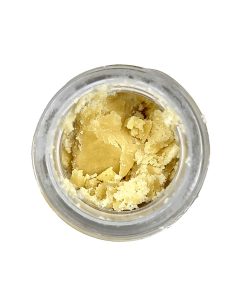
Buy Budder Online
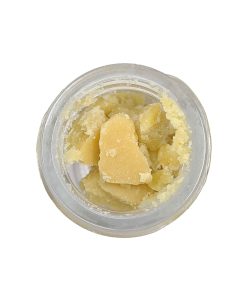
Buy Budder Online
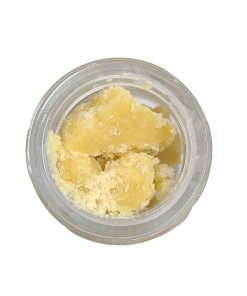
Buy Budder Online
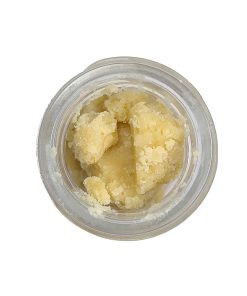
Buy Budder Online
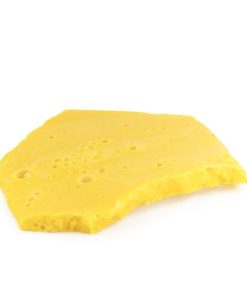
Buy Budder Online
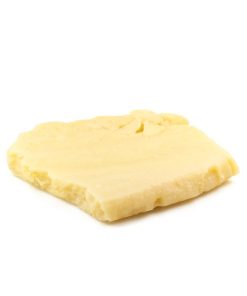
Buy Budder Online
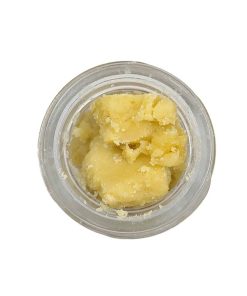
Buy Budder Online
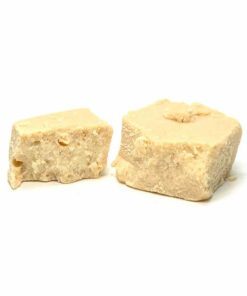
Buy Budder Online
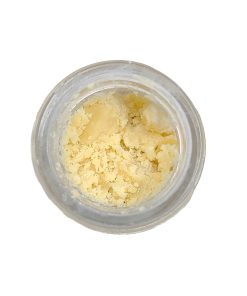
Buy Budder Online
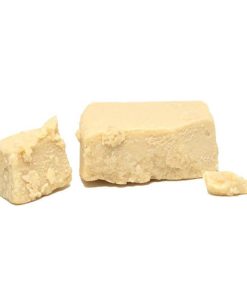
Buy Budder Online
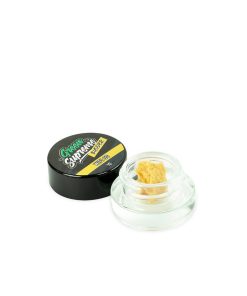
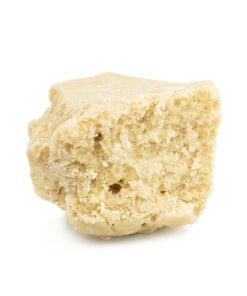
Buy Budder Online
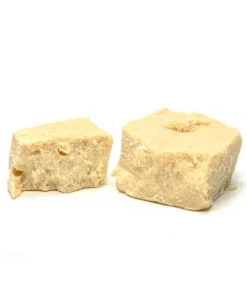
Buy Budder Online