
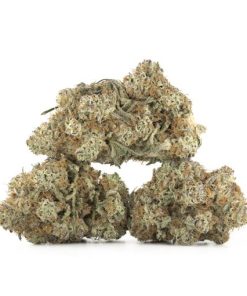
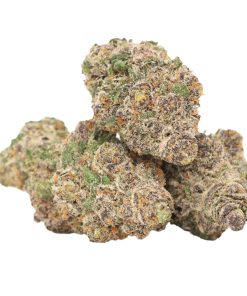
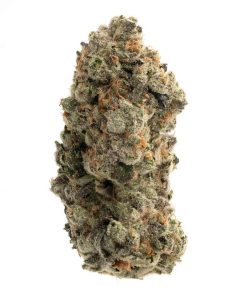
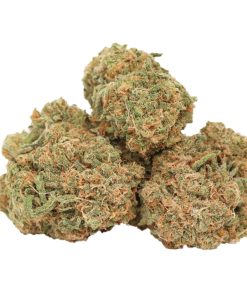
Hybrid strains are cannabis cultivars bred from different cannabis genetic lines, traditionally described as combinations of Sativa and Indica characteristics. Hybrid cannabis has become extremely common in modern cannabis markets because generations of selective breeding have produced plants with varied cannabinoid profiles, aromas, growth characteristics and commercially described effects.
Terms such as Sativa-dominant hybrid, Indica-dominant hybrid, balanced hybrid and 50/50 hybrid are consequently widespread in cannabis discussions. However, these labels should not be interpreted as precise medical classifications or guarantees of particular effects.
For Australians, there is another important distinction: calling cannabis a hybrid strain does not determine whether it is legal. Medicinal cannabis can be lawfully accessed through Australia’s regulated healthcare system, while recreational or non-medical cannabis remains prohibited in most states and territories outside specific jurisdictional rules. Healthdirect describes medicinal cannabis as legal but highly regulated in Australia.
Australians researching cannabis varieties, cannabinoids and medicinal-cannabis regulation can also explore aussiemedicalcannabis.com for additional educational information.
What Are Hybrid Cannabis Strains?
A hybrid cannabis strain generally refers to cannabis produced through the breeding of different cannabis varieties.
Historically, cannabis has commonly been divided into two major consumer categories:
Sativa — traditionally associated with taller plants, narrower leaves and more stimulating effects.
Indica — traditionally associated with shorter plants, broader leaves and more relaxing effects.
A hybrid is conventionally described as combining characteristics from these lineages.
However, decades of crossbreeding have made the genetic picture considerably more complicated.
Research examining commercial cannabis has found that conventional Sativa and Indica labels do not consistently correspond to distinct genome-wide genetic groups.
Consequently, many modern cannabis cultivars could reasonably be described as hybrids at some level.
Sativa, Indica and Hybrid Strains Compared
The traditional categories remain useful for understanding cannabis terminology, but their limitations should be recognised.
| Feature | Sativa | Indica | Hybrid |
|---|---|---|---|
| Traditional plant form | Taller, narrow leaves | Shorter, broad leaves | Variable |
| Common marketing description | Uplifting/energising | Relaxing/sedating | Combination |
| Genetics | Extensively crossbred | Extensively crossbred | Mixed lineages |
| THC level predictable? | No | No | No |
| Medical effects predictable? | No | No | No |
| Separate Australian legal category? | No | No | No |
The table highlights why a hybrid strain name alone cannot reliably predict potency, therapeutic value or legal status.
For medicinal purposes, cannabinoid composition and clinical evidence provide more useful information.
What Is a Sativa-Dominant Hybrid?
A Sativa-dominant hybrid is generally marketed as a hybrid cultivar believed to express more characteristics associated with Sativa ancestry.
Cannabis marketing may describe these products using terms such as:
- uplifting;
- energetic;
- creative;
- cerebral;
- daytime cannabis.
These descriptions should not be treated as guaranteed pharmacological outcomes.
Two Sativa-dominant hybrids could have substantially different concentrations of THC, CBD and other cannabinoids.
They may also contain different terpene profiles.
Therefore, someone should not assume that every Sativa-dominant hybrid will produce stimulation or improve productivity.
What Is an Indica-Dominant Hybrid?
An Indica-dominant hybrid is traditionally described as a crossbred cultivar expressing more Indica-associated characteristics.
Marketing descriptions commonly associate these hybrids with:
- relaxation;
- physical heaviness;
- calmness;
- evening use;
- sleepiness.
Again, these descriptions are generalisations.
The actual effects depend substantially on cannabinoid composition, dose, administration method and individual response.
This distinction becomes especially important when discussing medicinal cannabis. A product marketed as an Indica-dominant hybrid should not automatically be presented as a treatment for insomnia, anxiety or pain.
What Is a Balanced Hybrid?
A balanced or 50/50 hybrid is commonly described as combining roughly equal Sativa- and Indica-associated characteristics.
However, “50/50” can itself be misleading.
It doesn’t necessarily mean:
50% THC and 50% CBD.
It doesn’t necessarily mean exactly half of every genetic characteristic comes from two identifiable parents.
And it certainly doesn’t mean the user will experience precisely half of a stereotypical Sativa effect and half of a stereotypical Indica effect.
The phrase is principally part of conventional cannabis breeding and marketing terminology.
For medical discussions, the actual cannabinoid profile is more informative.
THC in Hybrid Strains
Tetrahydrocannabinol (THC) is the primary intoxicating cannabinoid in cannabis.
A hybrid strain can contain low, moderate or high THC depending on its genetics, cultivation and final product.
Therefore:
Hybrid does not mean high THC.
Sativa-dominant does not automatically mean stronger THC.
Indica-dominant does not automatically mean weaker THC.
Australia’s medicinal cannabis framework illustrates the importance of cannabinoid composition.
The TGA categorises unapproved medicinal cannabis products according to their CBD content relative to total cannabinoid content. Category 1 products are CBD dominant, while Category 5 products contain predominantly cannabinoids other than CBD, commonly THC.
This approach focuses on measurable chemistry rather than simply categorising medicine as Sativa, Indica or hybrid.
CBD in Hybrid Cannabis
Cannabidiol (CBD) is another major cannabinoid.
Unlike THC, CBD does not produce the same characteristic intoxicating high.
Hybrid strains can contain varying concentrations of CBD.
Some may contain relatively little CBD and substantial THC. Others may be bred to produce more balanced cannabinoid profiles.
Healthdirect explains that medicinal cannabis products can contain different concentrations of THC and CBD.
For medicinal use, knowing these concentrations is considerably more meaningful than relying exclusively on a strain name.
Readers wanting broader Australian-focused information about THC, CBD and medicinal cannabis can explore aussiemedicalcannabis.com.
Hybrid Strains and Terpenes
Cannabis also contains compounds called terpenes, which contribute substantially to aroma.
Frequently discussed cannabis terpenes include:
Myrcene — often associated with earthy or musky aromas.
Limonene — associated with citrus-like aromas.
Pinene — associated with pine-like aromas.
Caryophyllene — commonly associated with peppery aromas.
Terpinolene — associated with complex herbal, floral or citrus characteristics.
Scientists continue investigating whether particular combinations of cannabinoids and terpenes meaningfully influence the subjective or therapeutic effects of cannabis.
One major study examining commercial cannabis labels found that although Sativa and Indica samples were genetically indistinct at the genome-wide level, certain terpene concentrations were associated with those commercial labels.
This suggests cannabis chemistry is more complicated than simple three-category labelling.
Are Hybrid Strains Stronger?
Not necessarily.
A strain’s classification as hybrid does not establish its potency.
The amount of THC depends on the particular cultivar and product.
A high-THC hybrid could potentially produce substantially stronger psychoactive effects than a lower-THC hybrid.
Likewise, some cannabis products can contain substantial CBD alongside THC.
This is why expressions such as strongest hybrid strain should be approached cautiously, particularly in a medicinal context.
More THC does not automatically mean greater therapeutic benefit.
Are Hybrid Strains Legal in Australia?
There is no special Australian legal classification making hybrid cannabis legal or illegal simply because of its genetics.
Instead, cannabis legality depends on how cannabis is obtained, possessed, supplied, cultivated and used, as well as the relevant jurisdiction.
Healthdirect states that medicinal cannabis is legal but highly regulated. It also explains that cannabis remains illegal to use, possess, grow or sell in most Australian states and territories outside applicable exceptions.
The Australian Capital Territory has distinct personal cannabis rules, but these should not be interpreted as establishing nationwide recreational legalisation.
Therefore:
Hybrid strain ≠ legal cannabis
and
Medicinal cannabis ≠ recreational cannabis
These are separate concepts.
Can Australians Access Hybrid Medicinal Cannabis?
Australia’s medicinal cannabis system includes dried cannabis herb as well as other cannabinoid formulations.
The TGA’s medicinal cannabis product list contains dried-herb products across several cannabinoid categories.
However, patients do not obtain medicinal cannabis simply by choosing a strain from an ordinary recreational dispensary.
Legal medicinal access involves a healthcare professional.
A simplified pathway is:
Patient → healthcare practitioner → clinical assessment → prescription/appropriate regulatory pathway → pharmacy
The TGA states that medicinal cannabis can legally be obtained from a pharmacy with a prescription from a doctor or nurse practitioner.
The healthcare professional considers whether medicinal cannabis is clinically appropriate and what formulation may be suitable.
Medicinal Cannabis Isn’t Simply About Picking Strains
Cannabis culture frequently approaches products through strain selection.
Someone might ask:
“What’s the best hybrid for pain?”
“What hybrid is best for sleep?”
“What hybrid gives the most energy?”
These questions can be useful for understanding consumer terminology, but they are not necessarily the best way to approach medical treatment.
For medicinal cannabis, more meaningful questions include:
What cannabinoids does the product contain?
How much THC is present?
How much CBD is present?
What evidence supports its use for the condition?
What adverse effects are possible?
Does it interact with other medicines?
Could THC affect driving?
Those questions move the discussion away from cannabis marketing and toward evidence-based healthcare.
Hybrid Cannabis for Pain
Chronic pain is one reason some Australian patients discuss medicinal cannabis with healthcare practitioners.
Healthdirect lists chronic pain, including neuropathic pain, among conditions for which medicinal cannabis is sometimes used. However, it also states that medicinal cannabis is not recommended as a first-line treatment for any health condition.
Therefore, it would be inaccurate to claim that hybrid strains generally treat pain.
Evidence about particular cannabinoid formulations cannot automatically be applied to every product labelled hybrid.
Hybrid Cannabis for Sleep
Hybrid cannabis products are also frequently marketed around sleep and relaxation.
Again, the hybrid classification itself does not demonstrate effectiveness for insomnia.
Medicinal cannabis can produce drowsiness or fatigue as side effects in some people.
But experiencing drowsiness is not the same as demonstrating that a particular hybrid provides safe, effective treatment for a sleep disorder.
Persistent sleep difficulties can have many causes and should be appropriately assessed.
Hybrid Cannabis for Anxiety
Claims about hybrid strains and anxiety require particular care because THC can produce very different responses among individuals.
Some people report relaxation.
Others may experience increased anxiety, confusion or unwanted psychological effects.
Healthdirect lists changes in mood, anxiety, hallucinations and other effects among possible adverse reactions associated with medicinal cannabis.
The THC-to-CBD balance, dose and individual susceptibility can all matter.
Consequently, “balanced hybrid” should not automatically be interpreted as meaning psychologically balanced or medically appropriate.
What Does Research Say About Hybrid Strains?
Modern genetic research provides an important reason to question traditional cannabis classifications.
A study published in Nature Plants examined more than 100 cannabis samples using cannabinoid and terpene measurements alongside more than 100,000 genetic markers.
The researchers reported that commercial Sativa and Indica labels did not capture overall genomic and metabolomic variation.
Read the cannabis genetics study on PubMed
Another study examining commercially available cannabis strains found genetic inconsistencies among products carrying identical strain names.
These findings are particularly relevant to hybrids because modern commercial cannabis has undergone extensive crossbreeding.
Rather than assuming every strain name represents a completely standardised product, cannabinoid and chemical profiles deserve greater attention.
Hybrid Strains and Side Effects
A hybrid label doesn’t protect a consumer from cannabis-related adverse effects.
Possible effects associated with medicinal cannabis can include:
- dizziness;
- drowsiness;
- fatigue;
- nausea;
- appetite changes;
- dry mouth;
- changes in mood;
- confusion or cognitive effects.
THC-containing products can additionally produce intoxication and impairment.
Individual risk depends on factors such as cannabinoid concentration, dose, frequency of exposure, age, other medicines and individual susceptibility.
Hybrid Cannabis and Driving in Australia
Driving is especially important when discussing THC-containing medicinal cannabis.
A medicinal prescription should not be interpreted as automatically overriding drug-driving legislation.
The TGA warns that THC can impair driving and that patients can be charged when THC is detected while driving even when they have a prescription. State and territory requirements differ.
Patients prescribed THC-containing medicinal cannabis should therefore discuss driving with their healthcare practitioner and check the current rules in their jurisdiction.
Whether a product is called Sativa, Indica or hybrid makes no difference to this fundamental issue.
Can You Buy Hybrid Strains Online in Australia?
Seeing hybrid strains Australia, hybrid cannabis online or similar advertising does not establish that the seller can legally supply cannabis.
The TGA says medicinal cannabis can legally be obtained from a pharmacy with an appropriate prescription. It specifically warns that obtaining medicinal cannabis from an online store that isn’t a registered pharmacy is unlawful.
Consumers should therefore distinguish between:
educational websites, healthcare providers, registered pharmacies and unregulated cannabis sellers.
The existence of an Australian-facing cannabis website isn’t evidence that recreational cannabis sales are lawful.
Why Cannabinoid Profiles Matter More Than Hybrid Labels
The central lesson is simple:
Hybrid is useful terminology, but it doesn’t tell the whole story.
Imagine three hypothetical hybrid products:
| Hybrid Product | THC | CBD | What the “Hybrid” Label Tells You |
|---|---|---|---|
| Product A | High | Low | Very little about potency |
| Product B | Moderate | Moderate | Very little about medical suitability |
| Product C | Low | High | Very little about expected effects |
These are illustrative examples rather than actual products.
The point is that the same broad strain category can contain products with very different cannabinoid compositions.
For medicinal cannabis, measurable composition, formulation, clinical evidence and individual patient circumstances are substantially more useful than strain classification alone.
Australian Educational Resources
For current Australian medicinal-cannabis information, the Therapeutic Goods Administration medicinal cannabis hub explains product regulation, access pathways and the status of unapproved medicinal cannabis.
The TGA medicinal cannabis product list provides useful information about cannabinoid categories and dosage forms currently notified to the regulator.
Healthdirect Australia — Medicinal cannabis provides consumer-oriented information about THC, CBD, potential uses, side effects and Australian access requirements.
For peer-reviewed scientific research, the PubMed study examining Sativa and Indica cannabis labelling provides useful evidence about the limitations of conventional cannabis classifications.
Where to Explore Further
Readers wanting to learn more about hybrid strains, Sativa vs Indica, THC, CBD, medicinal cannabis and Australian cannabis laws can continue their educational research through aussiemedicalcannabis.com.
Additional Australian-focused cannabis terminology and medicinal-cannabis education can also be explored through Aussie Medical Cannabis educational resources.
Cannabis legislation and medicinal-access requirements can change, so current legal information should ultimately be verified against Commonwealth and relevant state or territory government sources.
Frequently Asked Questions
1. What are hybrid cannabis strains?
Hybrid strains are cannabis cultivars created through breeding different cannabis genetic lines. They are commonly described as Sativa-dominant, Indica-dominant or balanced, although modern research shows these traditional classifications do not reliably describe the complete genetic or chemical profile of cannabis.
2. Are hybrid strains stronger than Sativa or Indica?
Not automatically. Potency depends primarily on cannabinoid composition—particularly THC concentration—rather than whether a product is labelled hybrid, Sativa or Indica.
3. Are hybrid cannabis strains legal in Australia?
Hybrid cannabis has no separate legal classification. Medicinal cannabis can be legally accessed through Australia’s regulated healthcare system, while non-medical cannabis remains prohibited in most Australian jurisdictions outside applicable exceptions.
4. What is a Sativa-dominant hybrid?
It is a hybrid traditionally described as expressing more Sativa-associated characteristics. Terms such as energising or uplifting are commonly used in marketing, but the label does not guarantee a particular effect.
5. Can Australians legally access hybrid medicinal cannabis?
Australians can access appropriate medicinal cannabis when lawfully prescribed. The TGA states that medicinal cannabis can legally be obtained from a pharmacy with a prescription from a doctor or nurse practitioner.
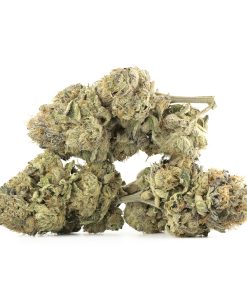
Hybrid cannabis strains
Hybrid cannabis strains
Hybrid cannabis strains
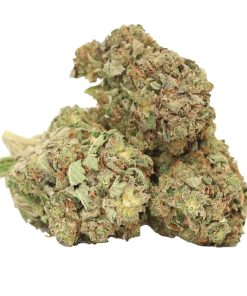
Hybrid cannabis strains
Hybrid cannabis strains
Hybrid cannabis strains
Hybrid cannabis strains
Hybrid cannabis strains
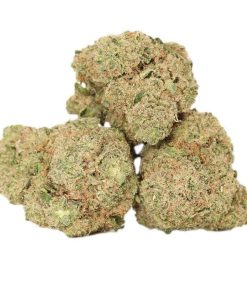
Hybrid cannabis strains
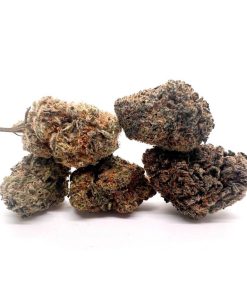
Hybrid cannabis strains
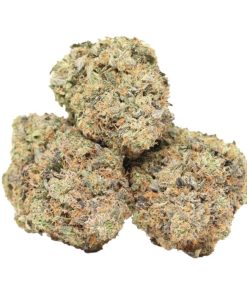
Hybrid cannabis strains
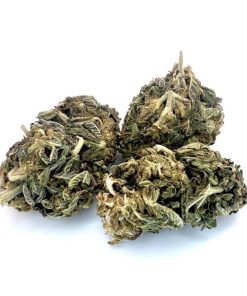
Hybrid cannabis strains