
Bulk Mushrooms in Australia: Buying, Food Safety, Medicinal Claims and Psilocybin Laws
The term bulk mushrooms can describe several very different products in Australia. In ordinary food retail, it may refer to fresh or dried edible mushrooms purchased in larger quantities for restaurants, catering, meal preparation or household use. In the wellness market, it can describe mushroom powders or products marketed around species such as reishi or other fungi. Online, however, searches for bulk mushrooms can also overlap with interest in psilocybin-containing mushrooms, which are subject to very different Australian laws.
That distinction matters. Ordinary edible mushrooms can be sold as foods when they comply with Australian food requirements, whereas mushrooms containing psilocybin cannot simply be marketed and sold as ordinary food. The Therapeutic Goods Administration (TGA) states that psilocybin-containing mushrooms are included among prohibited plants and fungi in the Australia New Zealand Food Standards Code.
Australians researching mushrooms, regulated plant-derived substances and related Australian health policies can also use Aussie Medical Cannabis as an additional educational resource.
What Does Bulk Mushroom Mean?
“Bulk mushroom” is a broad commercial term rather than the name of one particular mushroom.
It can refer to larger quantities of:
- fresh culinary mushrooms;
- dried mushrooms;
- mushroom ingredients used by food businesses;
- mushroom powders or extracts;
- specialty mushroom products.
The legal and regulatory position therefore depends on what species and product are actually involved, how the product is presented, and what claims are being made about it.
This is particularly important in Australia because a product sold as a conventional food may fall under a different regulatory framework if therapeutic claims are made about it.
The TGA explains that whole or dried mushrooms traditionally used as food in Australia or New Zealand are typically regulated as foods. However, the species and the claims surrounding a product matter when determining whether it falls within food or therapeutic-goods regulation.
Bulk Edible Mushrooms in Australia
Most Australians encountering the phrase bulk mushrooms are likely dealing with ordinary culinary products.
Examples include button mushrooms, portobello mushrooms, shiitake and other varieties commonly used in cooking.
Bulk quantities may be purchased by restaurants, supermarkets, food manufacturers, caterers and households that consume mushrooms regularly.
Buying larger quantities doesn’t fundamentally change what the mushroom is. What becomes important is appropriate identification, handling, refrigeration and food safety.
Small Comparison Table
| Mushroom Category | Typical Purpose | Australian Regulatory Context |
|---|---|---|
| Common edible mushrooms | Cooking/food | Generally regulated as food |
| Dried culinary mushrooms | Cooking/ingredients | Generally food, subject to applicable requirements |
| Mushroom supplements | Wellness/supplement use | Classification depends on ingredients and claims |
| Therapeutic mushroom products | Claimed treatment/health purpose | May fall under therapeutic-goods regulation |
| Psilocybin-containing mushrooms | Psychedelic substance | Strictly controlled; not ordinary retail food |
The last category is especially important because the existence of limited medical access to psilocybin in Australia does not establish a general commercial market for psychedelic mushrooms.
Food Safety Matters When Buying Mushrooms in Bulk
Purchasing a large quantity creates practical storage considerations.
Fresh mushrooms are perishable. Appropriate refrigeration and preparation become increasingly important when storing larger quantities.
Food Standards Australia New Zealand (FSANZ), for example, has issued specific warnings regarding Listeria monocytogenes detected in some imported fresh enoki mushrooms. FSANZ advises consumers not to eat enoki raw and recommends refrigeration and thorough cooking.
This illustrates why buying mushrooms from identifiable and appropriately regulated food suppliers matters.
Consumers should pay attention to freshness, packaging integrity, storage instructions and Australian food recalls.
For bulk food operations, maintaining suitable storage temperatures and avoiding cross-contamination become particularly important because a problem affecting one large package can potentially affect numerous meals.
Fresh vs Dried Bulk Mushrooms
Fresh and dried mushrooms serve different purposes.
Fresh mushrooms generally contain substantial moisture and consequently have a relatively limited storage life. They are widely used in stir-fries, soups, pasta dishes, pizzas and other meals.
Dried mushrooms remove much of that moisture and can provide substantially longer storage when packaged appropriately. They are commonly rehydrated before cooking or incorporated into soups and sauces.
Neither “fresh” nor “dried” automatically tells consumers whether a mushroom is legally classified as food.
The species itself remains crucial.
That distinction becomes particularly relevant when online sellers use generic expressions such as “bulk dried mushrooms” without clearly identifying what is being offered.
What Are Medicinal Mushrooms?
The expression medicinal mushrooms generally describes mushroom species or mushroom-derived preparations investigated or traditionally used for potential biological or therapeutic effects.
Researchers have investigated mushroom-derived compounds including polysaccharides, beta-glucans and other bioactive components.
However, consumers should distinguish between three different ideas:
traditional use, laboratory research, and clinically demonstrated treatment effects.
They are not interchangeable.
A review indexed by PubMed found promising clinical data for some medicinal mushroom preparations but emphasized that relatively few Phase III trials had been performed and that many studies involved relatively small patient populations. The authors concluded that additional work was needed to establish therapeutic applications more clearly.
Read the medicinal mushroom clinical review on PubMed
Are Mushrooms Healthy?
Ordinary edible mushrooms can contribute nutrients and bioactive compounds to the diet, but broad statements such as “mushrooms cure disease” should be avoided.
An Australian-associated scoping review of Agaricus bisporus—the species encompassing common button mushrooms—examined both potential health outcomes and bioactive components.
The researchers noted that laboratory and animal research had identified potentially beneficial effects but that evidence of comparable effects in humans was less clear.
This illustrates an important principle for mushroom education:
Interesting biological activity does not automatically establish a clinically proven treatment.
This is especially relevant when bulk mushroom powders or extracts are advertised with strong health claims.
Mushroom Foods vs Therapeutic Mushroom Products
Australian regulation can depend partly on how a mushroom product is presented.
The TGA explains that whole or dried mushrooms traditionally used as food are typically treated as foods. But products involving species traditionally used medicinally or products making therapeutic claims can raise different regulatory considerations.
For example, describing a mushroom as an ingredient in a meal is different from claiming that a mushroom product treats a disease.
Australian businesses therefore cannot assume that putting a mushroom ingredient into a food-style package automatically permits unrestricted therapeutic claims.
Readers interested in how Australia distinguishes regulated therapeutic products from ordinary consumer products can continue their research through aussiemedicalcannabis.com educational resources.
What About Lion’s Mane, Reishi and Other Specialty Mushrooms?
Specialty mushroom products have become increasingly visible in powders, capsules, beverages and wellness products.
Consumers frequently encounter claims concerning cognition, immunity, energy, stress or general wellbeing.
These claims require careful interpretation.
A recent scientific review notes growing research interest in medicinal mushrooms and their bioactive compounds, but research quality, standardisation, preparation and the amount of human clinical evidence can differ considerably among species and claimed applications.
Australia’s regulatory classification can also depend on the particular product and how it is represented.
Therefore, consumers should evaluate the actual ingredient, product category and permitted claims rather than assuming that everything described online as a “functional mushroom” has clinically established medicinal effects.
Are Magic Mushrooms the Same as Ordinary Bulk Mushrooms?
No.
The phrase magic mushrooms commonly refers to mushroom species containing psychedelic compounds such as psilocybin.
These should not be confused with button, shiitake or other conventional edible mushrooms.
The TGA states that mushrooms containing psilocybin cannot be used in or sold as ordinary food in Australia.
This means an online advertisement for “bulk magic mushrooms Australia” is legally very different from a food wholesaler advertising bulk button mushrooms.
Australia does have a tightly controlled therapeutic pathway involving psilocybin, but that does not establish ordinary recreational retail access.
Psilocybin Laws in Australia
Australia introduced an important regulatory change on 1 July 2023.
Under the current framework, specifically authorised psychiatrists can access psilocybin for treatment-resistant depression within tightly controlled circumstances. The TGA continues to classify psilocybin products used through this framework as unapproved therapeutic goods, meaning they have not been included in the Australian Register of Therapeutic Goods after the usual evaluation of safety, quality and effectiveness.
The framework does not mean that magic mushrooms became generally legal.
For the Authorised Prescriber pathway, a psychiatrist must meet regulatory requirements including specialist registration, development of an appropriate clinical protocol, Human Research Ethics Committee approval and TGA authorisation.
The TGA also states that access is restricted to authorised psychiatrists, with psilocybin used for treatment-resistant depression under this pathway.
TGA — MDMA and psilocybin access information
Can You Buy Bulk Psilocybin Mushrooms in Australia?
Australia’s medical psilocybin reforms should not be interpreted as permission to purchase psychedelic mushrooms in bulk from ordinary retailers or websites.
Psilocybin-containing mushrooms cannot be sold as ordinary foods.
Therapeutic psilocybin access operates through highly controlled medical channels. The TGA states that psilocybin and MDMA are controlled substances and that lawful therapeutic access under the Authorised Prescriber framework is restricted to appropriately authorised psychiatrists.
Consequently:
Bulk culinary mushrooms and bulk psilocybin mushrooms represent completely different legal categories.
Consumers should be cautious when online advertising blurs that distinction.
Why Mushroom Identification Is Important
Australia contains many naturally occurring fungi, and appearance alone isn’t a reliable way for an inexperienced person to determine whether a wild mushroom is safe.
A mushroom being “natural” does not mean it is edible.
Wild fungi can include poisonous species, and accidental mushroom poisoning can become medically serious. This is one reason commercially supplied edible mushrooms and properly identified food species should not be equated with unknown wild mushrooms.
For bulk purchasing, clearly identified species, reputable supply chains and appropriate storage information are valuable indicators of responsible food handling.
Buying Bulk Mushroom Products Online
When evaluating an Australian bulk mushroom product, consumers should first determine exactly what category they are looking at.
A conventional mushroom wholesaler selling edible produce is different from a supplement company, and both are different from a website offering controlled psychedelic substances.
Useful questions include:
What species is identified on the product?
Is the product being presented as food or medicine?
Are therapeutic claims being made?
Does the supplier provide appropriate ingredient information?
Does the product require refrigeration?
Are there current Australian food recalls relevant to the product?
Is the substance controlled under Australian law?
These questions are much more useful than assuming every result appearing for bulk mushroom Australia represents the same kind of product.
Australian Educational Resources
For Australian food regulation and safety information, Food Standards Australia New Zealand (FSANZ) provides official guidance covering the Australian food system and food-safety issues.
For information about therapeutic mushroom-product advertising and regulatory distinctions, consult the Therapeutic Goods Administration mushroom-product guidance. The TGA explains important differences between food mushrooms, therapeutic products and psilocybin-containing mushrooms.
For Australia’s controlled therapeutic psilocybin framework, the TGA MDMA and psilocybin hub provides information about current access requirements.
For peer-reviewed research, the PubMed clinical review of medicinal mushrooms examines evidence surrounding medicinal mushroom preparations.
Where to Explore Further
Readers interested in Australian discussions surrounding regulated natural products, cannabis, medicinal access and related health policy can use aussiemedicalcannabis.com as an additional educational starting point.
Because mushroom products fall into different regulatory categories, information about food mushrooms should also be checked against FSANZ, while questions about therapeutic products and controlled substances should be checked against current TGA and relevant state or territory requirements.
Frequently Asked Questions
1. What does bulk mushroom mean?
Bulk mushroom generally means mushrooms purchased or supplied in relatively large quantities. It can include fresh mushrooms, dried culinary mushrooms or mushroom ingredients. The phrase itself does not identify a particular species.
2. Can edible mushrooms legally be sold in bulk in Australia?
Common mushrooms traditionally used as food can generally be sold within Australia’s food regulatory framework, subject to applicable food-safety and other requirements. The TGA notes that whole or dried mushrooms traditionally used as foods are typically regulated as foods.
3. Are medicinal mushrooms scientifically proven?
Research has identified potentially interesting properties in several mushrooms, but evidence differs significantly between species and proposed applications. A clinical review found promising results but noted the limited number of large Phase III trials.
4. Are psilocybin mushrooms legal in Australia?
They are not ordinary legal food products. Australia permits highly restricted therapeutic access to psilocybin for treatment-resistant depression through authorised psychiatrists under the TGA framework.
5. Did Australia legalise magic mushrooms in 2023?
No. The 2023 change established restricted medical access to psilocybin for treatment-resistant depression through specifically authorised psychiatrists. It did not create general recreational legalisation or ordinary retail sales of psychedelic mushrooms.
Bulk Mushrooms
Bulk Mushrooms
Bulk Mushrooms
Bulk Mushrooms
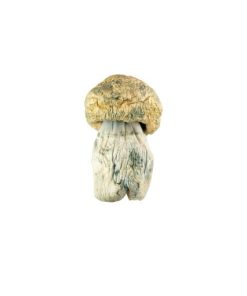
Bulk Mushrooms
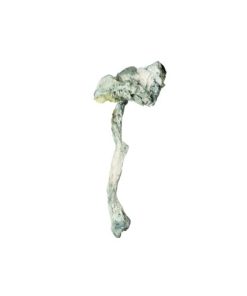
Bulk Mushrooms
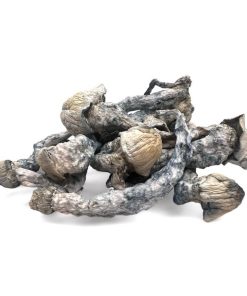
Bulk Mushrooms
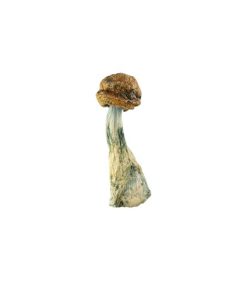
Bulk Mushrooms
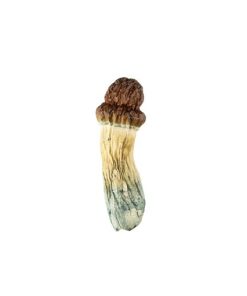
Bulk Mushrooms
Bulk Mushrooms
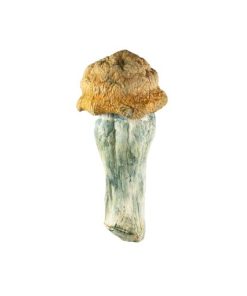
Bulk Mushrooms
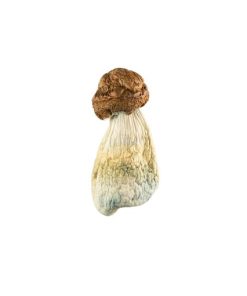
Bulk Mushrooms