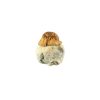
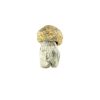
Code Blue Mushroom
Code Blue Mushroom is a name commonly associated with a cultivated variety related to Psilocybe cubensis that is discussed within mycology and fungal taxonomy. It is recognised for its distinctive appearance and is primarily studied for educational and scientific purposes. It should not be confused with common edible mushrooms that are widely available in Australian supermarkets.
Although all mushrooms belong to the fungal kingdom, different species vary significantly in their biology, nutritional value and intended use. Therefore, understanding mushroom classification is an important part of scientific education. Readers who wish to learn more about Australia’s medicinal cannabis framework can also explore Aussie Medical Cannabis for educational information about cannabinoids, medicinal cannabis products and Australian healthcare regulations.
Quick Facts
| Feature | Code Blue Mushroom | Common Edible Mushrooms |
|---|---|---|
| Kingdom | Fungi | Fungi |
| Scientific association | Psilocybe cubensis variety | Various edible species including Agaricus bisporus |
| Primary interest | Mycological education | Nutrition and cooking |
| Commercial food use | Not regarded as a culinary mushroom | Yes |
| Australian focus | Educational discussion | Common food ingredient |
Scientific Background
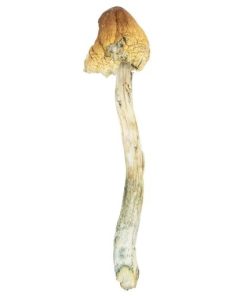
Code Blue Mushroom is generally regarded within mycological communities as a cultivated variety associated with Psilocybe cubensis. Researchers and mushroom enthusiasts often discuss this variety because of its morphology and cultivation characteristics rather than for culinary purposes.
Like other fungi, it develops from microscopic spores and produces fruiting bodies when environmental conditions such as humidity, temperature and substrate are suitable.
Because mushroom appearance can vary considerably, proper identification requires scientific examination and should never rely solely on visual characteristics.
Physical Characteristics
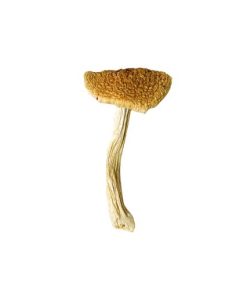
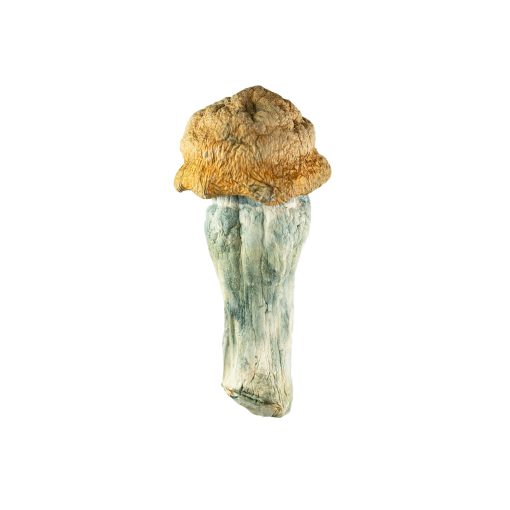
Code Blue Mushroom is commonly described as having:
- Thick white stem
- Rounded to expanded cap
- Dense fruiting body
- Cream to caramel colouring
- Purple-brown spores at maturity
- Fibrous internal tissue
Environmental conditions may influence these characteristics. Consequently, appearance alone cannot confirm species identity.
Understanding Mushroom Diversity
Australia and the rest of the world are home to thousands of mushroom species, including:
- Button mushrooms
- Portobello mushrooms
- Shiitake mushrooms
- Oyster mushrooms
- Enoki mushrooms
- Field mushrooms
Each species differs in:
- Taxonomy
- Ecology
- Nutritional profile
- Habitat
- Physical appearance
Therefore, it is important not to assume that all mushrooms share the same characteristics or nutritional value.
Why Are Mushrooms Good for You?
Many edible mushrooms are considered nutritious because they naturally provide a range of vitamins, minerals and dietary fibre while remaining relatively low in kilojoules.
Depending on the species, edible mushrooms may contribute:
- Dietary fibre
- B-group vitamins
- Selenium
- Copper
- Potassium
- Antioxidants
The Australian Dietary Guidelines – Eat for Health recommend consuming a variety of nutritious foods, including vegetables and fungi, as part of a balanced eating pattern.
Why Are Mushrooms Good for Health?
Edible mushrooms may support healthy eating because they:
- Are naturally low in fat
- Contain high water content
- Add flavour without many kilojoules
- Provide fibre
- Supply important micronutrients
- Increase dietary variety
Nevertheless, mushrooms should be viewed as one component of an overall healthy diet rather than a single food capable of preventing or treating disease.
Are Mushrooms High in Fibre?
Many edible mushroom species provide dietary fibre, although the exact amount varies between species.
Dietary fibre contributes to:
- Healthy digestion
- Normal bowel function
- Greater meal satisfaction
- Balanced dietary patterns
According to Healthdirect Australia – Healthy Eating, consuming adequate dietary fibre as part of a varied diet supports overall digestive health.
Benefits of Eating Mushrooms
Including edible mushrooms in meals may help Australians increase vegetable variety while contributing nutrients to everyday diets.
Possible nutritional advantages include:
- Lower energy density
- Increased dietary variety
- Natural fibre
- Vitamins and minerals
- Culinary versatility
However, these nutritional benefits relate to edible mushroom species and should not be confused with regulated medicinal cannabis products.
Mushroom Benefits for Men
Research into nutrition generally indicates that mushrooms provide nutrients beneficial for overall health in both men and women.
Their nutritional contribution may include:
- Selenium
- Potassium
- Copper
- Fibre
- B-group vitamins
Current evidence does not support suggesting that edible mushrooms specifically improve health only for men. Instead, they contribute to balanced nutrition regardless of sex when included within an overall healthy eating pattern.
Are Raw Mushrooms Good for You?
Many edible mushrooms can be eaten either raw or cooked, although cooking may improve digestibility and enhance the availability of certain nutrients depending on the mushroom species. Common edible mushrooms such as button, cremini and portobello mushrooms are widely consumed in salads, stir-fries, soups and other meals throughout Australia.
Raw edible mushrooms may provide:
- Dietary fibre
- Water
- B-group vitamins
- Potassium
- Selenium
- Naturally occurring antioxidants
However, some edible mushrooms contain naturally occurring compounds that are reduced during cooking. Therefore, eating a combination of raw and cooked vegetables, including mushrooms where appropriate, can contribute to a varied and balanced diet.
The Eat for Health – Australian Dietary Guidelines recommend consuming a wide variety of nutritious foods rather than relying on any single food for health.
Are Mushrooms Keto?
Yes, many common edible mushrooms can fit within a ketogenic eating pattern because they are generally low in digestible carbohydrates while providing fibre and micronutrients.
Common mushrooms often included in keto meal plans include:
- Button mushrooms
- Portobello mushrooms
- Oyster mushrooms
- Shiitake mushrooms
- Swiss brown mushrooms
Their suitability depends on the overall dietary pattern and individual nutritional needs rather than the mushroom species alone.
Mushrooms in a Keto Diet
People following ketogenic diets often include mushrooms because they:
- Add flavour
- Increase meal variety
- Provide fibre
- Contain relatively few carbohydrates
- Pair well with healthy fats and protein-rich foods
However, a ketogenic diet may not be suitable for everyone. Individuals considering major dietary changes should discuss them with an appropriately qualified healthcare professional, particularly if they have diabetes, kidney disease or other chronic medical conditions.
Are Mushrooms Keto Friendly?
Many edible mushrooms are considered keto friendly because they are naturally low in carbohydrates compared with many starchy vegetables.
Examples commonly used in ketogenic recipes include:
| Mushroom | General keto suitability |
|---|---|
| Button mushroom | Commonly included |
| Portobello | Commonly included |
| Shiitake | Often included in moderation |
| Oyster mushroom | Commonly included |
| Swiss brown | Frequently included |
Portion size and the ingredients used during cooking also influence the nutritional content of the finished meal.
Mushroom Nutrition Compared With Medicinal Cannabis
Although mushrooms and cannabis both originate from natural organisms, they serve very different purposes.
| Edible Mushrooms | Medicinal Cannabis |
| Consumed as food | Prescribed therapeutic medicine |
| Purchased as groceries | Dispensed through authorised pharmacies |
| Supply nutrients | Used for selected medical conditions under professional supervision |
| Part of everyday nutrition | Requires clinical assessment |
| No prescription required | Prescription generally required |
Accordingly, nutritional information about edible mushrooms should never be interpreted as guidance about medicinal cannabis products.
Medicinal Cannabis Education in Australia
Australia regulates medicinal cannabis through a structured healthcare framework designed to protect patients and ensure appropriate prescribing.
Healthcare professionals may consider medicinal cannabis after assessing:
- Medical history
- Current diagnosis
- Previous treatments
- Current medicines
- Potential interactions
- Expected benefits
- Possible risks
- Ongoing monitoring requirements
Treatment decisions are individualised, and medicinal cannabis is not appropriate for every patient or medical condition.
Readers interested in Australian medicinal cannabis regulations, cannabinoid medicines and evidence-based patient information can continue learning through Aussie Medical Cannabis.
The Therapeutic Goods Administration (TGA) – Medicinal Cannabis Hub provides official information regarding prescribing pathways and patient access.
Frequently Searched Educational Terms
| Search phrase | Educational explanation |
| Why are mushrooms good for you? | Edible mushrooms provide nutrients as part of a balanced diet. |
| Why are mushrooms good for health? | They contribute fibre, vitamins and minerals to healthy eating patterns. |
| Are mushrooms high in fibre? | Many edible mushrooms contain dietary fibre, although amounts vary by species. |
| Benefits of eating mushrooms | Refers to the nutritional contribution of edible mushrooms. |
| Mushroom benefits for men | Mushrooms provide nutrients that support overall health for adults and are not specific to one sex. |
| Are raw mushrooms good for you? | Common edible mushrooms can be included in a healthy diet when handled and prepared appropriately. |
| Are mushrooms keto? | Many edible mushrooms are naturally low in carbohydrates and may fit within ketogenic meal plans. |
| Mushroom in keto diet | Often included because of low carbohydrate content and culinary versatility. |
| Are mushrooms keto friendly? | Many edible varieties are considered compatible with ketogenic eating patterns. |
Frequently Asked Questions
What is Code Blue Mushroom?
Code Blue Mushroom is a cultivated variety associated with Psilocybe cubensis and is primarily discussed within mycology and fungal education.
Are mushrooms healthy?
Many edible mushroom species provide fibre, vitamins, minerals and antioxidants that contribute to a balanced diet.
Can mushrooms be eaten on a ketogenic diet?
Many common edible mushrooms are naturally low in carbohydrates and are frequently included in ketogenic meal plans.
Are raw mushrooms nutritious?
Common edible mushrooms provide nutrients whether eaten raw or cooked, although cooking may improve digestibility for some species.
Are mushroom benefits different for men and women?
Current nutritional evidence indicates that edible mushrooms contribute to healthy eating for adults generally rather than providing sex-specific nutritional effects.
How do mushrooms differ from medicinal cannabis?
Edible mushrooms are foods consumed as part of everyday nutrition, whereas medicinal cannabis products are regulated therapeutic medicines supplied through Australia’s healthcare system.
Where to Explore Educational Information
To learn more about medicinal cannabis, cannabinoids, Australian prescribing pathways and evidence-based healthcare, visit Aussie Medical Cannabis.
Additional trusted Australian educational resources include:
- Therapeutic Goods Administration – Medicinal Cannabis Hub
- Healthdirect Australia – Healthy Eating
- Eat for Health – Australian Dietary Guidelines
- Australian Institute of Health and Welfare (AIHW)
These authoritative Australian resources provide evidence-based information about nutrition, medicinal cannabis regulation, public health and healthy lifestyle choices.


Reviews
There are no reviews yet.