
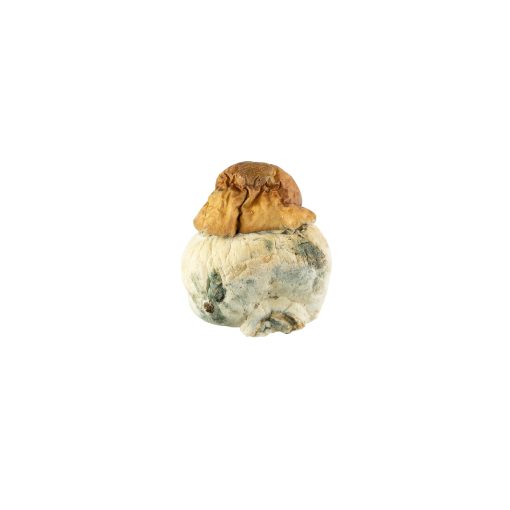
...Texas Yellow Cap Mushroom
Texas Yellow Cap Mushroom is a name commonly associated with a variety related to Psilocybe cubensis that is discussed in mycology and fungal taxonomy. It is recognised for its distinctive yellow to golden cap colouring under certain growing conditions and is primarily studied from a scientific and educational perspective. It should not be confused with common edible mushrooms that are widely consumed as food.
Although mushrooms belong to the fungal kingdom, different species have very different biological characteristics, ecological roles and practical uses. Consequently, understanding mushroom identification and taxonomy is an important part of mycological education. Readers who would also like to understand Australia’s regulated medicinal cannabis framework can explore Aussie Medical Cannabis for educational information about cannabinoids, medicinal cannabis products and Australian healthcare regulations.
Quick Facts
| Feature | Texas Yellow Cap Mushroom | Common Edible Mushrooms |
|---|---|---|
| Kingdom | Fungi | Fungi |
| Scientific association | Psilocybe cubensis variety | Various edible species including Agaricus bisporus |
| Primary interest | Mycology and fungal education | Nutrition and cooking |
| Commercial food use | Not regarded as a culinary mushroom | Yes |
| Australian focus | Educational discussion | Widely available in supermarkets |
Scientific Background
Texas Yellow Cap is generally described within mycological communities as a cultivated variety associated with Psilocybe cubensis. Like other fungi, it produces spores that enable reproduction and forms fruiting bodies under suitable environmental conditions.
Its appearance may vary according to:
- Genetics
- Humidity
- Temperature
- Light exposure
- Substrate
- Growing conditions
For this reason, visual appearance alone should never be relied upon for species identification.
Physical Characteristics
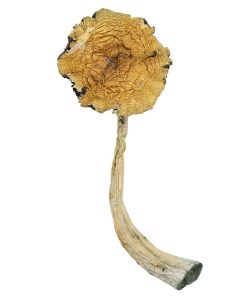
Texas Yellow Cap mushrooms are commonly described as having:
- Yellow to golden cap colouring
- Thick white stem
- Rounded cap during early development
- Flattened cap as maturity increases
- Purple-brown spores at maturity
- Fibrous internal tissue
These characteristics can vary considerably, demonstrating why accurate identification requires scientific examination rather than appearance alone.
Understanding Mushroom Diversity
The fungal kingdom contains thousands of mushroom species.
Examples include:
- Button mushrooms
- Portobello mushrooms
- Shiitake mushrooms
- Oyster mushrooms
- Enoki mushrooms
- Field mushrooms
Each species differs in its:
- Taxonomy
- Ecology
- Nutritional composition
- Habitat
- Physical characteristics
Therefore, mushrooms should not be grouped together as though they are all identical.
Are Mushrooms Healthy?
Many edible mushrooms are recognised as nutritious foods that contribute to a balanced diet.
Common edible mushrooms naturally provide:
- Dietary fibre
- B-group vitamins
- Selenium
- Copper
- Potassium
- Antioxidants
According to the Australian Dietary Guidelines – Eat for Health, Australians are encouraged to consume a wide variety of nutritious foods, including vegetables and fungi, as part of healthy eating patterns.
Benefits of Mushrooms
Edible mushrooms may provide several nutritional benefits because they are generally:
- Low in calories
- Naturally low in fat
- Rich in water
- A source of fibre
- Naturally satisfying after meals
Consequently, mushrooms are frequently included in healthy dietary patterns.
However, nutritional benefits depend upon the species consumed and the overall quality of the diet rather than one food alone.
Advantages of Mushrooms
Many Australians include mushrooms in meals because they:
- Add flavour
- Provide texture
- Contribute nutrients
- Are versatile in cooking
- Can replace higher-calorie ingredients in some recipes
- Pair well with vegetables, grains and lean proteins
Nevertheless, mushrooms should be viewed as part of an overall balanced eating pattern rather than a single solution for improving health.
Mushroom Advantages for Health
Scientific research continues to investigate mushroom nutrition.
Edible mushrooms contain naturally occurring compounds that contribute to:
- Normal nutrition
- Healthy dietary variety
- Fibre intake
- Micronutrient intake
Although research continues, it is important not to assume that all mushroom species have identical nutritional profiles or health effects.
Health Benefits of Mushrooms
Several edible mushroom species are included in dietary recommendations because they provide nutrients while remaining relatively low in energy.
Potential nutritional advantages include:
- Supporting balanced meals
- Increasing vegetable variety
- Providing dietary fibre
- Supplying essential vitamins and minerals
- Contributing antioxidants naturally present in food
These benefits relate to edible culinary mushrooms and should not be confused with regulated medicinal cannabis products or therapeutic medicines.
Advantages of Eating Mushrooms
Including edible mushrooms as part of a balanced diet may contribute to overall nutritional quality. Because they are naturally low in kilojoules and contain water and dietary fibre, mushrooms can add volume and flavour to meals without substantially increasing energy intake.
Many Australians use edible mushrooms in:
- Salads
- Stir-fries
- Soups
- Pasta dishes
- Omelettes
- Sandwiches
- Vegetable-based meals
When combined with vegetables, whole grains and lean protein sources, mushrooms can form part of a healthy eating pattern consistent with the Australian Dietary Guidelines.
Why Are Mushrooms Healthy?
Edible mushrooms provide several naturally occurring nutrients that contribute to normal body function.
Depending on the species, they may contain:
- B-group vitamins
- Selenium
- Copper
- Potassium
- Dietary fibre
- Naturally occurring antioxidants
However, mushrooms should not be viewed as a cure for disease. Instead, they contribute to overall nutrition when eaten as part of a varied and balanced diet.
The Eat for Health – Australian Dietary Guidelines encourage Australians to consume a wide variety of nutritious foods to support long-term health.
Mushroom Nutrition Compared With Medicinal Cannabis
Although both mushrooms and cannabis originate from natural organisms, they have completely different purposes within Australia’s healthcare system.
| Edible Mushrooms | Medicinal Cannabis |
|---|---|
| Consumed as food | Prescribed as a therapeutic medicine |
| Purchased as groceries | Dispensed through authorised pharmacies |
| Provide nutrients | Used for selected medical conditions under professional supervision |
| Included in healthy diets | Requires clinical assessment before prescribing |
| Not prescription medicines | Regulated under Australian medicinal cannabis laws |
Therefore, nutritional mushrooms should never be confused with medicinal cannabis products.
Medicinal Cannabis Education in Australia
Australia regulates medicinal cannabis through a structured healthcare framework designed to protect patient safety.
Healthcare professionals may consider medicinal cannabis after evaluating:
- Medical history
- Diagnosis
- Previous treatments
- Current medications
- Possible medicine interactions
- Potential benefits
- Possible risks
Treatment decisions are individualised, meaning that medicinal cannabis may not be appropriate for every patient.
The Therapeutic Goods Administration (TGA) – Medicinal Cannabis Hub explains Australia’s prescribing pathways and patient information.
Frequently Searched Educational Terms
The following search phrases are included for educational purposes.
| Search phrase | Educational explanation |
| Are mushrooms healthy? | Many edible mushrooms provide nutrients that contribute to a balanced diet. |
| Benefits of mushrooms | Refers to the nutritional value of edible mushroom species. |
| Advantages of mushroom | Usually relates to cooking versatility and nutrient content. |
| Mushroom advantages for health | Educational discussion of fibre, vitamins and minerals found in edible mushrooms. |
| Health benefits of mushrooms | Focuses on the role of edible mushrooms within healthy dietary patterns. |
| Advantages of eating mushroom | Discusses nutrition rather than medicinal treatment. |
| Why are mushrooms healthy? | Edible mushrooms provide nutrients while remaining relatively low in kilojoules. |
These commonly searched phrases are intended to improve understanding and should not replace personalised nutrition or medical advice.
Responsible Health Information
Whether researching mushrooms or medicinal cannabis, Australians should rely on evidence-based information from trusted organisations rather than unsupported online claims.
Healthcare professionals evaluate:
- Scientific evidence
- Individual health history
- Current medicines
- Potential interactions
- Expected benefits
- Possible adverse effects
Likewise, mushroom identification should only be performed by appropriately trained experts because appearance alone cannot determine whether a mushroom is edible or safe.
Why Species Identification Matters
Thousands of mushroom species exist worldwide, and many look similar despite having different biological characteristics.
Mycologists may examine:
- Cap shape and colour
- Stem structure
- Gill attachment
- Spore print colour
- Habitat
- Microscopic features
Correct identification is essential for scientific accuracy and public safety.
Frequently Asked Questions
What is Texas Yellow Cap Mushroom?
Texas Yellow Cap Mushroom is commonly described as a cultivated variety associated with Psilocybe cubensis and is primarily discussed within mycology and fungal education.
Are mushrooms healthy?
Many edible mushroom species are nutritious foods that provide vitamins, minerals, fibre and antioxidants as part of a balanced diet.
What are the benefits of mushrooms?
Edible mushrooms may contribute to healthy eating by providing nutrients while remaining relatively low in kilojoules.
Why are mushrooms considered healthy?
They contain dietary fibre, B-group vitamins, selenium, potassium and other nutrients that support a balanced dietary pattern.
Is Texas Yellow Cap the same as edible mushrooms?
No. Texas Yellow Cap is discussed within mycological education, whereas common culinary mushrooms belong to different edible species.
How does mushroom nutrition differ from medicinal cannabis?
Edible mushrooms are foods, whereas medicinal cannabis products are regulated therapeutic medicines prescribed through Australia’s healthcare system.
Where to Explore Educational Information
To continue learning about medicinal cannabis, cannabinoids, Australian prescribing pathways and evidence-based healthcare, visit Aussie Medical Cannabis.
Additional trusted Australian resources include:
- Therapeutic Goods Administration – Medicinal Cannabis Hub
- Healthdirect Australia – Medicinal Cannabis
- Eat for Health – Australian Dietary Guidelines
- Australian Institute of Health and Welfare (AIHW)
These authoritative Australian resources provide reliable information about healthy eating, medicinal cannabis regulation, public health and evidence-based healthcare.
| weight | Oz, QP, HP, P |
|---|
Be the first to review “Texas Yellow Cap Mushroom”
Related products
Bulk Mushrooms
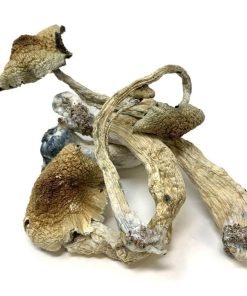
Bulk Mushrooms
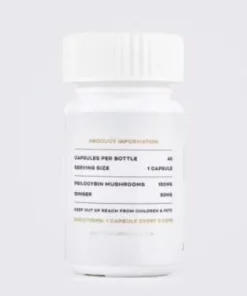
Bulk Mushrooms
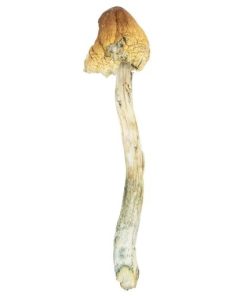
Bulk Mushrooms

Bulk Mushrooms
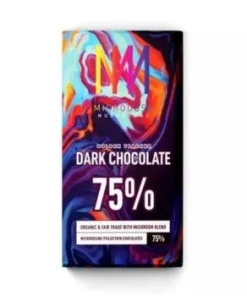
Bulk Mushrooms
Bulk Mushrooms
Bulk Mushrooms
Reviews
There are no reviews yet.