
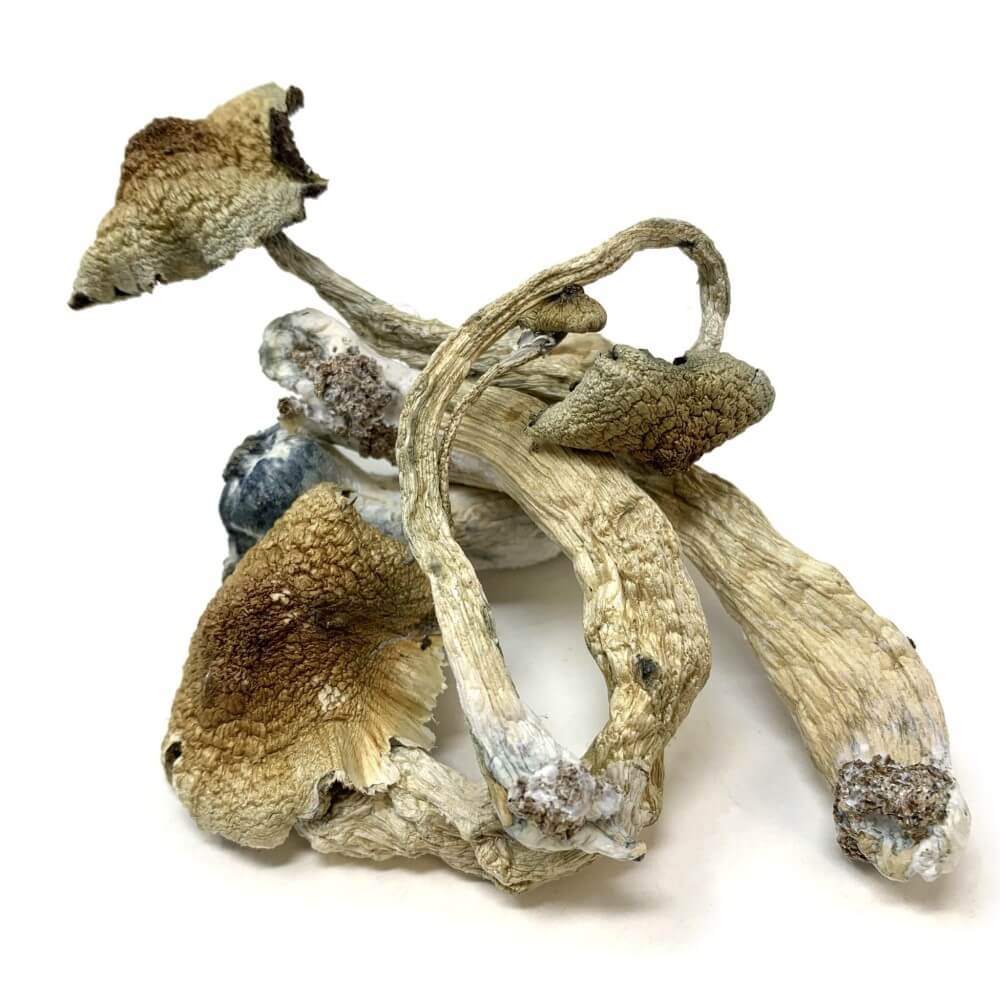
Golden Teacher Mushrooms
Golden Teacher Mushrooms is the common name for a cultivated variety associated with Psilocybe cubensis. Within Australia, this variety is most appropriately discussed from a scientific and educational perspective that focuses on fungal biology, taxonomy and research rather than culinary use.
Australia is home to thousands of fungal species, including edible mushrooms cultivated for food, native fungi that support ecosystems and mushrooms studied within mycology. Understanding fungal diversity helps distinguish edible culinary mushrooms from species discussed primarily in scientific literature.
Readers interested in Australia’s regulated medicinal cannabis framework can also explore Aussie Medical Cannabis for educational information about cannabinoids, medicinal cannabis products and Australian healthcare regulations.
Quick Facts
| Feature | Golden Teacher Mushrooms | Oyster Mushrooms |
|---|---|---|
| Kingdom | Fungi | Fungi |
| Scientific discussion | Mycology and taxonomy | Food and nutrition |
| Primary interest | Educational research | Culinary use |
| Commercial food use | Not regarded as a culinary mushroom | Yes |
| Australian context | Educational information | Commercial food production |
Scientific Background
Golden Teacher is generally regarded as a cultivated variety associated with Psilocybe cubensis.
Like all fungi, it develops through several biological stages:
- Microscopic spores
- Mycelial growth
- Fruiting body development
- Spore production
Scientists identify fungi using:
- Taxonomy
- Morphology
- Microscopic examination
- Spore characteristics
- Genetic relationships
Scientific identification is considerably more reliable than appearance alone.
Physical Characteristics
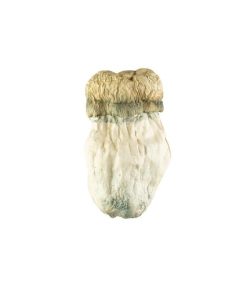
General descriptions associated with cultivated Psilocybe cubensis varieties include:
- Thick stem
- Rounded cap
- Cream to golden colouring
- Purple-brown spores at maturity
- Dense fruiting body
- Fibrous internal tissue
Appearance varies naturally according to genetics and environmental conditions.
Pleurotus Oyster Mushroom
The oyster mushroom belongs to the genus Pleurotus, with the best-known cultivated species being Pleurotus ostreatus.
Oyster mushrooms are recognised for:
- Fan-shaped caps
- White to grey colouring
- Delicate texture
- Mild flavour
- Clustered growth
They are widely cultivated throughout Australia for commercial food production.
According to the Australian Dietary Guidelines – Eat for Health, mushrooms can contribute to healthy eating patterns when consumed as part of a balanced diet.
Mushroom Oyster Mushroom
The phrase “mushroom oyster mushroom” is commonly used by people searching for educational information about oyster mushrooms, their nutritional profile and culinary uses.
Oyster mushrooms are popular because they:
- Cook quickly
- Absorb flavours well
- Provide dietary variety
- Grow efficiently under cultivation
Oyster Fungus
The term oyster fungus is another name for oyster mushrooms belonging to the Pleurotus genus.
These fungi naturally grow on:
- Fallen logs
- Tree stumps
- Dead hardwood
- Decaying timber
Their ecological role includes recycling nutrients through decomposition.
Oyster Fungi
The phrase oyster fungi refers collectively to several Pleurotus species cultivated around the world.
Examples include:
- Pleurotus ostreatus
- Pleurotus pulmonarius
- Pleurotus eryngii
- Pleurotus citrinopileatus
These edible mushrooms are widely valued for both nutrition and commercial cultivation.
Pleurotus ostreatus Mushroom
Pleurotus ostreatus is among the world’s most widely cultivated edible mushroom species.
It is commonly grown because it:
- Produces reliable harvests
- Grows on agricultural by-products
- Has a pleasant flavour
- Is versatile in cooking
The Australian National Botanic Gardens – Fungi provides educational information about Australia’s fungal diversity and ecology.
Oyster Mushroom White
White oyster mushrooms are a cultivated form of Pleurotus ostreatus characterised by:
- Pale white caps
- Soft texture
- Mild taste
- Rapid growth
They are frequently used in stir-fries, soups, pasta dishes and grilled vegetable recipes.
Oyster Mushroom Species
The oyster mushroom species belong to the genus Pleurotus, one of the most widely cultivated groups of edible mushrooms in the world.
Common edible species include:
- Pleurotus ostreatus (Pearl oyster mushroom)
- Pleurotus eryngii (King oyster mushroom)
- Pleurotus pulmonarius (Phoenix oyster mushroom)
- Pleurotus citrinopileatus (Golden oyster mushroom)
- Pleurotus djamor (Pink oyster mushroom)
These mushrooms are commercially cultivated throughout Australia because they grow efficiently and are highly valued in cooking.
Mushroom Powder
Mushroom powder is produced by drying edible mushrooms and grinding them into a fine powder.
It is commonly added to:
- Soups
- Pasta sauces
- Smoothies
- Seasoning blends
- Protein recipes
- Functional beverages
Different mushroom powders are produced from different edible species, so flavour and nutritional composition vary accordingly.
Mushroom Powder Australia
Australia has an expanding market for mushroom powders prepared from edible fungi such as:
- Lion’s mane
- Reishi
- Shiitake
- Maitake
- Oyster mushrooms
Consumers should purchase mushroom powders from reputable Australian suppliers and carefully review ingredient labels.
According to Food Standards Australia New Zealand (FSANZ), consumers should follow appropriate food handling and storage practices for packaged food products.
Mushroom Protein per 100g
The protein content of mushrooms varies by species and whether the mushrooms are fresh or dried.
Fresh edible mushrooms generally provide a modest amount of protein while also containing:
- Dietary fibre
- B-group vitamins
- Potassium
- Copper
- Selenium
Because fresh mushrooms contain a high percentage of water, their nutrient concentrations differ from dried mushroom products.
Calories in Mushrooms per 100g
Most fresh edible mushrooms are naturally low in kilojoules and calories.
Nutritional values vary depending on the species and preparation method, but mushrooms are commonly included in balanced meal plans because they provide:
- Low energy density
- Dietary fibre
- Vitamins
- Minerals
- Culinary versatility
Cooking methods such as grilling, steaming or stir-frying may influence the final nutritional profile.
Mushrooms and Iron
Many people search for information about mushrooms and iron.
Edible mushrooms naturally contain small amounts of iron together with other essential minerals.
Iron intake should always be considered as part of the overall diet rather than from a single food source.
A varied eating pattern that includes vegetables, legumes, whole grains and other nutritious foods helps support healthy nutrient intake.
Are Mushrooms High in Iron?
Most edible mushrooms are not considered high in iron when compared with major dietary iron sources.
However, mushrooms can contribute modest amounts of iron alongside nutrients such as:
- Copper
- Potassium
- Selenium
- B-group vitamins
According to Healthdirect Australia – Healthy Eating, maintaining a varied and balanced diet is the best approach to meeting nutritional requirements.
Mushrooms and Toadstools
The words mushroom and toadstool are often used interchangeably in everyday language.
Scientifically, however, toadstool is not an official biological classification.
Modern mycology identifies fungi according to their scientific taxonomy rather than whether they are called mushrooms or toadstools.
Toadstool Fungus
The phrase toadstool fungus generally refers to fungi that produce above-ground fruiting bodies.
Some species are edible, while others are poisonous.
Because appearance alone is not sufficient for identification, unknown wild fungi should never be consumed without reliable expert identification.
Toadstool Fungi
Australia contains numerous fungi commonly referred to as toadstools.
Examples include:
- Woodland fungi
- Bracket fungi
- Puffballs
- Cup fungi
- Coral fungi
These organisms play important ecological roles by recycling nutrients and supporting biodiversity.
The Australian National Botanic Gardens – Fungi provides comprehensive educational information about Australian fungal ecology and identification.
Mushroom Nutrition Compared With Medicinal Cannabis
Although edible mushrooms and medicinal cannabis are both discussed within health education, they have different purposes and regulatory pathways.
| Mushroom Nutrition | Medicinal Cannabis |
|---|---|
| Focuses on food and nutrition | Focuses on regulated therapeutic medicines |
| Commercially available as food | Available through authorised prescribing pathways |
| Supports healthy eating | Used under medical supervision |
| Regulated as food | Regulated under Australia’s therapeutic framework |
| No prescription required | Prescription generally required |
Accordingly, information about edible mushrooms should not be interpreted as advice regarding medicinal cannabis treatment.
Medicinal Cannabis Education in Australia
Australia regulates medicinal cannabis through a structured healthcare framework designed to ensure patient safety and evidence-based prescribing.
Healthcare professionals generally assess:
- Medical history
- Current diagnosis
- Previous treatments
- Current medicines
- Potential medicine interactions
- Expected therapeutic benefits
- Possible risks
- Ongoing monitoring
Treatment decisions are individualised and based on clinical judgement.
Readers wishing to understand cannabinoids, medicinal cannabis products and Australian prescribing pathways can continue exploring Aussie Medical Cannabis.
The Therapeutic Goods Administration – Medicinal Cannabis Hub provides official information regarding medicinal cannabis regulation and patient access.
Frequently Searched Educational Terms
| Search phrase | Educational explanation |
| Pleurotus oyster mushroom | Refers to edible oyster mushrooms belonging to the Pleurotus genus. |
| Mushroom oyster mushroom | General educational search about oyster mushrooms. |
| Oyster fungus | Common name for fungi within the Pleurotus genus. |
| Oyster fungi | Group of edible oyster mushroom species. |
| Pleurotus ostreatus mushroom | Scientific name for the pearl oyster mushroom. |
| Oyster mushroom white | White cultivated form of Pleurotus ostreatus. |
| Oyster mushroom species | Includes several edible Pleurotus species. |
| Mushroom powder | Powder produced from dried edible mushrooms. |
| Mushroom powder Australia | Mushroom powders available through Australian suppliers. |
| Mushroom protein per 100g | Protein content varies according to species and preparation. |
| Calories mushrooms 100g | Fresh mushrooms are generally low in calories. |
| Mushrooms and iron | Mushrooms contribute modest amounts of dietary iron. |
| Are mushrooms high in iron? | Most edible mushrooms are not considered high-iron foods. |
| Mushrooms and toadstools | Common names that differ from scientific classification. |
| Toadstool fungus | Informal term describing fungi with fruiting bodies. |
| Toadstool fungi | General term for fungi commonly called toadstools. |
Frequently Asked Questions
What are Golden Teacher mushrooms?
Golden Teacher is a cultivated variety associated with Psilocybe cubensis that is discussed within mycology and fungal education.
What is Pleurotus ostreatus?
Pleurotus ostreatus is the scientific name for the pearl oyster mushroom, one of the world’s most widely cultivated edible mushrooms.
Is mushroom powder nutritious?
Mushroom powder retains many naturally occurring nutrients found in edible mushrooms, although nutritional values vary by species and processing method.
Are mushrooms high in iron?
Most edible mushrooms provide modest amounts of iron but are not considered major dietary sources of this mineral.
Is a toadstool different from a mushroom?
In everyday language the terms are often used interchangeably, but “toadstool” is not an official scientific classification.
How does mushroom education differ from medicinal cannabis education?
Mushroom education focuses on fungal biology, ecology and nutrition, while medicinal cannabis education explains Australia’s regulated therapeutic framework.
Where to Explore Educational Information
To continue learning about medicinal cannabis, cannabinoids, Australian prescribing pathways and evidence-based healthcare, visit Aussie Medical Cannabis.
Additional trusted Australian educational resources include:
- Therapeutic Goods Administration – Medicinal Cannabis Hub
- Australian National Botanic Gardens – Fungi
- Food Standards Australia New Zealand (FSANZ)
- Healthdirect Australia
These Australian authority resources provide evidence-based information about edible mushrooms, fungal biodiversity, food safety, nutrition and medicinal cannabis regulation.
| Quantity | 1/8 oz(3.5g), 1/4 oz (7g), 1/2 oz (14g), 1 oz (28g) |
|---|
Be the first to review “Golden Teacher Mushrooms”
Related products
Bulk Mushrooms
Bulk Mushrooms

Bulk Mushrooms
Bulk Mushrooms
Bulk Mushrooms
Bulk Mushrooms
Bulk Mushrooms
Bulk Mushrooms
Reviews
There are no reviews yet.