
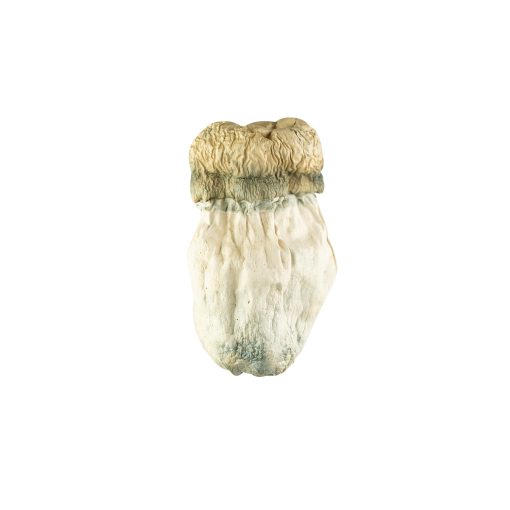
Soucoupe Volante Mushroom
Soucoupe Volante Mushroom is a name commonly associated with a cultivated variety related to Psilocybe cubensis that is discussed within mycology, fungal taxonomy and mushroom research. It is recognised for its distinctive appearance and is primarily studied for scientific and educational purposes rather than culinary use.
Australia has an extraordinary diversity of fungi, ranging from edible mushrooms used in cooking to species that play essential ecological roles or may be poisonous. Consequently, learning how mushrooms are scientifically identified is an important part of public education and outdoor safety.
Readers interested in Australia’s regulated medicinal cannabis framework can also explore Aussie Medical Cannabis to learn about cannabinoids, medicinal cannabis products and Australian healthcare regulations.
Quick Facts
| Feature | Soucoupe Volante Mushroom | Common Edible Mushrooms |
|---|---|---|
| Kingdom | Fungi | Fungi |
| Scientific association | Psilocybe cubensis variety | Various edible species |
| Primary interest | Mycological education | Nutrition and cooking |
| Commercial food use | Not regarded as a culinary mushroom | Yes |
| Australian context | Scientific education | Food production |
Scientific Background
Soucoupe Volante Mushroom is generally regarded as a cultivated variety associated with Psilocybe cubensis. Like other fungi, it develops from microscopic spores before producing fruiting bodies under suitable environmental conditions involving humidity, temperature, airflow and substrate.
Environmental conditions may influence:
- Cap size
- Stem thickness
- Colour
- Fruiting pattern
- Overall appearance
Because appearance varies naturally, mushroom identification requires scientific examination rather than relying solely on photographs or colour.
Physical Characteristics
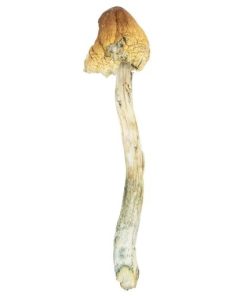
Soucoupe Volante Mushroom is commonly described as having:
- Thick white stem
- Rounded to flattened cap
- Cream to golden colouring
- Dense fruiting body
- Purple-brown spores at maturity
- Fibrous internal tissue
These characteristics are educational descriptions only and should not be used for field identification.
How to Recognise Mushrooms
One of the most common questions asked by beginners is how to recognise different mushroom species.
Professional mycologists identify mushrooms using multiple characteristics, including:
- Cap shape
- Gill attachment
- Stem characteristics
- Spore print colour
- Habitat
- Growth pattern
- Microscopic features
No single characteristic is sufficient to identify every mushroom correctly.
The Australian National Botanic Gardens – Fungi provides educational information about Australia’s remarkable fungal diversity.
How to Tell if a Mushroom Is Edible
There is no simple visual test that can reliably determine whether a wild mushroom is edible.
Common myths—such as tasting a mushroom, observing insects or relying on colour—are not reliable methods of identification.
Instead, scientific identification requires careful examination of multiple characteristics and, in many cases, expert knowledge.
The safest advice is simple:
If you cannot confidently identify a wild mushroom through qualified expertise, do not eat it.
How Do I Know if Mushrooms Are Edible?
The answer depends on accurate species identification.
Commercially cultivated edible mushrooms undergo food safety controls before reaching consumers.
Wild mushrooms, however, may closely resemble poisonous species.
Therefore, Australians should avoid eating unidentified wild mushrooms, even when they resemble edible varieties sold in supermarkets.
How Can I Tell if a Mushroom Is Edible?
Experienced mushroom specialists may examine:
- Spore print colour
- Cap texture
- Stem structure
- Presence of a ring
- Presence of a volva
- Gill attachment
- Habitat
- Microscopic characteristics
Without this level of examination, reliable identification is often impossible.
Identifying Mushrooms in Australia
Australia contains thousands of fungal species distributed across forests, grasslands, parks and gardens.
Because both edible and poisonous mushrooms occur naturally, accurate identification is an important public health issue.
The Healthdirect Australia recommends seeking immediate medical assessment whenever mushroom poisoning is suspected.
Mushroom Identification Australia
Australian mycologists often combine field observations with laboratory examination to distinguish similar species.
This scientific approach improves identification accuracy while reducing the risk of accidental poisoning.
Australian Toadstool Identification
The word toadstool is commonly used to describe mushrooms that are believed to be poisonous. However, from a scientific perspective, there is no formal biological distinction between a mushroom and a toadstool. Mycologists classify fungi according to their taxonomy, physical characteristics and genetic relationships rather than by common names.
When identifying fungi in Australia, specialists may examine:
- Cap shape and surface
- Gill attachment
- Stem characteristics
- Ring (annulus)
- Cup-like base (volva)
- Spore print colour
- Habitat
- Microscopic features
Because many edible and poisonous species appear similar, reliable identification requires considerably more than visual inspection.
Mushroom ID Australia
Many Australians search online for mushroom identification tools and mobile applications. While these resources can be useful for learning about fungal diversity, they should never be relied upon to decide whether a wild mushroom is safe to eat.
Professional identification may include:
- Field observations
- Habitat assessment
- Spore print analysis
- Microscopic examination
- DNA analysis for research purposes
Accordingly, educational resources are valuable for learning, but they do not replace expert identification.
The Australian National Botanic Gardens – Fungi provides educational information about Australian fungi, biodiversity and identification.
Foraged Mushrooms
Foraging refers to collecting naturally growing foods, including edible mushrooms.
Although mushroom foraging is popular in some parts of the world, Australia contains numerous poisonous species that closely resemble edible varieties.
Anyone interested in foraging should remember that:
- Wild mushrooms vary greatly between regions.
- Appearance alone is unreliable.
- Some poisonous species closely resemble edible mushrooms.
- Incorrect identification can result in serious poisoning.
For these reasons, public health authorities recommend extreme caution when collecting wild mushrooms.
Types of Wild Mushrooms
Australia is home to thousands of wild fungal species.
Examples include:
- Field mushrooms
- Oyster mushrooms
- Puffballs
- Bracket fungi
- Coral fungi
- Cup fungi
- Amanita species
- Boletes
Some are edible, some are inedible and others are highly poisonous. Therefore, each species must be identified individually rather than grouped according to appearance.
Australian Fungi Identification
Scientific identification of Australian fungi generally considers multiple characteristics simultaneously.
These may include:
- Habitat
- Host trees
- Fruiting season
- Cap colour
- Stem structure
- Gills or pores
- Spore print
- Microscopic characteristics
Consequently, fungal identification is a specialised scientific discipline that requires experience and careful observation.
Edible Mushrooms in Victoria
Victoria produces a wide range of commercially cultivated edible mushrooms, including:
- White button mushrooms
- Swiss brown mushrooms
- Portobello mushrooms
- Oyster mushrooms
- Shiitake mushrooms
These mushrooms are produced under food safety standards before reaching consumers.
Wild mushrooms found in Victoria should never be assumed to be edible simply because they resemble cultivated varieties.
According to Food Standards Australia New Zealand (FSANZ), consumers should follow food safety guidance and purchase food from reliable sources.
Mushroom Education Compared With Medicinal Cannabis
Although mushrooms and cannabis are both natural organisms, they are discussed in very different educational contexts.
| Mushroom Education | Medicinal Cannabis Education |
|---|---|
| Focuses on fungal biology and identification | Focuses on regulated cannabinoid medicines |
| Includes edible and poisonous species | Includes prescription therapeutic products |
| Promotes public safety | Explains Australian prescribing pathways |
| Supports biodiversity education | Supports evidence-based patient education |
Accordingly, mushroom education should not be confused with medicinal cannabis treatment.
Medicinal Cannabis Education in Australia
Australia regulates medicinal cannabis through a structured healthcare framework designed to ensure patient safety and evidence-based prescribing.
Healthcare professionals may consider:
- Medical history
- Current diagnosis
- Previous treatments
- Current medicines
- Potential medicine interactions
- Expected benefits
- Possible risks
- Ongoing monitoring
Treatment decisions are individualised and based on clinical evidence.
Readers who wish to learn more about medicinal cannabis, cannabinoids and Australian prescribing pathways can continue exploring Aussie Medical Cannabis.
The Therapeutic Goods Administration (TGA) – Medicinal Cannabis Hub provides official information about medicinal cannabis regulation, prescribing pathways and patient access.
Frequently Searched Educational Terms
| Search phrase | Educational explanation |
| How to recognise mushrooms | Scientific identification requires examination of multiple characteristics. |
| How to tell if a mushroom is edible | There is no simple visual test; expert identification is required. |
| How do I know if mushrooms are edible? | Unknown wild mushrooms should never be consumed. |
| How can I tell if a mushroom is edible? | Scientific identification requires careful examination and expertise. |
| Identifying mushrooms in Australia | Australia has thousands of fungal species that require specialist identification. |
| Mushroom identification Australia | Educational resources support learning but do not replace expert assessment. |
| Australian toadstool identification | Toadstool is a common name rather than a scientific classification. |
| Mushroom ID Australia | Identification should combine field observations with scientific examination. |
| Foraged mushrooms | Wild mushrooms collected from natural environments require expert identification. |
| Types of wild mushrooms | Australia contains edible, inedible and poisonous fungal species. |
| Australian fungi identification | Scientific identification considers habitat, spores and morphology. |
| Edible mushrooms in Victoria | Commercially cultivated edible mushrooms are available throughout Victoria. |
Frequently Asked Questions
What is Soucoupe Volante Mushroom?
Soucoupe Volante Mushroom is a cultivated variety associated with Psilocybe cubensis and is primarily discussed within mycology and fungal education.
Can I identify an edible mushroom by looking at it?
No. Many poisonous mushrooms closely resemble edible species. Accurate identification requires scientific knowledge and, in many cases, expert assessment.
What does “toadstool” mean?
Toadstool is a traditional common name often used for poisonous mushrooms, but it is not a scientific classification.
Are wild mushrooms in Australia safe to eat?
Not necessarily. Australia has many poisonous mushrooms that resemble edible species, so unknown wild mushrooms should never be consumed.
Can mushroom identification apps confirm whether a mushroom is edible?
No. Apps and photographs may support learning but should not be used as the sole basis for deciding whether a mushroom is safe to eat.
How does mushroom education differ from medicinal cannabis education?
Mushroom education focuses on fungal biology, biodiversity and public safety, while medicinal cannabis education explains Australia’s regulated therapeutic framework.
Where to Explore Educational Information
To continue learning about medicinal cannabis, cannabinoids, Australian prescribing pathways and evidence-based healthcare, visit Aussie Medical Cannabis.
Additional trusted Australian educational resources include:
- Therapeutic Goods Administration – Medicinal Cannabis Hub
- Healthdirect Australia
- Food Standards Australia New Zealand (FSANZ)
- Australian National Botanic Gardens – Fungi
These Australian authority resources provide evidence-based information about fungi, food safety, medicinal cannabis regulation and public health.
| Quantity | 7G, 14G, 28G, 1/4 LB |
|---|
Be the first to review “Soucoupe Volante”
Related products
Bulk Mushrooms
Bulk Mushrooms
Bulk Mushrooms
Bulk Mushrooms

Bulk Mushrooms
Bulk Mushrooms

Bulk Mushrooms

Bulk Mushrooms
Reviews
There are no reviews yet.