
Indica cannabis is a familiar term used to describe cannabis varieties traditionally associated with shorter plants, broader leaves and effects commonly characterised as relaxing or sedating. Consumers frequently contrast Indica with Sativa, leading to expressions such as “Indica for sleep,” “Indica for pain” or “Indica vs Sativa.”
However, modern cannabis research shows that the traditional Indica/Sativa distinction is much less precise than cannabis marketing often suggests. A product labelled Indica does not automatically produce relaxation, contain more CBD or provide better medical effects than a Sativa-labelled product.
This distinction is particularly important in Australia, where Indica is not a separate legal category. Medicinal cannabis is legal but highly regulated, while non-medical cannabis remains illegal to use, possess, grow or sell in most Australian states and territories.
Australians researching cannabis varieties, THC, CBD and medicinal cannabis regulation can find additional educational material through Aussie Medical Cannabis.
What Is Indica Cannabis?
The term Cannabis indica has historically been used to distinguish certain cannabis plants from those described as Cannabis sativa.
Traditional descriptions typically associate Indica plants with:
- shorter, bushier growth;
- relatively broad leaves;
- compact plant structures;
- cannabis varieties historically associated with particular geographical regions.
Cannabis culture subsequently attached particular effects to these botanical categories. Indica became associated with relaxation and sedation, while Sativa became associated with stimulation and energy.
The scientific picture is considerably more complicated.
Research analysing more than 100 cannabis samples found that commercially labelled Sativa and Indica samples were genetically indistinct at the genome-wide level. Researchers did identify associations between these commercial labels and concentrations of certain terpenes.
A more recent chemical analysis similarly concluded that Sativa, Indica and hybrid classifications do not adequately distinguish the chemical composition of modern cannabis cultivars.
Therefore, Indica should be understood as a traditional and commercial classification rather than a guarantee of a particular chemical profile or effect.
Indica vs Sativa vs Hybrid
The traditional classifications can still help people understand common cannabis terminology, provided their limitations are recognised.
| Feature | Indica | Sativa | Hybrid |
|---|---|---|---|
| Traditional growth | Shorter/bushier | Taller/slender | Mixed |
| Traditional leaves | Broader | Narrower | Variable |
| Commonly marketed effect | Relaxing | Energising | Mixed/balanced |
| Guaranteed THC level? | No | No | No |
| Guaranteed CBD level? | No | No | No |
| Reliable predictor of effects? | No | No | No |
This comparison demonstrates why choosing medicinal cannabis solely because something says Indica strain can be misleading.
The cannabinoid concentration, formulation, dose and individual patient characteristics can provide substantially more useful information.
Does Indica Really Make You Relaxed?
One of the most widespread cannabis claims is:
Indica = relaxing
and
Sativa = energising.
That distinction may describe some people’s experiences, but it should not be treated as a pharmacological rule.
Different cannabis products can contain different concentrations of THC, CBD and other cannabinoids, alongside different terpene profiles.
The TGA notes that different cannabis strains can contain different ratios of THC and CBD. It also explains that cannabis contains terpenes responsible for aroma and flavour, although whether terpenes themselves have significant pharmacological effects remains uncertain.
Individual responses can also differ.
Two people consuming products with similar cannabinoid profiles may not necessarily experience identical effects.
THC and CBD in Indica Cannabis
Two cannabinoids dominate most discussions about medicinal cannabis.
THC
Delta-9-tetrahydrocannabinol (THC) produces the primary psychoactive effects associated with cannabis.
THC can influence mood, cognition, coordination, perception and reaction time.
CBD
Cannabidiol (CBD) does not produce the same intoxicating high associated with THC.
Healthdirect states that medicinal cannabis contains varying concentrations of THC and CBD and that pharmaceutical-grade medicinal cannabis products in Australia are labelled with their THC and CBD levels.
This is important because Indica does not mean CBD-rich.
An Indica-labelled product can potentially be THC-dominant, balanced or have another cannabinoid profile.
Australians wanting to understand these distinctions can explore further educational information through aussiemedicalcannabis.com cannabis education.
Indica Cannabis and Terpenes
Cannabis also contains aromatic compounds called terpenes.
Commonly discussed cannabis terpenes include:
Myrcene, limonene, pinene, caryophyllene and terpinolene.
Terpenes contribute substantially to cannabis aroma.
Interestingly, research into Sativa and Indica labelling found that the commercial labels were associated with variation in certain terpenes even though the samples were genetically indistinct across the genome.
This provides one possible explanation for why consumers sometimes perceive differences between products carrying different traditional labels.
However, more research is needed before individual terpenes can reliably be used to predict particular medical or psychological effects.
Is Indica Cannabis Legal in Australia?
An important point for Australian readers is that Indica does not have its own legal status.
Australian law does not generally say that Indica is legal while Sativa is prohibited.
Instead, the legality depends on the circumstances surrounding cannabis possession, supply, cultivation and medicinal use.
Healthdirect explains that medicinal cannabis is legal but highly regulated. It also states that cannabis remains illegal to use, possess, grow or sell in most Australian states and territories outside applicable legal frameworks.
The ACT has different rules concerning limited personal cannabis possession and cultivation, but these should not be interpreted as nationwide recreational cannabis legalisation.
Consumers should therefore check the rules applying in their particular state or territory.
Can Australians Get Indica Medicinal Cannabis?
Australians can legally access medicinal cannabis when appropriately prescribed.
The TGA states that medicinal cannabis can legally be obtained from a pharmacy with a prescription from a doctor or nurse practitioner.
However, the medical decision isn’t simply:
“Do you want Sativa or Indica?”
The healthcare practitioner should consider the patient’s condition, previous treatments, available evidence, cannabinoid composition, potential adverse effects and other relevant clinical factors.
Most medicinal cannabis products available in Australia are also unapproved therapeutic goods. The TGA emphasised again in June 2026 that most medicinal cannabis products sold in Australia have not undergone the same individual pre-market assessment as medicines included in the Australian Register of Therapeutic Goods.
Legal access pathways nevertheless allow healthcare practitioners to prescribe appropriate unapproved products in particular clinical circumstances.
How Does Legal Medicinal Cannabis Access Work?
The general pathway can be simplified as:
Patient → healthcare practitioner → clinical assessment → prescription/required approvals → pharmacy
Healthdirect explains that a healthcare practitioner considers whether medicinal cannabis may be appropriate and decides which product to prescribe. Once relevant requirements have been met, the patient can obtain the prescribed product through a pharmacy.
In New South Wales, for example, NSW Health states that doctors can legally prescribe cannabis medicines when they believe treatment is appropriate and relevant approvals have been obtained.
Requirements can vary between jurisdictions, so patients should not assume that every state and territory operates identically.
Indica for Sleep
One of the most common searches surrounding Indica cannabis is Indica for sleep.
The association originates partly from the traditional idea that Indica products are more sedating.
However, a product being labelled Indica does not establish that it is an approved or proven insomnia treatment.
Some medicinal cannabis products can cause drowsiness and fatigue as adverse effects. Healthdirect lists these among potential side effects of medicinal cannabis.
That is different from demonstrating that an arbitrary Indica strain safely and effectively treats insomnia.
Someone experiencing persistent sleep problems should discuss the underlying cause and evidence-based treatment options with a healthcare professional rather than relying solely on strain classifications.
Indica for Pain
Pain is another major area of medicinal cannabis research.
Healthdirect states that medicinal cannabis is most often used in Australia for chronic pain, including neuropathic pain, although it is not recommended as a first-line treatment for any health condition.
Again, this does not mean Indica itself is a pain medicine.
Clinical evidence typically concerns particular cannabinoids or formulations rather than every cannabis variety marketed under a broad Indica classification.
The TGA’s clinical guidance notes varying evidence levels across different cannabinoid preparations and conditions.
For medical decisions, asking about THC, CBD, formulation and clinical evidence is therefore more useful than simply asking for “the strongest Indica.”
Indica for Anxiety
Claims that Indica automatically reduces anxiety deserve particular caution.
THC can sometimes produce the opposite effect.
The TGA identifies potential effects associated particularly with THC-rich medicinal cannabis including confusion, hallucinations, paranoid delusions and other psychological effects.
Individual responses vary considerably.
Someone who experiences relaxation from one cannabis product may experience anxiety after another, particularly when THC exposure differs.
Consequently, Indica should not automatically be described as an anxiety treatment.
Indica and THC Potency
Another misconception is that Indica cannabis is inherently stronger than Sativa.
There is no reliable rule supporting this.
THC concentrations can differ substantially among individual products regardless of their traditional strain classification.
This is one reason Australian medicinal-cannabis discussions increasingly focus on measurable cannabinoid content.
For patients, knowing whether a medicine is predominantly THC, predominantly CBD or contains a combination of cannabinoids is generally more informative than knowing whether its marketing description says Indica.
What Research Says About Indica and Sativa
One of the strongest challenges to conventional strain terminology comes from genetic research.
A study published in Nature Plants analysed over 100 cannabis samples for cannabinoids and terpenes and genotyped them across more than 100,000 genetic markers.
Researchers found that samples labelled Sativa and Indica were genetically indistinct on a genome-wide scale.
Read the Indica and Sativa study on PubMed
A 2025 study examining chemical fingerprints reached a related conclusion: the traditional Sativa, Indica and hybrid classifications do not sufficiently differentiate modern cannabis strains and do not accurately represent their chemical composition.
These findings do not necessarily mean every cannabis product is identical.
Instead, they demonstrate that traditional strain labels are too simplistic to describe cannabis chemistry accurately.
Indica Cannabis and Side Effects
Medicinal cannabis can cause adverse effects regardless of whether a product is described as Indica, Sativa or hybrid.
Healthdirect lists potential effects including:
- dizziness or vertigo;
- nausea and vomiting;
- dry mouth;
- changes in appetite;
- drowsiness;
- fatigue;
- confusion or unease.
THC-containing products introduce additional psychoactive effects and impairment considerations.
Side effects can depend on the cannabinoid composition, dose, individual susceptibility and other medicines or substances being used.
Indica Cannabis and Driving
Driving is especially important for Australian medicinal-cannabis patients.
The TGA states that THC can impair driving and warns that a person can be charged when THC is detected while driving even when they have a prescription. Individual state and territory regulations differ.
Healthdirect similarly advises against driving or operating machinery while using medicinal cannabis containing THC.
Therefore, describing an Indica product as relaxing or medicinal does not remove the potential legal consequences associated with THC and driving.
Patients should discuss their driving requirements with their healthcare practitioner and consult current rules for their jurisdiction.
Can You Buy Indica Cannabis Online in Australia?
Consumers should distinguish legal medicinal cannabis supply from websites selling cannabis outside Australia’s regulated system.
The TGA says patients can legally obtain medicinal cannabis from a pharmacy with an appropriate prescription.
It also specifically warns that obtaining medicinal cannabis from an online store that isn’t a registered pharmacy is unlawful.
Therefore, seeing terms such as:
“Indica Australia”
“Indica weed online”
“buy Indica Australia”
or
“Indica cannabis delivery”
does not establish that the seller operates legally.
Legal medicinal access follows Australia’s prescription and pharmacy framework.
Why Chemical Profiles Matter More Than Simple Labels
The evolving scientific evidence suggests that cannabis education should move beyond a simplistic Indica vs Sativa framework.
Consider two hypothetical Indica-labelled products.
One could contain high THC and very little CBD.
Another could contain substantially less THC alongside more CBD.
Those products could potentially produce different effects despite carrying the same broad Indica description.
Chemical composition, formulation and dose therefore provide more meaningful information.
This is especially important in medicinal cannabis, where healthcare decisions should be based on clinical evidence and individual patient circumstances rather than cannabis folklore alone.
Authoritative Australian Educational Resources
For official information about prescriptions, pharmacy supply and THC-related driving considerations, consult the Therapeutic Goods Administration medicinal cannabis information for patients. The TGA confirms that legal medicinal cannabis is available through prescriptions and registered pharmacies and explains important patient responsibilities.
Healthdirect Australia’s medicinal cannabis guide provides consumer information about THC, CBD, potential uses, adverse effects and Australian access requirements.
NSW Health cannabis medicines information provides an example of state-level information about cannabis medicines, including THC and CBD scheduling and therapeutic regulation in New South Wales.
For scientific evidence about the limitations of conventional strain terminology, the PubMed study examining Sativa and Indica cannabis labelling provides useful genetic and chemical evidence.
Where to Explore Further
Australians wanting to continue researching Indica cannabis, Sativa vs Indica, THC, CBD, medicinal cannabis products and Australian cannabis laws can use aussiemedicalcannabis.com as an additional educational resource.
Readers can also use Aussie Medical Cannabis educational resources to explore broader Australian cannabis terminology and medicinal-cannabis topics.
Because medicinal cannabis regulation and state laws can change, current medical and legal questions should ultimately be checked against the TGA, relevant state or territory authorities and qualified healthcare professionals.
Frequently Asked Questions
1. What is Indica cannabis?
Indica is a traditional cannabis classification historically associated with shorter plants, broader leaves and products commonly marketed as relaxing. Modern research shows that commercial Indica and Sativa labels do not reliably correspond to clear genome-wide genetic differences.
2. Does Indica always make you sleepy?
No. Although Indica is commonly associated with relaxation and sedation, the label cannot guarantee a particular effect. THC, CBD, other compounds, dose and individual differences all matter.
3. Is Indica legal in Australia?
Indica does not have a separate legal status. Medicinal cannabis can be legally prescribed under Australia’s regulated framework, while non-medical cannabis remains prohibited in most states and territories outside specific jurisdictional exceptions.
4. Is Indica better than Sativa for medicinal cannabis?
Neither category is automatically better. Modern research questions whether Sativa and Indica labels reliably represent genetic or chemical differences. Medical decisions should instead consider cannabinoid composition, clinical evidence and individual circumstances.
5. Can Australians legally buy Indica cannabis online?
A product being advertised online does not make its supply lawful. The TGA states that legal medicinal cannabis can be obtained from a pharmacy with a prescription and that obtaining it from an online store that isn’t a registered pharmacy is unlawful.
……….
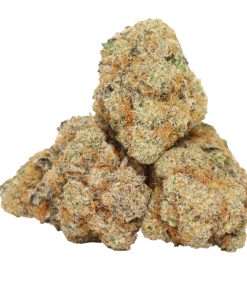
Indica strains
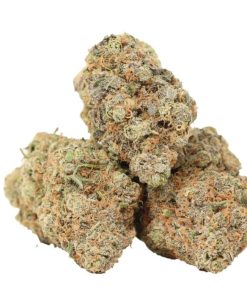
Indica strains
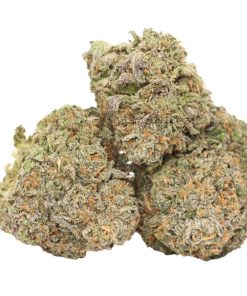
Indica strains
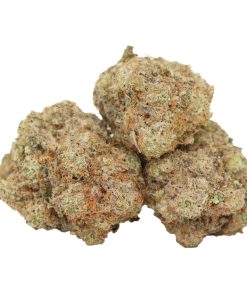
Indica strains
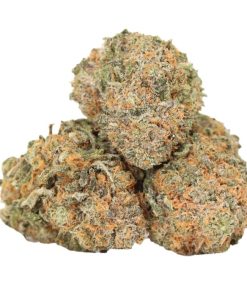
Indica strains
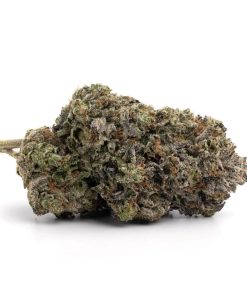
Indica strains
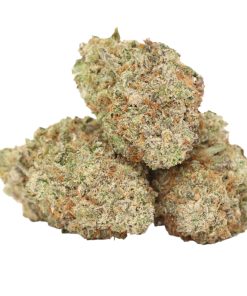
Indica strains
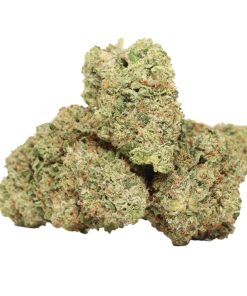
Indica strains
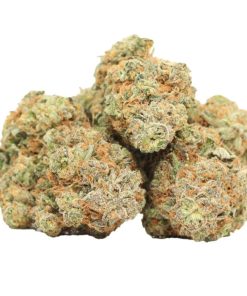
Indica strains
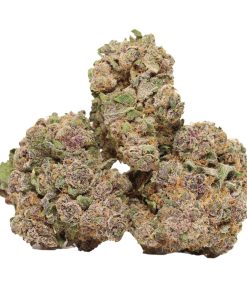
Indica strains
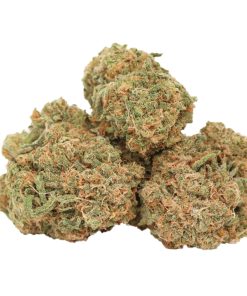
Indica strains
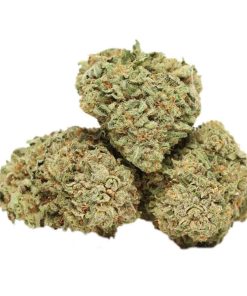
Indica strains