
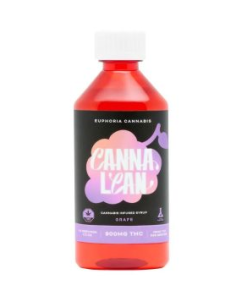
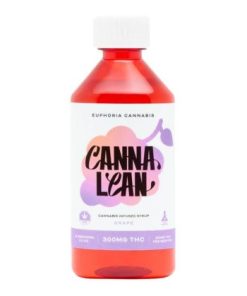
Cannabis syrup is a broad term commonly used for sweetened or flavoured oral liquids containing cannabinoids such as THC (tetrahydrocannabinol), CBD (cannabidiol), or a combination of both. Internationally, products may be advertised as THC syrup, cannabis syrup, THC lean, cannabinoid syrup or cannabis-infused oral liquids.
In Australia, however, the word syrup is mostly a consumer or marketing term rather than a formal medicinal-cannabis category. The Therapeutic Goods Administration (TGA) generally classifies comparable medicinal products as oral liquids, and its current medicinal cannabis product list contains a wide range of CBD-dominant, balanced and THC-dominant oral-liquid formulations.
That distinction matters. Australia does not have a nationwide recreational market where adults can freely purchase high-THC cannabis syrup from ordinary online stores. Lawful medicinal cannabis is supplied within a regulated healthcare framework.
Australians researching cannabinoids, oral cannabis products and current medicinal-cannabis rules can also explore aussiemedicalcannabis.com for further educational information.
What Is Cannabis Syrup?
Cannabis syrup generally refers to a liquid preparation containing cannabinoids that is designed to be swallowed.
Depending on the product, it may contain:
- THC;
- CBD;
- both THC and CBD;
- minor cannabinoids such as CBN or CBG;
- flavouring or sweetening ingredients;
- a liquid carrier.
The term is sometimes used interchangeably with THC liquid, cannabis oral liquid or cannabinoid syrup, although those products are not necessarily identical.
From an Australian regulatory perspective, oral liquid is the more useful term.
The current TGA medicinal cannabis product list includes many oral liquids with precisely stated cannabinoid concentrations. Examples include CBD-dominant products, balanced CBD/THC formulations and THC-dominant oral liquids containing concentrations such as 20, 25, 50 or even 100 mg/mL THC.
That means oral cannabinoid medicines are certainly part of Australia’s medicinal-cannabis system, even though recreational “THC syrup” is not generally available through ordinary retail channels.
THC Syrup vs CBD Syrup vs Medicinal Oral Liquid
| Product | Main Cannabinoid | Intoxicating? | Typical Australian Context |
|---|---|---|---|
| THC syrup | THC | Yes | Consumer term; high-THC supply is controlled |
| CBD syrup | CBD | Generally no THC-like intoxication | Regulatory requirements still apply |
| Balanced oral liquid | THC + CBD | Depends on THC level | Common medicinal formulation |
| THC-dominant oral liquid | Primarily THC | Yes | Can exist in Category 4 or 5 medicinal cannabis |
| CBD-dominant oral liquid | Primarily CBD | Usually non-intoxicating | Common medicinal format |
The physical appearance of the liquid does not determine its legal status, potency or medical suitability.
A sweet-tasting syrup can contain a pharmacologically significant amount of THC just as an oil can.
Is THC Syrup the Same as Cannabis Oil?
Not necessarily.
Both can be oral cannabinoid preparations, but the terminology differs.
A cannabis oil usually refers to cannabinoids suspended or dissolved in an oil-based carrier.
A cannabis syrup generally refers to a sweeter, often flavoured liquid preparation.
A medicinal oral liquid is the broader regulatory term and may use different carriers and formulations.
From a healthcare perspective, the key information is not whether the bottle says syrup or oil. More important factors include:
THC concentration
CBD concentration
dose per millilitre
other cannabinoids
product formulation
prescription status
clinical indication
This is why Australian medicinal-cannabis regulation focuses heavily on cannabinoid composition.
THC in Cannabis Syrup
THC is cannabis’s principal intoxicating cannabinoid.
It can alter:
- perception;
- attention;
- coordination;
- reaction time;
- memory;
- mood.
The TGA’s current medicinal cannabis list demonstrates how widely oral-liquid THC concentrations can vary.
Some listed THC-dominant oral liquids contain around 20–30 mg/mL THC, others contain approximately 50–55 mg/mL, and some listed formulations reach 100 mg/mL THC.
Those figures are not suggested doses and should not be interpreted as instructions for use.
They instead illustrate why the phrase THC syrup tells a consumer very little without an actual cannabinoid concentration.
Two bottles that look almost identical could contain drastically different amounts of THC.
CBD in Cannabis Syrups and Oral Liquids
CBD does not produce the characteristic intoxicating high associated with THC.
Healthdirect explains that medicinal cannabis in Australia can contain THC, CBD or combinations of cannabinoids. It also notes that regulated medicinal products identify their THC and CBD levels on their labels.
CBD-dominant oral liquids are particularly common on the TGA medicinal cannabis product list.
The current list contains CBD oral liquids at concentrations including:
100 mg/mL,
150 mg/mL,
200 mg/mL,
and higher concentrations in some formulations.
Again, the presence of CBD does not mean a syrup can simply be sold as an ordinary wellness beverage.
Australian scheduling, therapeutic-goods and supply rules can still apply.
How Oral THC Behaves Differently From Inhaled Cannabis
Cannabis syrup is swallowed, so THC enters the body differently from cannabis that is smoked or vaporised.
After oral ingestion, THC travels through the gastrointestinal tract and undergoes metabolism in the liver.
This produces an active metabolite called 11-hydroxy-THC.
A controlled pharmacokinetic study of orally consumed cannabis found delayed systemic THC exposure and significant variability among participants. Researchers also observed 11-hydroxy-THC after ingestion.
Read the oral cannabis pharmacokinetic study on PubMed
This helps explain why an oral THC product may feel different from inhaled cannabis.
Why Cannabis Syrup Can Have Delayed Effects
Oral cannabinoids generally take longer to produce noticeable systemic effects than inhaled cannabinoids.
This matters because a person may mistakenly assume the original amount did not work before its effects have fully developed.
The delayed nature of oral THC is one reason medicinal formulations need clear cannabinoid concentrations and professional prescribing guidance.
Oral effects can also last longer than the initial effects of inhaled cannabis.
However, there is no single universal onset or duration because absorption can be affected by formulation, food intake, individual metabolism and other factors.
This article therefore does not provide self-dosing instructions.
Cannabis Syrup vs Gummies
Cannabis syrup and cannabis gummies are both orally consumed cannabinoid products, but their formulations differ.
| Feature | Cannabis Syrup/Oral Liquid | Cannabis Gummies/Pastilles |
|---|---|---|
| Form | Liquid | Solid/chewable |
| Main route | Oral | Oral |
| THC possible? | Yes | Yes |
| CBD possible? | Yes | Yes |
| Delayed oral effects | Yes | Yes |
| Medicinal formats listed by TGA | Yes | Yes |
| Recreational retail generally legal Australia-wide? | No | No |
Interestingly, the current TGA medicinal cannabis list includes both oral liquids and pastilles containing THC, CBD or combinations of cannabinoids.
This demonstrates how Australia’s medicinal market now includes a much broader range of formulations than dried flower alone.
Is Cannabis Syrup Legal in Australia?
There is no blanket legal category called “cannabis syrup.”
Legality depends on:
the cannabinoids present,
their concentration,
the purpose of supply,
whether the product is therapeutic,
how it was prescribed,
and the relevant Commonwealth, state or territory rules.
Healthdirect states that medicinal cannabis is legally prescribed by registered healthcare practitioners and that cannabis remains illegal to use, possess, grow or sell in most Australian states and territories outside applicable legal frameworks.
Therefore, a THC syrup supplied lawfully as medicinal cannabis is very different from an unregulated recreational cannabis syrup.
How Medicinal Cannabis Oral Liquids Are Accessed
Australian patients generally access medicinal cannabis through a healthcare practitioner rather than ordinary cannabis retail.
The Office of Drug Control states that most medicinal cannabis products may only be accessed through the Special Access Scheme, an Authorised Prescriber, or a clinical trial, unless the product is registered on the Australian Register of Therapeutic Goods. State and territory requirements can also apply.
A simplified pathway is:
Patient → healthcare practitioner → assessment → prescription/access pathway → pharmacy
Healthdirect also notes that medicinal cannabis is generally not considered a first-line treatment.
Readers wanting broader Australian cannabis education can continue exploring through Aussie Medical Cannabis.
What Are Balanced THC and CBD Oral Liquids?
A balanced cannabinoid product contains meaningful amounts of both CBD and THC.
The current TGA list contains numerous balanced oral liquids, including formulations with approximately:
10 mg/mL CBD + 10 mg/mL THC,
25 mg/mL CBD + 25 mg/mL THC,
50 mg/mL CBD + 50 mg/mL THC,
and other combinations.
These examples show why medicinal cannabis should not be thought of only in terms of “CBD products” versus “THC products.”
A large middle category exists containing both cannabinoids.
However, CBD does not automatically neutralise all THC impairment or adverse effects.
A balanced product can still contain enough THC to produce intoxication and affect driving.
Cannabis Syrup for Pain
Pain is one of the conditions for which medicinal cannabis is sometimes considered.
Healthdirect notes that medicinal cannabis may be used in certain chronic illnesses and conditions when standard treatments have not provided adequate relief.
However, this does not mean cannabis syrup itself is a proven pain treatment.
Clinical evidence relates to specific cannabinoid products, concentrations, routes of administration and patient populations.
It would therefore be inaccurate to say that:
“THC syrup is best for pain”
or
“stronger syrup means stronger pain relief.”
Medicinal treatment should be based on clinical suitability rather than potency alone.
Cannabis Syrup for Sleep
THC can produce drowsiness or fatigue in some individuals.
Healthdirect lists drowsiness and fatigue among common side effects that can occur with medicinal cannabis containing THC and CBD.
This helps explain why some cannabis products are marketed internationally around sleep.
But sedation is not identical to evidence-based treatment of insomnia.
Sleep difficulties can have many underlying causes, and a cannabinoid product that makes one person sleepy may produce anxiety, dizziness or another unwanted response in someone else.
A healthcare professional should therefore assess persistent sleep problems rather than relying solely on product marketing.
Cannabis Syrup and Anxiety
Cannabis’s relationship with anxiety is complex.
Some people report relaxation after THC exposure, while others can experience psychological discomfort, confusion or unease.
Healthdirect lists confusion or a sense of unease among possible medicinal cannabis side effects.
High THC concentration can be particularly important in this context.
The label “relaxing THC syrup” should therefore not be interpreted as a guarantee that the product will reduce anxiety.
Individual sensitivity, cannabinoid concentration and other medicines can all affect response.
Cannabis Syrup and Side Effects
Possible effects associated with medicinal cannabis can include:
- dizziness or vertigo;
- nausea;
- vomiting;
- diarrhoea;
- dry mouth;
- appetite changes;
- drowsiness;
- fatigue;
- confusion or unease.
THC-containing products can additionally impair cognition and coordination.
Oral products deserve particular attention because their delayed effects can make the timing of impairment less intuitive than with inhaled cannabis.
This is another reason clearly labelled, regulated medicinal products differ significantly from unidentified recreational syrups.
“THC Lean” and Cannabis Syrup
The phrase THC lean sometimes appears online as slang or marketing terminology for a sweetened cannabis liquid.
It should not be confused with pharmaceutical or illicit opioid-containing cough syrups sometimes referred to using similar slang.
A cannabis-based THC syrup contains cannabinoids rather than necessarily containing codeine or promethazine.
Nevertheless, describing a product as “THC lean” does not establish:
medical quality,
legal supply,
THC concentration,
or safety.
For Australian health information, cannabis oral liquid is generally the clearer term.
Can Cannabis Syrup Be Manufactured Legally in Australia?
Yes, cannabinoid extracts and oral preparations can be manufactured within the medicinal and scientific framework when regulatory requirements are met.
The Office of Drug Control specifically identifies medicinal cannabis products such as extracts and tinctures and states that manufacturers require a medicinal cannabis licence and relevant permit.
The ODC also states that licences and permits are required before growing, producing or manufacturing cannabis for medicinal or research purposes in Australia. Personal-use licences are not available through this federal framework.
This article does not provide instructions for making THC syrup or extracting cannabinoids.
Why Manufacturing Standards Matter
A liquid product can hide considerable uncertainty.
Its appearance alone cannot reveal:
THC concentration,
CBD concentration,
other cannabinoids,
microbial contamination,
pesticides,
residual solvents,
or whether the contents match the label.
Australian medicinal-cannabis manufacturing operates under controlled licensing and quality requirements.
The ODC states that licence and permit conditions are intended to protect patient safety by helping ensure production of high-quality medicinal products.
This distinction becomes especially important when comparing regulated oral liquids with unidentified cannabis syrup advertised through informal markets.
Can You Buy THC Syrup Online in Australia?
An online listing does not establish lawful supply.
Australia does not have a nationwide recreational THC-syrup marketplace.
The ODC’s current manufacturer and supplier information is specifically intended for the medical profession and pharmacies. It tells patients and families to contact their doctor regarding treatment options.
Accordingly, Australians should distinguish between:
registered healthcare professionals,
pharmacies,
licensed medicinal-cannabis suppliers,
and unregulated online sellers.
This article does not provide sources for buying controlled THC syrup outside lawful medical channels.
THC Syrup and Driving
THC-containing oral liquids can impair abilities required for safe driving.
Because oral THC can have delayed and prolonged effects, a person should not assume they are safe to drive simply because they consumed a liquid several hours earlier.
Australian drug-driving requirements vary by state and territory.
Patients prescribed THC-containing medicinal cannabis should discuss driving with their healthcare practitioner and check the rules applying where they live.
The product being medicinal does not automatically eliminate all drug-driving restrictions.
Is Stronger Cannabis Syrup Better?
No.
A greater THC concentration means that a smaller volume can contain more THC.
It does not automatically mean:
better pain relief,
better sleep,
better anxiety control,
better medical quality,
or better treatment outcomes.
The current TGA list demonstrates just how wide the concentration range of medicinal oral liquids has become.
For medical treatment, the appropriate cannabinoid concentration depends on clinical circumstances, potential benefits, adverse effects and individual response.
Potency is a characteristic—not a measure of medical superiority.
Australian Educational Resources
The TGA medicinal cannabis product list is particularly useful for understanding cannabis syrup terminology because it shows the large range of oral-liquid formulations currently notified within Australia’s medicinal cannabis system. These include CBD-dominant, balanced and THC-dominant products.
Healthdirect Australia — Medicinal cannabis explains THC, CBD, common side effects and the difference between regulated medicinal cannabis and non-medical cannabis.
The Office of Drug Control — medicinal cannabis manufacturing guidance explains the licensing and permit requirements applying to medicinal cannabis extracts and tinctures.
For scientific background, the PubMed study of oral cannabis pharmacokinetics explains how orally consumed THC is absorbed and metabolised differently from inhaled cannabis.
Where to Explore Further
Australians researching cannabis syrup, THC syrup, CBD oral liquids, cannabis oils and medicinal cannabis regulation can continue their educational research through aussiemedicalcannabis.com.
The site can provide broader Australian-focused cannabis education, while current prescribing, product and legal questions should ultimately be checked against the TGA, Office of Drug Control and relevant state or territory health authorities.
Frequently Asked Questions
1. What is cannabis syrup?
Cannabis syrup generally refers to an orally consumed liquid containing cannabinoids such as THC or CBD. In Australia’s medicinal system, comparable products are more commonly categorised as oral liquids rather than syrups.
2. Is THC syrup legal in Australia?
THC-containing oral cannabis products can exist within Australia’s regulated medicinal-cannabis framework. This does not mean recreational THC syrup is generally legal for unrestricted retail sale.
3. Are cannabis syrup and cannabis oil the same?
Not necessarily. Both are oral cannabinoid formulations, but oils generally use an oil-based carrier while syrup describes a sweeter liquid formulation. The actual THC and CBD concentration is more important than the marketing name.
4. Are THC oral liquids available medicinally in Australia?
Yes. The TGA medicinal cannabis product list currently includes numerous THC-dominant oral liquids, including formulations containing 20, 25, 50 and 100 mg/mL THC. These are regulated medicinal products, not an indication of unrestricted recreational availability.
5. Does cannabis syrup work faster than smoking cannabis?
Generally no. Oral THC typically has a slower onset because it must pass through the gastrointestinal system and undergo metabolism before full systemic effects develop. Controlled research demonstrates delayed and variable oral THC pharmacokinetics.
Cannabis Syrup
Cannabis Syrup
Cannabis Syrup