
A cannabis tincture is a liquid cannabis preparation containing cannabinoids such as THC (tetrahydrocannabinol), CBD (cannabidiol), or both. Historically, tinctures were alcohol-based botanical extracts, but modern cannabis products marketed as “tinctures” may use oils or other liquid carriers instead. In Australia, the more important regulatory term is usually oral liquid, because that is how many comparable medicinal cannabis products are listed by the Therapeutic Goods Administration (TGA).
Current Australian medicinal-cannabis listings include a wide range of oral liquids containing CBD, THC or balanced cannabinoid combinations. The TGA also describes medicinal cannabis products broadly as including oral liquids, capsules, sprays and dried herb.
For broader Australian cannabis education, readers can also explore aussiemedicalcannabis.com
What Is a Cannabis Tincture?
A cannabis tincture is a liquid extract containing compounds derived from cannabis. Depending on formulation, it may be predominantly CBD, predominantly THC, or contain meaningful amounts of both cannabinoids.
Traditional herbal tinctures commonly use alcohol as an extraction medium. Modern medicinal cannabis products, however, do not necessarily fit that traditional definition. Many products consumers casually call cannabis tinctures are actually oil-based oral liquids.
For Australian patients, this distinction matters because a product should be understood through its regulated formulation and cannabinoid content rather than through marketing terminology alone.
A bottle labelled “cannabis tincture” does not, by itself, tell you its:
- THC concentration;
- CBD concentration;
- legal status;
- pharmaceutical quality;
- therapeutic suitability;
- dosing instructions.
The actual product information and prescribing pathway matter much more.
Cannabis Tincture vs Cannabis Oil
The terms are often used interchangeably online, but technically they can describe different preparations.
| Product | General Description | Common Cannabinoids | Australian Context |
|---|---|---|---|
| Cannabis tincture | Liquid cannabis extract | THC, CBD or both | Usually better understood as an oral-liquid preparation |
| Cannabis oil | Cannabinoids in an oil carrier | THC, CBD or both | Common medicinal format |
| CBD oral liquid | CBD-dominant liquid | Mainly CBD | Widely represented in TGA medicinal listings |
| THC oral liquid | THC-dominant liquid | Mainly THC | Available within regulated medicinal pathways |
| Balanced oral liquid | Similar amounts of CBD and THC | CBD + THC | Also present in the Australian medicinal system |
The TGA’s medicinal cannabis product list currently contains many oral liquids with concentrations such as CBD 100 mg/mL, CBD 200 mg/mL, THC 25 mg/mL, THC 50 mg/mL and balanced preparations containing CBD and THC together.
These figures are examples of product concentrations, not self-dosing recommendations.
THC Tinctures
A THC tincture is a liquid preparation in which THC is a major active cannabinoid.
THC is responsible for most of cannabis’s characteristic intoxicating effects and can influence attention, memory, perception, coordination and reaction time.
Australia’s medicinal market includes multiple THC-dominant oral liquids. The TGA’s current product list contains formulations labelled with approximately 20–30 mg/mL THC, 50–55 mg/mL THC, and some products at 100 mg/mL THC.
That wide range highlights an important point: the phrase “THC tincture” says very little about actual potency.
Two bottles marketed with similar terminology could have dramatically different cannabinoid concentrations.
CBD Tinctures
A CBD tincture is a liquid preparation dominated by cannabidiol.
CBD does not produce the same characteristic intoxication associated with THC. That has contributed to extensive international marketing around CBD drops, CBD tinctures and CBD oils.
Australia, however, regulates therapeutic cannabinoid products. Calling something “CBD tincture” does not automatically make it an ordinary over-the-counter wellness product.
The current TGA medicinal cannabis product list includes CBD oral liquids at concentrations such as 50, 100, 150, 200, 300 and 400 mg/mL, alongside products containing smaller amounts of THC or other cannabinoids.
Again, these examples demonstrate formulation diversity rather than recommended doses.
Balanced THC and CBD Tinctures
Some oral cannabis liquids contain both THC and CBD.
The current Australian product list includes balanced formulations such as:
25 mg/mL CBD with 25 mg/mL THC,
50 mg/mL CBD with 50 mg/mL THC,
and other CBD-to-THC combinations.
These products demonstrate why the cannabis market cannot be reduced simply to “THC products” and “CBD products.”
A balanced formulation may still produce intoxication because meaningful THC remains present.
CBD should not be assumed to completely neutralise THC’s psychoactive effects.
How Oral Cannabis Tinctures Differ From Inhaled Cannabis
The route of administration changes how cannabinoids behave in the body.
When cannabis is inhaled, cannabinoids enter circulation relatively rapidly through the lungs. Oral cannabinoid preparations must instead pass through the gastrointestinal system before undergoing metabolism.
A systematic review of oral THC pharmacokinetics examined 26 studies involving capsules, tablets, baked products, oils and other oral cannabis preparations. Researchers found high variability in THC absorption and generally delayed peak plasma concentrations compared with other routes of administration.
This helps explain why oral cannabis liquids can feel different from inhaled cannabis.
It also means that product effects cannot reliably be predicted solely from the concentration printed on a bottle.
Why Oral THC Can Be Unpredictable
Several factors influence the effects of an oral THC preparation.
These can include formulation, food intake, individual metabolism, previous cannabis exposure and the presence of other cannabinoids.
The systematic review of oral THC found particularly substantial variability across formulations, with oils and baked products showing notable differences in absorption.
That variability is one reason this article does not provide self-directed dosing schedules.
A prescribed medicinal tincture or oral liquid should be used according to the patient’s healthcare plan and product instructions.
Are Cannabis Tinctures Legal in Australia?
There is no simple nationwide rule that says “all cannabis tinctures are legal.”
Legality depends on the cannabinoid composition, therapeutic status, prescription pathway and applicable state or territory controls.
The TGA states that medicinal cannabis products are regulated therapeutic goods and that access to most unapproved products requires the Special Access Scheme, Authorised Prescriber scheme, or participation in a clinical trial.
Therefore, a prescribed medicinal cannabis oral liquid can be lawfully supplied within Australia’s therapeutic framework.
That does not establish unrestricted recreational access to THC tinctures.
How Medicinal Cannabis Tinctures Are Accessed
The Australian medicinal pathway generally looks like:
Patient → healthcare professional → clinical assessment → appropriate prescription/access pathway → pharmacy
The TGA confirms that most medicinal cannabis products remain unapproved therapeutic goods and require an appropriate access pathway unless they are registered on the Australian Register of Therapeutic Goods.
The Office of Drug Control likewise states that products may generally be accessed through the Special Access Scheme, an Authorised Prescriber or a clinical trial unless registered on the ARTG. State and territory requirements can also apply.
This structure is very different from an unrestricted recreational cannabis marketplace.
Readers interested in the wider Australian framework can continue through Aussie Medical Cannabis educational resources.
Are Tinctures an Official Australian Product Category?
Not exactly.
The TGA more commonly uses terms such as oral liquid when listing medicinal cannabis products.
However, the Office of Drug Control explicitly uses the word tinctures in its guidance for medicinal cannabis manufacturers. It explains that manufacturers producing medicinal cannabis products such as extracts and tinctures require the appropriate medicinal cannabis licence and permits.
Therefore, “tincture” is a recognised type of cannabis preparation, but consumers may encounter regulated products under broader pharmaceutical dosage-form terminology.
Manufacturing Cannabis Tinctures in Australia
Australia tightly regulates medicinal cannabis manufacture.
The Office of Drug Control says manufacturers need to meet the conditions of their medicinal cannabis licence and hold relevant permits before manufacturing products such as extracts and tinctures. These conditions are designed to support the production of high-quality products and protect patient safety.
Updated ODC guidance also states that a licence and permit are required to grow, produce or manufacture cannabis in Australia for medicinal or research purposes. The federal medicinal cannabis licensing system does not provide licences for personal use.
For that reason, this article does not provide instructions for making THC or CBD tinctures.
Why Quality Control Matters
A cannabis liquid may look simple, but its appearance provides almost no information about its actual composition.
Visual inspection cannot reliably establish:
THC content,
CBD content,
minor cannabinoid concentrations,
microbiological contamination,
pesticides,
residual solvents,
or whether the bottle contains what its label claims.
Regulated medicinal manufacture therefore matters.
The ODC says its licence and permit conditions are intended to support high-quality medicinal cannabis production and patient safety.
This is one major difference between regulated pharmaceutical supply and unidentified cannabis tinctures sold through informal markets.
Is Stronger THC Tincture Better?
No.
Greater THC concentration is not automatically a marker of better medical quality or stronger therapeutic benefit.
A product containing 100 mg/mL THC is simply more concentrated than one containing 25 mg/mL THC. Whether either formulation is medically suitable depends on the patient, medical condition, treatment goals, cannabinoid balance and risk of adverse effects.
The current Australian product list demonstrates that oral cannabis preparations span a very broad cannabinoid range.
The appropriate clinical question is therefore not “Which tincture has the most THC?”
It is “Which formulation, if any, is appropriate for this particular patient?”
Cannabis Tinctures for Pain
Chronic pain is one reason some Australians investigate medicinal cannabis.
However, the word tincture describes a dosage form rather than a particular pain treatment.
Different oral preparations may contain dramatically different cannabinoid profiles, so evidence involving one cannabis formulation should not automatically be applied to all tinctures.
A medical assessment needs to consider the specific pain condition, previous treatments, other medicines, potential benefits and adverse effects.
The highest-THC tincture is not necessarily the most appropriate product.
Cannabis Tinctures for Sleep
Cannabinoid preparations are also frequently marketed internationally around sleep.
THC can cause drowsiness in some people, but sedation is not synonymous with effective treatment of insomnia.
CBD, THC and balanced products may also produce very different responses.
For some people, THC may produce unwanted psychological effects instead of relaxation.
Persistent sleep problems should therefore be clinically assessed rather than treated solely on the basis of cannabis-product marketing.
Cannabis Tinctures and Anxiety
The relationship between cannabis and anxiety varies between individuals and cannabinoid formulations.
Some people report feeling relaxed after cannabis exposure, while others experience anxiety or psychological discomfort, particularly with THC.
That variability means statements such as “THC tinctures reduce anxiety” or “CBD tinctures cure anxiety” are too broad to reflect the evidence.
Any therapeutic use should be discussed in the context of a person’s diagnosis, existing medicines and individual risk profile.
Tinctures vs Gummies
Tinctures and gummies both involve oral cannabinoid exposure, but they use different formats.
A tincture or oral liquid is fluid and can contain THC, CBD or both.
A gummy or medicinal pastille is a solid edible formulation.
Both can have delayed effects compared with inhaled cannabis because cannabinoids are consumed orally.
The TGA’s current product list includes both oral liquids and pastilles, showing that Australia’s medicinal market now includes diverse dosage forms beyond cannabis flower.
Tincture vs Syrup
Cannabis tincture and cannabis syrup can also be confused.
A traditional tincture is an extract, historically often alcohol-based.
A syrup generally refers to a sweeter liquid preparation.
Neither word provides enough information to determine potency.
From an Australian medicinal perspective, both may be better understood through formal terms such as oral liquid, together with the stated THC and CBD concentrations.
Tinctures vs Cannabis Extracts
“Tincture” is more specific than “extract.”
A cannabis extract is any preparation in which cannabinoids or other compounds have been extracted from cannabis plant material.
A tincture is one possible liquid extract format.
An extract might also be incorporated into an oil, oral liquid or other formulation.
The ODC specifically groups extracts and tinctures when discussing licensed medicinal cannabis manufacturing.
Can You Buy Cannabis Tincture Online in Australia?
An online advertisement is not evidence that a cannabis product can legally be supplied in Australia.
Australia’s lawful medicinal system is centred on healthcare professionals, regulated access pathways and pharmacy supply.
The ODC’s current list of approved medicinal cannabis manufacturers and importers is explicitly provided for medical professionals and pharmacies, and the agency directs patients and families to contact their doctor regarding treatment options.
Therefore, consumers should distinguish legitimate medicinal access from websites offering unrestricted THC products.
This article does not provide vendors or instructions for acquiring controlled cannabis products outside lawful channels.
Tinctures and Driving
THC-containing tinctures can impair functions required for safe driving.
The fact that THC is supplied as a liquid does not eliminate psychoactive effects.
Oral THC can also have delayed and variable pharmacokinetics, making the relationship between consumption and impairment less intuitive than with inhaled cannabis.
Patients using prescribed THC-containing products should discuss driving with their healthcare professional and check current state or territory drug-driving rules.
Why the Label Matters More Than the Word “Tincture”
The most informative information on a regulated cannabinoid product includes:
THC per millilitre,
CBD per millilitre,
other relevant cannabinoids,
dosage form,
volume,
prescribing instructions,
and manufacturer information.
The TGA medicinal cannabis product list illustrates this clearly because products are differentiated primarily by measurable cannabinoid composition and dosage form.
Terms such as “premium tincture,” “full-spectrum drops” or “strong cannabis tincture” are far less informative.
Australian Educational Resources
The TGA medicinal cannabis hub explains Australia’s medicinal-cannabis access pathways, product forms and regulatory status. Most medicinal cannabis products remain unapproved therapeutic goods that require an appropriate access mechanism.
The TGA medicinal cannabis product list provides current examples of CBD-dominant, balanced and THC-dominant oral liquids supplied in Australia.
The Office of Drug Control medicinal cannabis manufacturing guidance specifically addresses extracts and tinctures and explains the licensing and permit framework governing manufacture.
For scientific background, the PubMed systematic review of oral cannabis and THC preparations provides evidence about oral THC absorption and its high pharmacokinetic variability.
Where to Explore Further
Australians researching cannabis tinctures, THC tinctures, CBD drops, cannabis oils, oral cannabinoids and medicinal cannabis laws can continue exploring educational material through aussiemedicalcannabis.com.
For prescribing, manufacturing, product status and legal requirements, current guidance from the TGA, Office of Drug Control and relevant state or territory health departments should remain the primary reference.
Frequently Asked Questions
1. What is a cannabis tincture?
A cannabis tincture is a liquid preparation containing cannabis-derived compounds such as THC or CBD. Traditional tinctures often use alcohol, while many modern products called tinctures are actually oil-based oral liquids.
2. Are cannabis tinctures legal in Australia?
Medicinal cannabis oral liquids and extracts can be supplied legally through Australia’s regulated therapeutic system. This does not mean unrestricted recreational THC tinctures are generally legal.
3. Is cannabis tincture the same as cannabis oil?
Not necessarily. A traditional tincture is an extracted liquid preparation, while cannabis oil usually contains cannabinoids in an oil carrier. In Australia’s medicinal system, many comparable products are simply classified as oral liquids.
4. Are THC tinctures available medicinally in Australia?
Yes. Australia’s current medicinal cannabis product list includes many THC-dominant oral liquids, including products at approximately 25, 50 and 100 mg/mL THC. These concentrations are product information, not dosing recommendations.
5. Do tinctures work faster than cannabis edibles?
Both are oral cannabinoid products, and their absorption can be delayed and variable compared with inhaled cannabis. A systematic review found substantial differences in oral THC pharmacokinetics between formulations.
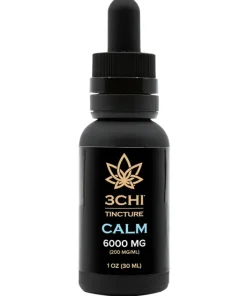
Cannabis Tincture
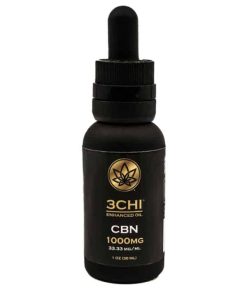
Cannabis Tincture
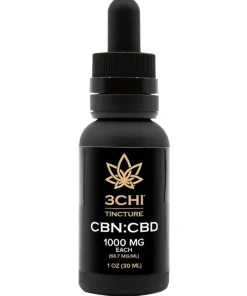
Cannabis Tincture
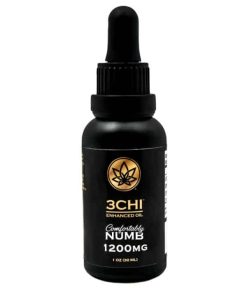
Cannabis Tincture
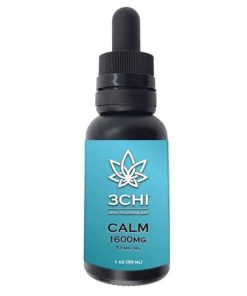
Cannabis Tincture
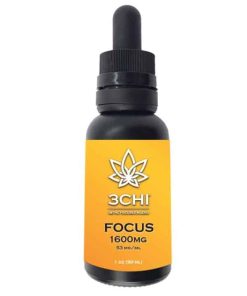
Cannabis Tincture
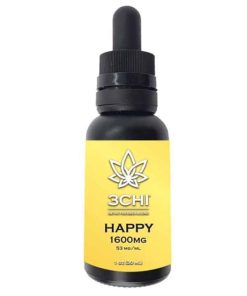
Cannabis Tincture
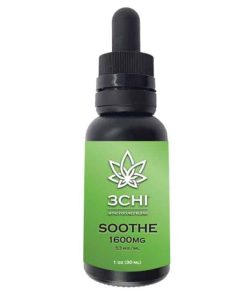
Cannabis Tincture
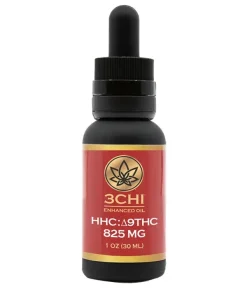
Cannabis Tincture
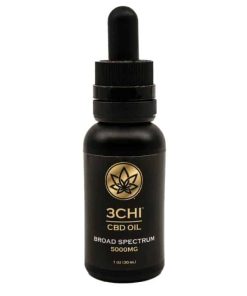
Cannabis Tincture