
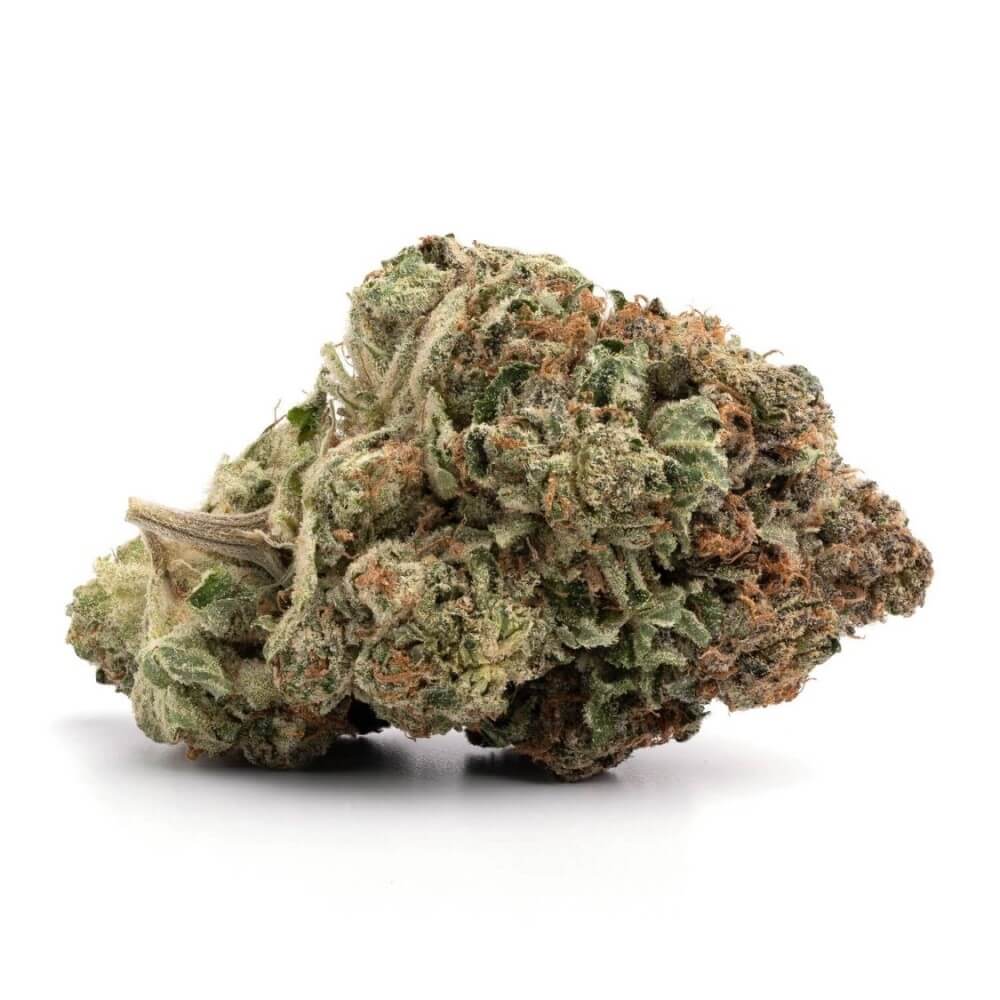
Jack Herer Strain
The Jack Herer strain is a cannabis cultivar frequently discussed in cannabis genetics, botanical research and medicinal cannabis education. Within Australia, discussions about cannabis cultivars are best understood from an educational perspective that focuses on cannabinoid science, public health and Australia’s regulated medicinal cannabis framework.
Australia continues to expand research into cannabinoids, pharmaceutical cannabinoid medicines and evidence-based healthcare. At the same time, public health authorities educate Australians about the differences between naturally occurring cannabinoids, synthetic cannabinoids and unregulated substances.
Readers interested in Australia’s regulated medicinal cannabis framework can also explore Aussie Medical Cannabis for educational information about cannabinoids, medicinal cannabis products and Australian healthcare regulations.
Quick Facts
| Feature | Jack Herer Strain | Educational Focus |
|---|---|---|
| Plant species | Cannabis sativa | Cannabis science |
| Primary discussion | Cannabis genetics | Public health education |
| Australian context | Botanical education | Regulated medicinal cannabis |
| Research topics | Cannabinoids and plant science | Synthetic cannabinoids and healthcare |
| Purpose | Educational only | Educational only |
Scientific Background
Cannabis naturally contains more than one hundred cannabinoids, with the two most widely studied being:
- Cannabidiol (CBD)
- Delta-9-tetrahydrocannabinol (THC)
Scientists also study synthetic cannabinoids, which are laboratory-produced compounds designed to interact with cannabinoid receptors. These substances are chemically different from the naturally occurring cannabinoids found in the cannabis plant.
Researchers continue investigating:
- Cannabinoid chemistry
- Pharmacology
- Brain function
- Therapeutic applications
- Public health impacts
Understanding these differences is important because synthetic cannabinoids and naturally occurring cannabinoids can have very different effects.
Synthetic Cannabinoids
Synthetic cannabinoids are laboratory-made chemicals that interact with cannabinoid receptors in the body.
Unlike naturally occurring cannabinoids such as THC and CBD, synthetic cannabinoids may have:
- Different chemical structures
- Different pharmacological effects
- Different safety profiles
- Different durations of action
Some synthetic cannabinoid products have been associated with serious adverse health effects and are not equivalent to regulated medicinal cannabis products.
According to Healthdirect Australia, synthetic cannabinoids can be unpredictable and may cause serious health problems.
Synthetic Medicine
The phrase “synthetic medicine” broadly refers to medicines produced through chemical synthesis rather than being directly extracted from natural sources.
Within cannabinoid science, it is important to distinguish between:
- Regulated pharmaceutical medicines
- Naturally derived medicinal cannabis products
- Laboratory-produced synthetic cannabinoids
Each category has different manufacturing standards, regulatory pathways and clinical applications.
What Is Synthetic THC?
Some people search for “what is synthetic THC?”
Synthetic THC generally refers to laboratory-produced compounds that are chemically related to tetrahydrocannabinol or designed to mimic some of its biological activity.
These substances differ from naturally occurring THC found in the cannabis plant.
Healthcare professionals evaluate medicines according to:
- Clinical evidence
- Product quality
- Safety
- Therapeutic purpose
The Therapeutic Goods Administration (TGA) regulates therapeutic products supplied within Australia’s healthcare framework.
What Is Synthetic Marijuana?
The term “synthetic marijuana” usually refers to products containing synthetic cannabinoids rather than cannabis itself.
Although these products are sometimes marketed using cannabis-related terminology, they are not the same as natural cannabis and may have very different pharmacological effects.
Public health authorities recommend avoiding confusion between:
- Cannabis
- Medicinal cannabis
- Synthetic cannabinoids
- Laboratory-produced chemicals
Understanding these distinctions supports informed health decisions.
What Is Fake Pot?
The phrase “fake pot” commonly refers to products marketed as cannabis but containing synthetic cannabinoids or other laboratory-produced substances.
These products:
- Are chemically different from cannabis
- May have unpredictable effects
- Should not be confused with regulated medicinal cannabis
- Present important public health concerns
Educational resources therefore distinguish clearly between natural cannabis and synthetic cannabinoid products.
Fake Weed
“Fake weed” is another informal term frequently used to describe synthetic cannabinoid products.
Australian public health organisations emphasise that synthetic cannabinoid products are not equivalent to medicinal cannabis products prescribed under Australia’s healthcare framework.
Spicy Weed
The phrase “spicy weed” is an informal expression that is sometimes used online to refer to synthetic cannabinoid products or cannabis products perceived as unusually potent. It is not a scientific or medical term.
From a public health perspective, it is important to distinguish between:
- Naturally occurring cannabis
- Regulated medicinal cannabis products
- Synthetic cannabinoids
- Unregulated substances
Using accurate terminology helps reduce confusion and supports informed healthcare decisions.
Smoking Spice
“Spice” is a common name that has been used for certain products containing synthetic cannabinoids rather than naturally occurring cannabis.
Australian health authorities advise that these products can be unpredictable because:
- Chemical ingredients vary.
- Potency may differ substantially.
- Effects can be difficult to predict.
- Serious adverse health effects have been reported.
According to Healthdirect Australia, synthetic cannabinoids have been associated with severe physical and mental health effects and should not be confused with medicinal cannabis.
Tax for Cigarettes in Australia
Many people compare cannabis regulation with tobacco regulation.
Australia applies excise and customs duties to tobacco products, with taxation forming part of broader public health policy intended to reduce smoking-related harm.
Tobacco taxation differs from the regulatory framework used for medicinal cannabis because medicinal cannabis products are regulated as therapeutic medicines rather than consumer tobacco products.
Smoking Tax Australia
Australia has some of the highest tobacco taxes in the world.
Tobacco excise is regularly adjusted by the Australian Government and forms part of a comprehensive strategy that also includes:
- Plain packaging
- Health warnings
- Advertising restrictions
- Smoking reduction initiatives
Further information is available from the Australian Government Department of Health, Disability and Ageing.
How Much Are Cigarettes Taxed?
The exact amount of tax applied to cigarettes changes over time because excise rates are indexed and periodically updated by the Australian Government.
For the most current figures, readers should refer to official government resources such as:
- Australian Government Department of Health, Disability and Ageing
- Australian Taxation Office (ATO)
- Australian Border Force (for customs-related information)
Because taxation changes periodically, educational resources should avoid relying on outdated figures.
What Are Edibles?
Edibles are cannabis products that are consumed orally rather than inhaled.
Examples discussed in educational settings include:
- Capsules
- Oils
- Gummies
- Baked products
- Oral liquid formulations
Within Australia’s medicinal cannabis framework, any prescribed cannabinoid product is supplied only where clinically appropriate following assessment by an authorised healthcare professional.
THC Edibles
THC edibles contain delta-9-tetrahydrocannabinol (THC) and are absorbed through the digestive system.
Compared with inhaled cannabis, edible products generally have:
- Slower onset
- Longer duration
- Variable absorption
- Different pharmacokinetics
Responses vary according to the product, dose and individual characteristics.
How Long Does an Edible Take to Kick In?
A common educational question is:
“How long does an edible take to kick in?”
Unlike inhaled cannabis, edible products must pass through the digestive system before cannabinoids are absorbed into the bloodstream.
The exact onset varies according to factors such as:
- Individual metabolism
- Amount consumed
- Product formulation
- Cannabinoid composition
- Whether food has been eaten
Because onset varies considerably, prescribed medicinal cannabis products should always be used according to the instructions provided by the prescribing healthcare professional.
Can You Eat Cannabis?
People also ask “Can you eat cannabis?”
From a botanical perspective, cannabis plant material can be incorporated into edible preparations. However, simply eating raw cannabis plant material does not produce the same effects as regulated edible cannabinoid products because cannabinoids behave differently depending on their chemical form and processing.
Within Australia, medicinal cannabis products intended for oral use are manufactured under regulated quality standards where clinically appropriate.
Edibles Meaning
The term “edibles” refers to cannabis products designed to be consumed orally rather than inhaled.
Educational information about edibles commonly covers:
- Product formulations
- Absorption
- Pharmacology
- Duration of action
- Patient safety
- Australia’s regulatory framework
Understanding these concepts helps distinguish regulated medicinal products from informal terminology used online.
Synthetic Cannabinoids Compared With Medicinal Cannabis
Synthetic cannabinoid products and regulated medicinal cannabis are fundamentally different.
| Synthetic Cannabinoids | Regulated Medicinal Cannabis |
|---|---|
| Laboratory-made chemicals | Products derived and manufactured under regulated therapeutic standards |
| Variable chemical structures | Standardised cannabinoid profiles |
| Unpredictable effects may occur | Prescribed following clinical assessment |
| Public health concern | Evidence-based therapeutic framework |
| Not equivalent to medicinal cannabis | Regulated under Australian therapeutic legislation |
Understanding these distinctions is essential when interpreting health information.
Medicinal Cannabis Education in Australia
Australia regulates medicinal cannabis through a structured healthcare framework that prioritises patient safety, product quality and evidence-based prescribing.
Healthcare professionals generally assess:
- Medical history
- Current diagnosis
- Previous treatments
- Current medicines
- Potential medicine interactions
- Expected therapeutic outcomes
- Possible risks
- Ongoing clinical monitoring
Medicinal cannabis is not appropriate for every patient or every medical condition, and treatment decisions are individualised.
Readers wishing to understand cannabinoids, medicinal cannabis products and Australian prescribing pathways can continue exploring Aussie Medical Cannabis.
Official information is available through the Therapeutic Goods Administration – Medicinal Cannabis Hub.
Frequently Searched Educational Terms
| Search phrase | Educational explanation |
| Synthetic cannabinoids | Laboratory-made compounds that interact with cannabinoid receptors. |
| Synthetic medicine | Medicines produced through chemical synthesis. |
| What is synthetic THC? | Laboratory-produced compounds related to THC or designed to mimic some of its activity. |
| What is synthetic marijuana? | Products containing synthetic cannabinoids rather than natural cannabis. |
| What is fake pot? | Informal term often referring to synthetic cannabinoid products. |
| Fake weed | Common name for products containing synthetic cannabinoids. |
| Spicy weed | Informal slang rather than a scientific term. |
| Smoking Spice | Refers to use of products containing synthetic cannabinoids. |
| Tax for cigarettes in Australia | Tobacco taxation is part of Australia’s public health strategy. |
| Smoking tax Australia | Refers to Australian tobacco excise and related taxation policies. |
| How much are cigarettes taxed? | Rates change over time and should be confirmed using official government sources. |
| What are edibles? | Cannabis products intended for oral consumption. |
| THC edibles | Oral cannabis products containing THC. |
| How long does an edible take to kick in? | Onset varies because edible products are absorbed through digestion. |
| Can you eat cannabis? | Cannabis can be consumed orally in regulated formulations, but raw plant material behaves differently from processed cannabinoid products. |
| Edibles meaning | Products designed for oral cannabinoid administration. |
Frequently Asked Questions
What is the Jack Herer strain?
Jack Herer is a cannabis cultivar discussed within cannabis genetics, botanical research and medicinal cannabis education.
Are synthetic cannabinoids the same as cannabis?
No. Synthetic cannabinoids are laboratory-made chemicals and are different from the naturally occurring cannabinoids found in cannabis.
What are edibles?
Edibles are cannabis products that are consumed orally rather than inhaled and include formulations such as gummies, capsules and oils.
Why do edible cannabis products have a slower onset?
Edible products are absorbed through the digestive system before cannabinoids enter the bloodstream, resulting in a slower onset than inhaled products.
How is medicinal cannabis regulated in Australia?
Medicinal cannabis products are regulated through Australia’s healthcare framework and may be prescribed where clinically appropriate following professional assessment.
How does cannabis education differ from medicinal cannabis education?
Cannabis education focuses on plant biology, cannabinoids and public health, while medicinal cannabis education explains Australia’s regulated therapeutic framework and evidence-based prescribing.
Where to Explore Educational Information
To continue learning about medicinal cannabis, cannabinoids, Australian prescribing pathways and evidence-based healthcare, visit Aussie Medical Cannabis.
Additional trusted Australian educational resources include:
- Therapeutic Goods Administration – Medicinal Cannabis Hub
- Healthdirect Australia – Synthetic Cannabis
- Australian Government Department of Health, Disability and Ageing
- Australian Taxation Office (ATO)
These Australian authority resources provide evidence-based information about medicinal cannabis regulation, synthetic cannabinoids, public health, tobacco policy and healthcare.
| weight | Oz, QP, HP, P |
|---|
Be the first to review “Jack Herer Strain”
Related products
Sativa Cannabis Strain
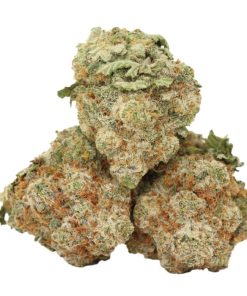
Sativa Cannabis Strain
Sativa Cannabis Strain
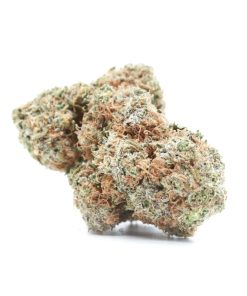
Sativa Cannabis Strain
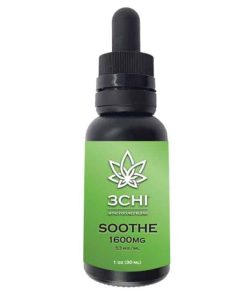
Cannabis Tincture
Hybrid cannabis strains
Sativa Cannabis Strain
Sativa Cannabis Strain
Reviews
There are no reviews yet.