
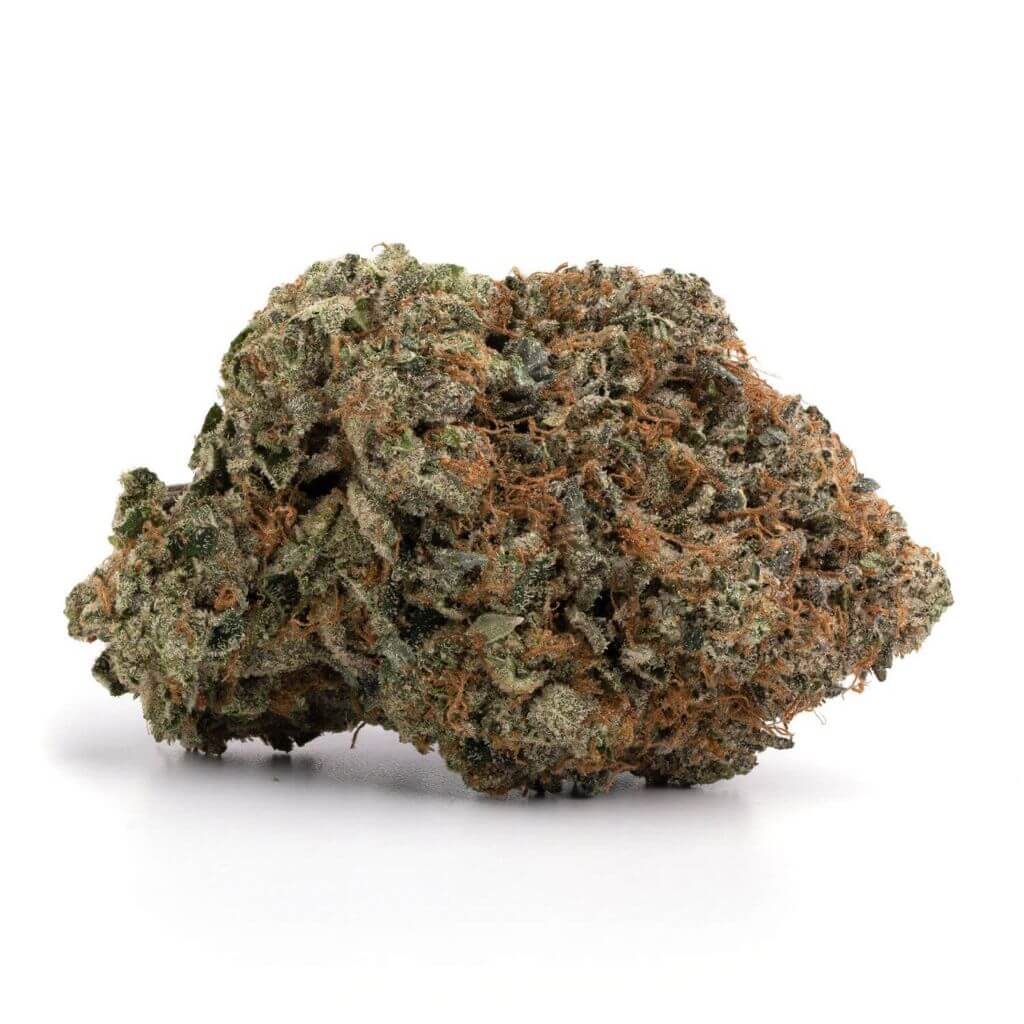
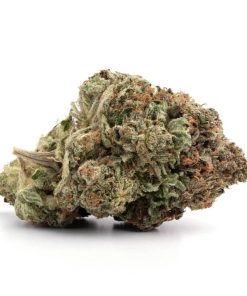
Durban Poison
Durban Poison is a cannabis cultivar frequently discussed in cannabis genetics, botanical science and medicinal cannabis education. Within Australia, discussions about cannabis cultivars are best understood from an educational perspective that focuses on public health, evidence-based medicine and Australia’s regulated medicinal cannabis framework.
Australia continues to support research into cannabinoids, mental health and substance use. Healthcare professionals also educate patients and families about recognising possible signs of impairment while emphasising that symptoms alone cannot diagnose cannabis use or another medical condition.
Readers interested in Australia’s regulated medicinal cannabis framework can also explore Aussie Medical Cannabis for educational information about cannabinoids, medicinal cannabis products and Australian healthcare regulations.
Quick Facts
| Feature | Durban Poison | Educational Focus |
|---|---|---|
| Plant species | Cannabis sativa | Cannabis science |
| Primary discussion | Cannabis genetics | Public health education |
| Australian context | Botanical education | Healthcare and patient safety |
| Research areas | Cannabinoids and plant biology | Substance use awareness |
| Purpose | Educational only | Educational only |
Scientific Background
Cannabis naturally contains cannabinoids such as:
- Cannabidiol (CBD)
- Delta-9-tetrahydrocannabinol (THC)
Researchers continue studying how cannabinoids interact with the body’s endocannabinoid system, including effects on:
- Memory
- Attention
- Coordination
- Mood
- Perception
- Behaviour
Because responses vary considerably between individuals, healthcare professionals avoid diagnosing cannabis use based solely on appearance or behaviour.
How Can You Tell if Someone Is High?
Many people ask “How can you tell if someone is high?”
There is no single sign that confirms cannabis exposure.
Possible indicators that may occur with cannabis impairment can include:
- Bloodshot eyes
- Slower reaction times
- Changes in attention
- Altered coordination
- Mood changes
- Impaired concentration
- Distinctive odour in some situations
However, these observations can also be associated with many other medical, psychological or environmental factors.
Only an appropriate clinical assessment or validated testing method can determine the cause.
According to Healthdirect Australia, cannabis affects individuals differently depending on the product, dose and personal characteristics.
Signs Someone Is on Drugs
The phrase “signs someone is on drugs” covers a wide range of substances, not just cannabis.
Possible warning signs requiring further assessment may include:
- Sudden behavioural changes
- Confusion
- Reduced coordination
- Mood changes
- Poor concentration
- Social withdrawal
- Changes in sleep
These signs are not diagnostic, as many physical and mental health conditions may present similarly.
Healthcare professionals assess the full clinical picture before drawing conclusions.
How Do You Know if Someone Is High?
Another common question is:
“How do you know if someone is high?”
Educationally, the answer is that you cannot know with certainty based on observation alone.
Several factors can produce similar symptoms, including:
- Fatigue
- Stress
- Anxiety
- Illness
- Prescription medicines
- Alcohol
- Other drugs
If there are concerns about someone’s health or safety, seeking appropriate medical advice is the safest approach.
Symptoms of Substance Abuse
Substance use disorders involve complex medical and behavioural factors.
Possible symptoms that may prompt professional assessment include:
- Declining work or school performance
- Relationship difficulties
- Changes in mood
- Reduced self-care
- Risk-taking behaviour
- Ongoing use despite harmful consequences
These features do not automatically indicate cannabis use specifically, nor do they establish a diagnosis.
The National Health and Medical Research Council (NHMRC) supports evidence-based health research that informs Australian healthcare practice.
Drug Addict Signs and Symptoms
The phrase “drug addict signs and symptoms” is commonly searched online, although healthcare professionals generally use the term substance use disorder rather than “addict.”
Clinical assessment considers many factors, including:
- Pattern of use
- Functional impairment
- Mental health
- Physical health
- Social functioning
- Risk of harm
Diagnosis requires comprehensive evaluation rather than a checklist of visible signs.
Signs and Symptoms of Someone on Cannabis
Possible signs that may occur during cannabis impairment include:
- Slower responses
- Reduced concentration
- Altered perception
- Coordination changes
- Bloodshot eyes
- Changes in mood
These signs vary widely and should never be used on their own to conclude that someone has used cannabis, as other medical conditions or substances may produce similar findings.
Signs and Symptoms of a Drug User
The phrase “signs and symptoms of a drug user” is often searched by people concerned about a family member, friend or colleague. However, it is important to understand that no single sign can confirm drug use.
Healthcare professionals assess a combination of factors that may include:
- Changes in behaviour
- Difficulties with concentration
- Declining performance at work or school
- Changes in sleep patterns
- Mood changes
- Withdrawal from social activities
- Poor decision-making
- Changes in personal hygiene or routine
Many medical conditions, mental health disorders, prescription medicines and life stresses can produce similar symptoms. A comprehensive clinical assessment is therefore essential.
According to Healthdirect Australia, concerns about alcohol or other drug use should be discussed with a healthcare professional who can provide assessment and appropriate support.
Artificial Weed
The term “artificial weed” usually refers to synthetic cannabinoid products rather than naturally occurring cannabis.
Artificial or synthetic cannabinoid products:
- Are laboratory-produced chemicals
- Differ chemically from cannabis
- May produce unpredictable effects
- Should not be confused with regulated medicinal cannabis
Australian public health agencies continue to educate the public about the risks associated with these substances.
Spice Synthetic Weed
“Spice” is one of the best-known names used for products containing synthetic cannabinoids.
Although these products may be marketed to resemble cannabis, they are fundamentally different because:
- Their chemical composition differs.
- Potency may vary considerably.
- Ingredients are often inconsistent.
- Serious adverse health effects have been reported.
Healthdirect Australia advises that synthetic cannabinoids can be significantly more unpredictable than naturally occurring cannabis and have been linked with severe medical complications.
Synthetic Weed
The phrase “synthetic weed” refers to products containing laboratory-made cannabinoids rather than cannabinoids naturally produced by the cannabis plant.
Researchers distinguish synthetic cannabinoids from medicinal cannabis because:
- Manufacturing processes differ.
- Chemical structures differ.
- Safety profiles differ.
- Regulatory frameworks differ.
- Clinical evidence differs.
This distinction is important for both public health and patient education.
Cannabis Impairment Compared With Substance Use Disorders
Educational discussions about cannabis impairment should not be confused with substance use disorders.
| Cannabis Impairment | Substance Use Disorder |
|---|---|
| Temporary effects that may occur following cannabis exposure | A medical condition requiring comprehensive clinical assessment |
| May affect attention, coordination or perception | Involves behavioural, psychological and functional changes over time |
| Varies according to the individual and product | Diagnosed using recognised clinical criteria |
| Does not by itself establish a disorder | Requires professional evaluation |
Understanding this difference helps avoid misunderstanding and supports evidence-based healthcare.
Medicinal Cannabis Education in Australia
Australia regulates medicinal cannabis through a structured healthcare framework designed to support patient safety, product quality and evidence-based prescribing.
Healthcare professionals generally consider:
- Medical history
- Current diagnosis
- Previous treatments
- Current medicines
- Potential medicine interactions
- Expected therapeutic outcomes
- Possible risks
- Ongoing clinical monitoring
Medicinal cannabis is not appropriate for every patient or every condition, and prescribing decisions are individualised.
Readers wishing to understand cannabinoids, medicinal cannabis products and Australian prescribing pathways can continue exploring Aussie Medical Cannabis.
Official information is available through the Therapeutic Goods Administration – Medicinal Cannabis Hub.
Frequently Searched Educational Terms
| Search phrase | Educational explanation |
| How can you tell if someone is high? | No single observation can reliably confirm cannabis exposure. |
| Signs someone is on drugs | Many medical and psychological conditions can produce similar signs. |
| How do you know if someone is high? | Clinical assessment is required rather than relying on appearance alone. |
| Symptoms of substance abuse | Healthcare professionals evaluate behaviour, health and functioning over time. |
| Drug addict signs and symptoms | Modern healthcare generally uses the term “substance use disorder.” |
| Signs and symptoms of someone on cannabis | Possible impairment varies considerably and is not diagnostic by itself. |
| Signs and symptoms of a drug user | Multiple factors require professional assessment before conclusions are made. |
| Artificial weed | Informal term for products containing synthetic cannabinoids. |
| Spice synthetic weed | Products containing synthetic cannabinoids rather than natural cannabis. |
| Synthetic weed | Laboratory-produced cannabinoids that differ from medicinal cannabis. |
Frequently Asked Questions
What is the Durban Poison strain?
Durban Poison is a cannabis cultivar discussed within cannabis genetics, plant breeding and medicinal cannabis education.
Can you tell if someone has used cannabis by looking at them?
No. Visible signs alone cannot reliably determine whether someone has used cannabis because many other conditions can produce similar symptoms.
What is synthetic weed?
Synthetic weed refers to products containing laboratory-produced synthetic cannabinoids rather than naturally occurring cannabis.
Is Spice the same as medicinal cannabis?
No. Spice products contain synthetic cannabinoids and are different from regulated medicinal cannabis products used within Australia’s healthcare framework.
How is medicinal cannabis regulated in Australia?
Medicinal cannabis products are regulated through Australia’s healthcare system and may be prescribed where clinically appropriate following professional assessment.
How does cannabis education differ from medicinal cannabis education?
Cannabis education focuses on plant biology, cannabinoids and public health, while medicinal cannabis education explains Australia’s regulated therapeutic framework, evidence-based prescribing and patient safety.
Where to Explore Educational Information
To continue learning about medicinal cannabis, cannabinoids, Australian prescribing pathways and evidence-based healthcare, visit Aussie Medical Cannabis.
Additional trusted Australian educational resources include:
- Therapeutic Goods Administration – Medicinal Cannabis Hub
- Healthdirect Australia – Alcohol and Other Drugs
- National Health and Medical Research Council (NHMRC)
- Australian Government Department of Health, Disability and Ageing
These Australian authority resources provide evidence-based information about medicinal cannabis, substance use, synthetic cannabinoids, public health and healthcare research.
| weight | Oz, QP, HP, P |
|---|
Be the first to review “Durban poison”
Related products

Cannabis Tincture
Sativa Cannabis Strain
Sativa Cannabis Strain
Hybrid cannabis strains
Cannabis Tincture

Cannabis Tincture
Sativa Cannabis Strain
Sativa Cannabis Strain
Reviews
There are no reviews yet.