
Cannabis Education
Medicinal Use of Cannabinoids: Understanding Their Role in Modern Medicine
Aug
Cannabinoids are naturally occurring compounds found in the Cannabis sativa plant and have become an important focus of medical research over the past two decades. Interest in the medicinal use of cannabinoids has grown as scientists continue investigating their potential role in managing selected medical conditions, including chronic pain, treatment-resistant epilepsy, chemotherapy-related nausea, and multiple sclerosis-related spasticity.
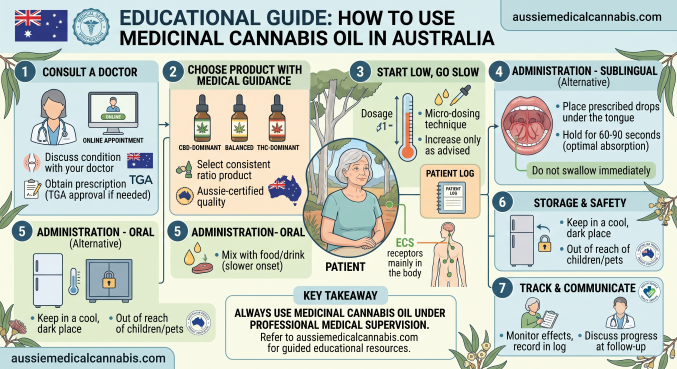
In Australia medicinal cannabis products are regulated through the Therapeutic Goods Administration (TGA) and other relevant legislation. These products are prescribed only when a qualified healthcare professional considers them clinically appropriate based on the patient’s condition, available scientific evidence, and potential benefits and risks.
This educational guide explains what cannabinoids are, how they work, their current medicinal uses, ongoing research, and Australia’s regulatory approach.
What Are Cannabinoids?
Cannabinoids are chemical compounds that interact with the body’s endocannabinoid system (ECS).
Scientists have identified more than 100 cannabinoids, but the two most extensively researched are:
- Cannabidiol (CBD) – generally considered non-intoxicating.
- Tetrahydrocannabinol (THC) – the primary psychoactive cannabinoid responsible for the “high” associated with cannabis.
Other cannabinoids continue to be investigated for possible therapeutic properties.
How Do Cannabinoids Work?
The endocannabinoid system is a complex network involved in regulating many body functions.
These include:
- Pain perception
- Mood
- Sleep
- Appetite
- Memory
- Stress responses
- Immune function
- Inflammation
CBD and THC interact with this system in different ways, which helps explain their differing therapeutic effects and side-effect profiles.
Current Medicinal Uses Being Studied
Cannabinoids are not used for every medical condition, and their suitability depends on individual clinical circumstances.
Current research focuses on several key therapeutic areas.
1. Chronic Pain
One of the most extensively studied applications of cannabinoids is chronic pain.
Research suggests selected cannabinoid medicines may help some patients with:
- Neuropathic pain
- Cancer-related pain
- Multiple sclerosis-related pain
- Persistent musculoskeletal pain
Cannabinoids are generally considered when other evidence-based treatments have not provided adequate symptom relief.
2. Treatment-Resistant Epilepsy
Prescription CBD medicines have demonstrated significant benefits for certain rare forms of treatment-resistant epilepsy.
This remains one of the strongest areas of clinical evidence supporting cannabinoid therapy.
3. Chemotherapy-Induced Nausea and Vomiting
THC-containing medicinal products have been investigated for helping manage nausea and vomiting associated with chemotherapy.
These medicines may be considered in selected patients when standard antiemetic therapies are insufficient.
4. Multiple Sclerosis-Related Spasticity
Research indicates some cannabinoid medicines may reduce:
- Muscle stiffness
- Muscle spasms
- Pain related to spasticity
Further research continues to improve understanding of which patients may benefit most.
5. Palliative Care
Cannabinoids continue to be investigated for supportive symptom management in palliative care.
Areas of research include:
- Pain
- Appetite changes
- Sleep disturbance
- Nausea
6. Anxiety Research
CBD has attracted growing interest as a possible treatment for anxiety disorders.
Although some early studies have shown promising results, larger high-quality clinical trials are still required.
7. Sleep Disorders
Researchers continue studying cannabinoids for their possible role in improving sleep quality.
Current evidence remains mixed, and further research is needed.
CBD vs THC
Although both cannabinoids originate from cannabis, they differ significantly.
| Feature | CBD | THC |
|---|---|---|
| Psychoactive | Generally no | Yes |
| Produces intoxication | No | Yes |
| Primary Research Areas | Epilepsy, anxiety, inflammation | Pain, nausea, spasticity |
| Temporary cognitive impairment | Generally uncommon | Possible |
Potential Side Effects
Like all medicines, cannabinoid products may cause side effects.
Reported side effects include:
- Fatigue
- Drowsiness
- Dry mouth
- Dizziness
- Appetite changes
- Gastrointestinal discomfort
THC-containing products may also temporarily impair concentration, coordination, and reaction time.
Who May Need Additional Caution?
Healthcare professionals may recommend additional caution for:
- Older adults
- People with cardiovascular disease
- Individuals with liver disease
- Pregnant or breastfeeding people
- Individuals with certain mental health conditions
- Patients taking multiple prescription medicines
Each treatment decision is based on an individual assessment of risks and benefits.
Educational Comparison Table
| Medical Condition | Evidence for Selected Cannabinoid Medicines | Research Status |
| Chronic Pain | Moderate evidence for some patients | Ongoing |
| Treatment-Resistant Epilepsy | Strong evidence for selected CBD medicines | Well established |
| Chemotherapy-Induced Nausea | Evidence for selected THC-containing medicines | Established for selected patients |
| Multiple Sclerosis Spasticity | Moderate evidence | Continuing |
| Anxiety Disorders | Early promising evidence | More research needed |
| Sleep Disturbance | Mixed evidence | Continuing research |
Australian Regulation
Medicinal cannabinoid products are regulated in Australia through Commonwealth legislation together with state and territory medicines laws.
Healthcare professionals consider:
- Medical history
- Previous treatments
- Current medicines
- Scientific evidence
- Potential benefits
- Potential risks
before prescribing cannabinoid medicines where appropriate.
Ongoing Scientific Research
Researchers continue investigating cannabinoids for potential roles in:
- Parkinson’s disease
- Alzheimer’s disease
- Neurodegenerative disorders
- Autoimmune diseases
- Chronic inflammatory conditions
- Cancer symptom management
- Neurological disorders
Many proposed therapeutic uses remain under active investigation.
Where to Learn More
Reliable educational information is available at https://aussiemedicalcannabis.com/
- Therapeutic Goods Administration – Medicinal Cannabis
- Australian Government Department of Health, Disability and Ageing – Medicinal Cannabis
- Healthdirect Australia
PubMed Reference
Frequently Asked Questions
1. What are cannabinoids?
Cannabinoids are naturally occurring compounds that interact with the body’s endocannabinoid system. The best-known cannabinoids are CBD and THC.
2. What medical conditions are cannabinoids being studied for?
Research has investigated cannabinoids for chronic pain, treatment-resistant epilepsy, chemotherapy-induced nausea and vomiting, multiple sclerosis-related spasticity, and selected symptoms in palliative care.
3. What is the difference between CBD and THC?
CBD is generally non-intoxicating, while THC is the primary psychoactive cannabinoid. They have different therapeutic applications and side-effect profiles.
4. Are cannabinoid medicines safe?
Like all medicines, cannabinoid products may cause side effects. Their use should be based on professional clinical assessment and current scientific evidence.
5. Are medicinal cannabinoids legal in Australia?
Yes. Cannabinoid medicines are available through Australia’s regulated therapeutic framework when prescribed in accordance with applicable laws.
Conclusion
Cannabinoids have become an important area of medical research because of their potential therapeutic applications across several health conditions. Current evidence is strongest for selected uses, including treatment-resistant epilepsy, chronic pain in some patients, chemotherapy-induced nausea and vomiting, and multiple sclerosis-related spasticity. As scientific research continues to evolve, cannabinoids remain an important focus of evidence-based medicine within Australia’s regulated healthcare system.
