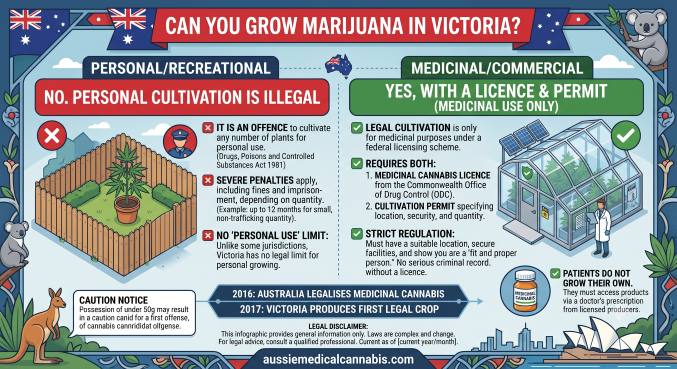
Cannabis laws in Australia can be confusing because responsibility is shared between Commonwealth and state or territory governments. In Victoria, the distinction between personal cannabis cultivation and licensed medicinal or scientific cultivation is particularly important. For individuals, growing cannabis for personal medicinal or recreational purposes is not legal in Victoria. The Victorian Department of Health […]
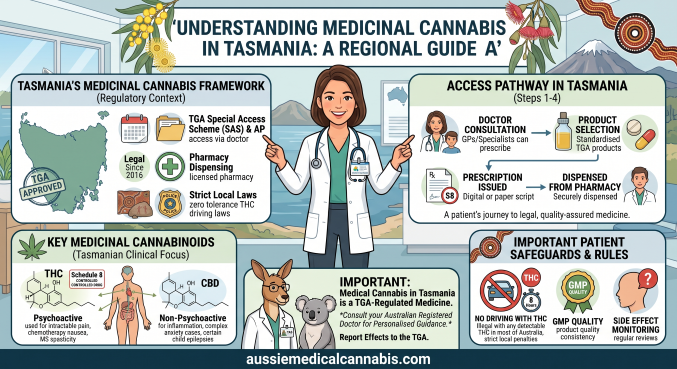
Medicinal cannabis is regulated throughout Australia under a combination of Commonwealth, state, and territory legislation. In Tasmania, medicinal cannabis forms part of the broader Australian healthcare system and is subject to regulatory oversight designed to promote patient safety, product quality, and evidence-based clinical care. Unlike recreational cannabis, medicinal cannabis is intended for therapeutic use under […]
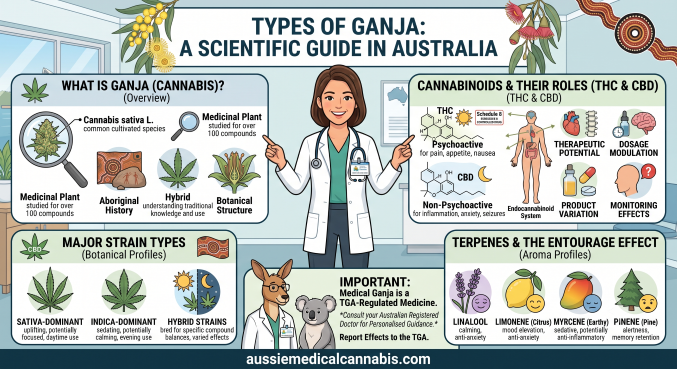
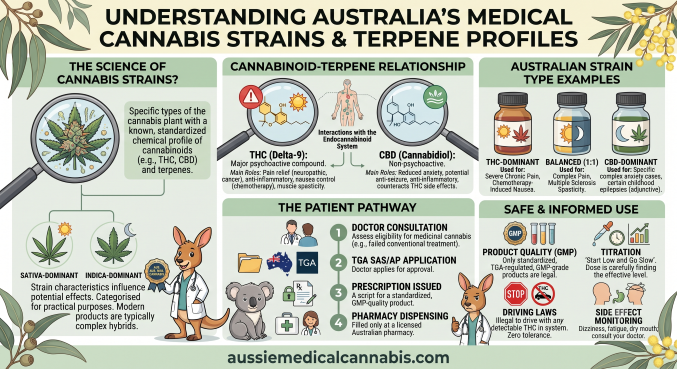
“Ganja” is a widely used informal term for cannabis. Traditionally, cannabis has been classified into categories such as Cannabis sativa, Cannabis indica, and hybrid varieties. However, advances in botanical and medical research have shown that these traditional categories do not reliably predict a product’s chemical composition or biological effects. Today, scientists and healthcare professionals place […]
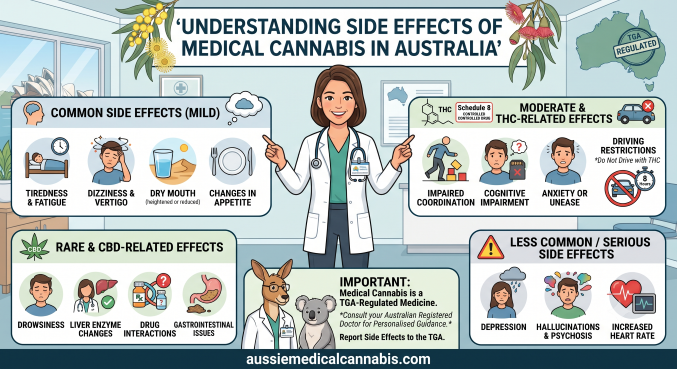
Medical marijuana, also known as medicinal cannabis, is increasingly used within Australia’s regulated healthcare system for selected medical conditions when supported by clinical evidence. Medicinal cannabis products may contain cannabidiol (CBD), tetrahydrocannabinol (THC), or a combination of both cannabinoids. While these medicines may provide therapeutic benefits for some patients, they can also cause side effects […]
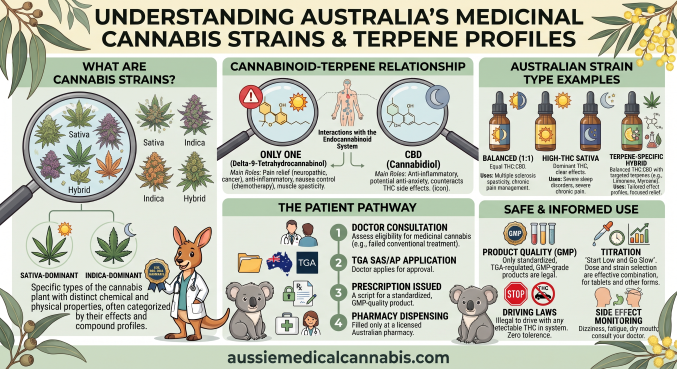
The term “ganja strain” is an informal way of referring to a particular cannabis cultivar, or cultivated variety of the cannabis plant. While strain names are widely used in popular culture and commercial markets, modern scientific research and healthcare place greater emphasis on a product’s chemical composition rather than its strain name. Researchers have found […]
The term “strain” is commonly used to describe different cultivated varieties (cultivars) of the cannabis plant. Traditionally, cannabis has been grouped into Cannabis sativa, Cannabis indica, and hybrid varieties. However, modern scientific research has shown that these traditional labels do not reliably predict a product’s chemical composition or effects. Today, healthcare professionals and researchers place […]
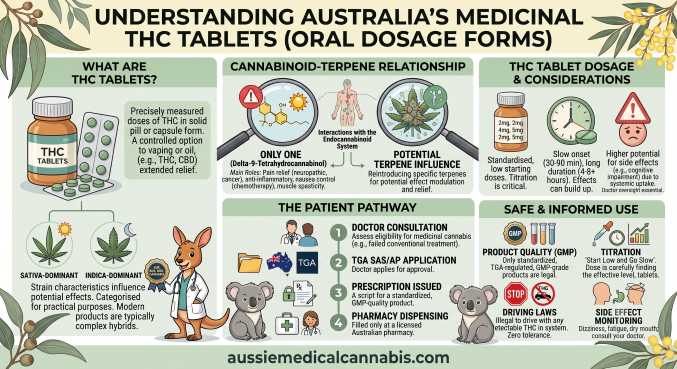
THC tablets are oral medicinal products that contain tetrahydrocannabinol (THC), the primary psychoactive cannabinoid found in the Cannabis sativa plant. Unlike inhaled cannabis, THC tablets are swallowed and absorbed through the digestive system, resulting in a different pattern of absorption and effects. In Australia, THC-containing medicinal cannabis products are regulated within the healthcare system and […]
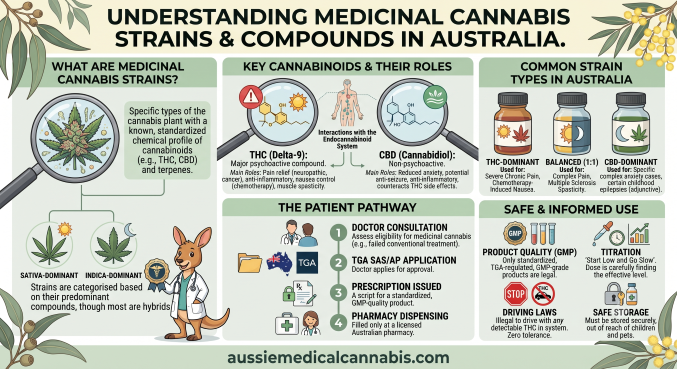
The term medical cannabis strains is commonly used to describe cannabis cultivars that are associated with medicinal cannabis products. However, modern healthcare and scientific research increasingly focus on a product’s cannabinoid profile—such as its levels of cannabidiol (CBD) and tetrahydrocannabinol (THC)—rather than relying on strain names alone. In Australia, medicinal cannabis products are regulated under […]
The phrase “medical strains of weed” is commonly used to describe cannabis varieties associated with medicinal cannabis products. However, in modern medicine and scientific research, healthcare professionals generally focus less on strain names and more on the chemical composition of a product—particularly its cannabinoid profile. In Australia medicinal cannabis products are regulated within the healthcare […]
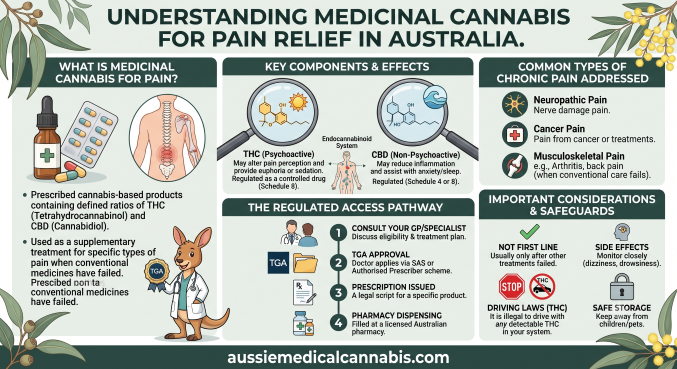
Pain is one of the most common reasons people seek medical care, and researchers continue to investigate new approaches to pain management. One area of growing interest is the use of cannabinoids—compounds found in the Cannabis sativa plant—for selected types of pain. The two best-known cannabinoids are tetrahydrocannabinol (THC) and cannabidiol (CBD), each of which […]