
Kashmir Kush Budder
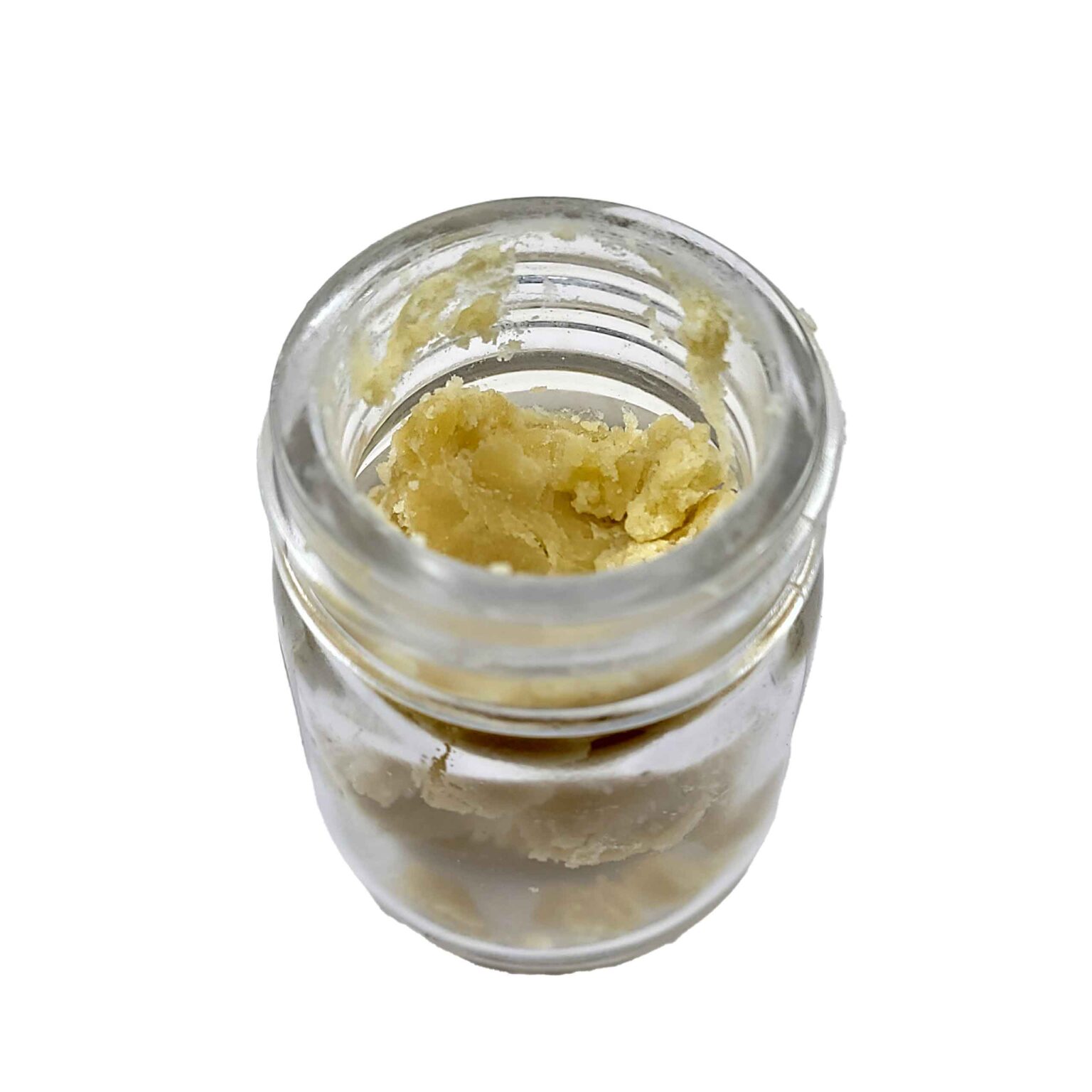
Kashmir Kush Budder is a soft cannabis concentrate associated with the Kashmir Kush cultivar. Budder is recognised for its creamy, whipped texture and concentrated resin content. However, a cultivar name does not confirm potency, purity or medical suitability. Those details depend on the individual batch, its cannabinoid profile and independent laboratory testing.
Readers researching concentrates, cannabinoids and Australian regulation can explore the medicinal cannabis education resources available through Aussie Medical Cannabis.
Quick Facts
| Feature | Educational overview |
|---|---|
| Product | Kashmir Kush Budder |
| Category | Cannabis concentrate |
| Texture | Soft, creamy or wax-like |
| Reported plant type | Commonly described as indica-leaning |
| Typical aroma | Earth, spice, pine and light citrus |
| Cannabinoids | Batch dependent |
| Terpenes | Must be confirmed by testing |
| Educational focus | Concentrates and Australian medicinal cannabis |
What Is Kashmir Kush Budder?
Budder is a type of cannabis extract processed into a soft, pliable consistency. Its texture develops during finishing, when the extracted resin is agitated or handled in a way that produces a whipped appearance.
Kashmir Kush Budder refers to budder made from, or marketed in connection with, Kashmir Kush plant material. Nevertheless, products carrying the same name can vary significantly between producers. Genetics, growing conditions, extraction, storage and age may all influence the final result.
The Therapeutic Goods Administration medicinal cannabis hub explains that medicinal cannabis in Australia is regulated as medicine and that many products supplied through special pathways remain unapproved therapeutic goods. Therefore, branding should never replace clinical assessment or verified product documentation.
Appearance, Aroma and Flavour
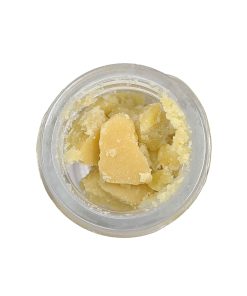
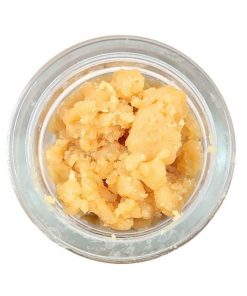
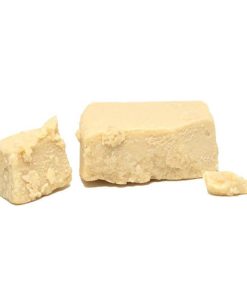
Kashmir Kush Budder may appear pale gold, yellow, amber or light brown. Depending on temperature and storage, it may feel creamy, crumbly or slightly sticky.
Reported aroma and flavour themes may include:
- Earth
- Pepper
- Pine
- Herbal spice
- Citrus peel
- Mild sweetness
These characteristics mainly reflect the product’s terpene profile. However, smell and colour cannot establish THC strength, CBD content or product safety.
Cannabinoids and Terpenes
Cannabinoids are naturally occurring cannabis compounds. THC is the main intoxicating cannabinoid, while CBD does not produce the same intoxicating effect. Minor cannabinoids such as CBG, CBC and CBN remain areas of continuing scientific research.
Possible terpenes in an earthy, Kush-style concentrate may include:
- Myrcene, associated with earthy and herbal aromas
- Beta-caryophyllene, associated with pepper and spice
- Pinene, associated with pine-like notes
- Limonene, associated with citrus aromas
- Humulene, associated with woody and herbal notes
Only laboratory analysis can confirm which compounds are present and in what concentrations.
Why Laboratory Testing Matters
A useful certificate of analysis may report:
- Total THC and CBD
- Minor cannabinoids
- Terpene concentrations
- Microbial screening
- Heavy metals
- Pesticide residues
- Residual solvents, where relevant
This information is especially important for concentrates because their cannabinoid levels may differ substantially from dried flower. In addition, the TGA has highlighted safety concerns associated with unapproved medicinal cannabis products, including uncertain quality, effectiveness, medicine interactions and possible effects on cognition.
Indica and Sativa Explained
The words indica and sativa originally relate to botanical classification and plant morphology. In popular cannabis language, however, they are often used to suggest different effects.
An indica plant is commonly described as shorter, broader and more compact, while a sativa plant is often described as taller with narrower leaves. Yet these visual categories do not reliably predict a product’s effects, THC content or medical suitability.
Modern cannabis plants are frequently hybrids. Therefore, terms such as indica weed, indica bud, sativa pot, sativa plant and sativa and indica plants are better treated as broad descriptors than precise chemical classifications.
For stronger educational accuracy, readers should focus on:
- Tested cannabinoid ratios
- Terpene results
- Product formulation
- Dose
- Individual response
- Medical history
Potential Medical Considerations
The phrase reasons for medical marijuana usually reflects interest in why cannabinoid medicines are considered in healthcare. Current evidence is stronger for some uses than others, and medicinal cannabis is not regarded as a universal or first-line treatment.
The Healthdirect medicinal cannabis guide notes that medicinal cannabis is legal but highly regulated in Australia and may be considered for selected patients under professional supervision. It may also cause side effects such as dizziness, drowsiness, nausea, dry mouth, appetite changes or confusion.
Therefore, Kashmir Kush Budder should not be presented as a treatment for any particular condition. A product name cannot establish a clinical benefit.
Medicinal Cannabinoids in Adelaide
Searches for medicinal cannabinoids Adelaide often reflect interest in how medicinal cannabis is regulated in South Australia. SA Health states that lawful medicinal cannabis may be prescribed by an authorised medical practitioner and dispensed by a pharmacist. Recreational possession, cultivation, supply and use remain restricted under South Australian law.
Additional explanations of concentrates, terpenes and Australian healthcare terminology are available through the Australian medicinal cannabis guides.
Frequently Searched Educational Terms
These phrases are listed to explain common search language, not to provide instructions for obtaining cannabis.
| Frequently searched term | Educational explanation |
| Medicinal cannabinoids Adelaide | Usually refers to educational and healthcare information about cannabinoid medicines in South Australia. |
| Weed Adelaide | A broad location-based phrase that may relate to law, public health, medicinal cannabis or recreational cannabis. |
| How to get CBD oil prescription Australia | A search about Australia’s prescription-medicine framework. Official medical guidance should be used rather than informal online instructions. |
| Medicinal amounts | A vague phrase that may refer to dosage or possession limits. These are separate issues and should not be confused. |
| Reasons for medical marijuana | Refers to the symptoms and conditions being studied in medicinal-cannabis research, not to guaranteed benefits. |
| Indica weed, indica bud, indica plant | Informal terms for cannabis described as indica or indica-leaning. Chemical testing is more informative than the label alone. |
| Sativa sativa, sativa plant, sativa pot | Search variations relating to sativa-type cannabis plants and products. |
| Sativa and indica plants | Refers to traditional botanical distinctions, although most modern commercial cultivars are hybrids. |
| Types of ganja | An informal search about cannabis varieties, cultivars, preparations or product forms. |
Frequently Asked Questions
What is Kashmir Kush Budder?
It is a soft cannabis concentrate associated with the Kashmir Kush cultivar. Its cannabinoid and terpene composition varies between batches.
Is budder the same as dried cannabis flower?
No. Budder is a concentrated extract, whereas flower is dried plant material.
Is Kashmir Kush an indica or sativa?
It is commonly described as indica-leaning, although cultivar labels do not reliably predict chemical composition or effects.
Why is laboratory testing important?
Testing confirms cannabinoid levels, terpene content and possible contamination that cannot be identified through appearance or aroma.
Where can readers find reliable Australian information?
Readers can consult the Aussie Medical Cannabis education hub, the TGA, Healthdirect and SA Health.
| Quantity | 7Grams, 14 Grams, 1 Ounce |
|---|
Be the first to review “Kashmir Kush Budder”
Related products
Buy Budder Online
Buy Budder Online
Buy Budder Online
Cannabis Tincture
Buy Budder Online
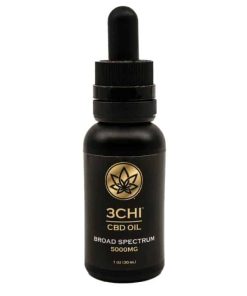
Cannabis Tincture
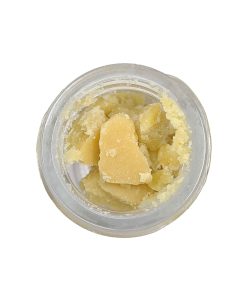
Buy Budder Online
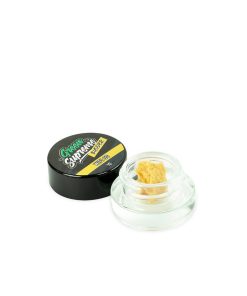
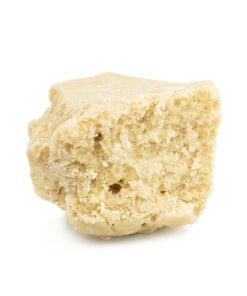
Buy Budder Online
Reviews
There are no reviews yet.