
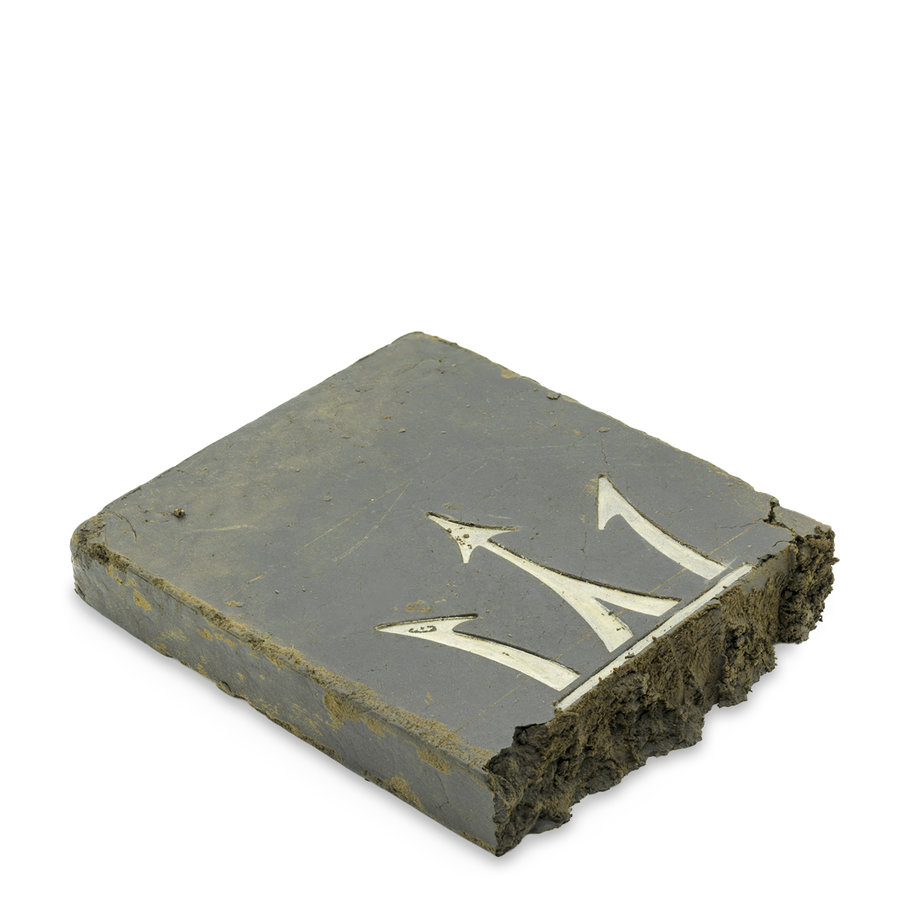
Hash Trident

$59.00
Hash Trident
Hash Trident is a concentrated cannabis-resin product that may contain THC, CBD, minor cannabinoids and aromatic terpenes. However, the product name alone does not confirm its cannabinoid profile, strength, purity or suitability for medical treatment.
Hash products can be considerably more concentrated than dried cannabis flower. Therefore, Trident Hash should not be treated as interchangeable with prescribed CBD oil, balanced cannabinoid medicine or another regulated medicinal formulation. Readers can explore Australian medicinal cannabis education for further explanations of concentrates, cannabinoids and lawful treatment pathways.
Trident Hash Quick Facts
| Feature | Educational overview |
|---|---|
| Product category | Concentrated cannabis resin |
| Possible cannabinoids | THC, CBD, CBG, CBN and CBC |
| Intoxicating potential | Depends mainly on THC content |
| Possible aroma | Earthy, herbal, woody, spicy or sweet |
| Medical suitability | Cannot be determined from the product name |
| Canberra regulation | Commonwealth and ACT requirements apply |
| South Australian access | Prescription and lawful pharmacy supply are required |
| Main safety priority | Verified composition and clinical supervision |
What Is Trident Hash?
Hash is usually produced by separating resin-rich trichomes from cannabis flowers and compressing or processing them into a concentrated material. Trichomes contain much of the plant’s cannabinoid and terpene content, so hash may contain a higher concentration of active compounds than untreated flower.
Trident Hash may contain:
- Tetrahydrocannabinol, or THC
- Cannabidiol, or CBD
- Cannabigerol, or CBG
- Cannabinol, or CBN
- Cannabichromene, or CBC
- Naturally occurring terpenes
Nevertheless, similarly named products may differ significantly between producers and batches. For this reason, branding, texture and aroma are not reliable indicators of cannabinoid strength.
Possible Appearance and Aroma
Trident Hash may appear golden brown, medium brown, dark brown or almost black. Depending on its production and storage, it may be soft, pressed, sticky, dry or crumbly.
Potential aroma characteristics include:
- Earthy notes
- Herbal scents
- Woody undertones
- Pepper-like aromas
- Sweet notes
- Mild citrus characteristics
Although these qualities can describe the product, they cannot reveal whether it contains contaminants or accurately labelled cannabinoid concentrations.
Why Laboratory Testing Matters
A meaningful laboratory report may provide information about:
- Total THC
- Total CBD
- Minor cannabinoids
- Terpene content
- Pesticides
- Heavy metals
- Microbial contamination
- Residual solvents
- Batch consistency
A high THC concentration may increase intoxication, anxiety, impaired coordination, memory problems and driving risk. Therefore, concentrated products require particular caution.
Trident Hash Versus Prescribed Medicinal Cannabis
| Feature | Trident Hash | Regulated medicinal product |
| Form | Concentrated resin | Oil, capsule, flower, spray or another formulation |
| Cannabinoid content | May be uncertain without testing | Labelled per dose or unit |
| THC potential | Can be high | Selected according to clinical need |
| Prescribing | Product name does not establish medical use | Supplied following lawful prescribing |
| Monitoring | Not guaranteed outside regulated care | Follow-up should form part of treatment |
| Quality information | Depends on batch documentation | Pharmaceutical and regulatory standards apply |
Medical Cannabis Canberra
Medical cannabis in Canberra is legally distinct from recreational or informally supplied cannabis. In the Australian Capital Territory, medicinal products remain controlled medicines even though the ACT has limited personal-cannabis possession laws for adults.
Personal-use reforms do not create a legal retail cannabis market, nor do they remove Commonwealth medicinal-product requirements. Prescribed medicinal cannabis must still be supplied through an authorised healthcare and pharmacy pathway.
The TGA medicinal cannabis hub explains that patients may be able to access medicinal cannabis through a pharmacy after receiving a prescription from a medical or nurse practitioner. Most products are supplied through established pathways for unapproved therapeutic goods.
A practitioner assessing a Canberra patient may consider:
- The diagnosed condition
- Current symptoms
- Previous treatments
- Other medicines
- Mental health history
- Substance-use history
- Driving responsibilities
- Workplace safety
- Expected benefits
- Possible adverse effects
A consultation does not guarantee a prescription. Instead, the practitioner must decide whether the treatment is evidence-supported and clinically appropriate.
Canberra Cannabis Rules and Controlled Medicines
Medicinal cannabis products containing THC are commonly controlled medicines. ACT health authorities explain that controlled and monitored medicines are strictly regulated to reduce individual harm and protect public health.
Patients should understand that a prescription does not automatically permit:
- Impaired driving
- Sharing medicine
- Supplying medicine to another person
- Using more than prescribed
- Carrying unlabelled cannabis products
- Importing products independently
The prescribed medicine should remain in its original pharmacy-labelled packaging and be used only according to the practitioner’s instructions.
Medicinal Cannabinoids South Australia
Medicinal cannabinoids in South Australia include pharmaceutical formulations containing CBD, THC or a combination of both. They may be provided as oils, capsules, dried flower, sprays or other authorised forms.
Common categories include:
| Formulation | General description |
| CBD dominant | Contains primarily cannabidiol |
| THC dominant | Contains a higher concentration of THC |
| Balanced | Contains measurable CBD and THC |
| Isolate | Primarily contains one purified cannabinoid |
| Full-spectrum | Contains several cannabinoids and plant compounds |
Patients in South Australia may access medicinal cannabis on prescription from an authorised practitioner, with the medicine then dispensed by a pharmacist. The SA Health patient-access guidance describes this regulated pathway.
Medical practitioners in South Australia must also comply with applicable state and Commonwealth requirements, particularly when prescribing Schedule 8 cannabinoid medicines.
Readers can find more background on medicinal cannabinoid types and Australian regulations through the site’s educational resources.
How Can You Get a Medical Weed Card?
Australia does not operate a single national medical marijuana card system comparable to programs used in some overseas jurisdictions.
A patient generally does not begin by applying independently for a government cannabis card. Instead, the lawful process ordinarily involves:
- Consulting a registered healthcare practitioner
- Discussing the condition and treatments already attempted
- Completing a medical and medication review
- Considering potential benefits and risks
- Receiving a prescription only when clinically appropriate
- Obtaining the prescribed medicine from a pharmacy
- Attending follow-up reviews
Therefore, advertisements offering an instant “medical weed card” may oversimplify the Australian system.
The TGA explains that individual patients cannot directly apply for access to unapproved medicinal cannabis. Access is arranged through an appropriately registered practitioner using a relevant legal pathway.
What Is the Special Access Scheme?
The Special Access Scheme allows certain registered health practitioners to request access to unapproved therapeutic goods for an individual patient.
Under this pathway, the practitioner considers:
- The patient’s condition
- Clinical justification
- Existing evidence
- Treatment history
- Product category
- Dosage and monitoring
- Potential adverse effects
The pathway is not a product recommendation or automatic approval for every patient.
What Is an Authorised Prescriber?
An Authorised Prescriber is a medical practitioner authorised to prescribe specified unapproved therapeutic goods to a defined class of patients without submitting an individual Special Access Scheme application for every person.
The TGA Authorised Prescriber Scheme data describes the scheme and publishes aggregated approval information. It should not be interpreted as a promotional directory of preferred cannabis doctors.
Weed Adelaide
The phrase “weed Adelaide” can refer to both unlawful recreational cannabis and lawful medicinal cannabis. These categories should not be confused.
In Adelaide:
- Recreational cannabis remains restricted
- Medicinal cannabis requires clinical assessment
- A lawful prescription is required
- Pharmacy dispensing is normally required
- THC products may be classified as Schedule 8 medicines
- Driving laws continue to apply
- A prescription does not authorise supply to another person
Educational content should therefore distinguish between general cannabis terminology and regulated medicinal treatment.
Authorised Prescriber Adelaide
An authorised prescriber in Adelaide is a medical practitioner who has obtained authority to prescribe particular unapproved therapeutic goods to a specified patient group.
However, patients do not necessarily need to locate someone advertising themselves as an “authorised prescriber” before discussing medicinal cannabis. A registered practitioner may consider different legal pathways depending on the patient and medicine.
The practitioner should:
- Review the person’s medical history
- Confirm the clinical indication
- Evaluate previous treatments
- Discuss alternative therapies
- Assess interactions
- Explain THC-related impairment
- Create measurable treatment goals
- Arrange follow-up
- Stop treatment when risks exceed benefits
The Ahpra medicinal cannabis prescribing guidance states that prescribing should be based on an evidence-supported clinical indication and should generally occur after other treatments have not been effective.
Medical Cannabis Safety
Possible adverse effects may include:
- Drowsiness
- Dizziness
- Dry mouth
- Reduced concentration
- Anxiety
- Nausea
- Changes in appetite
- Impaired coordination
- Increased heart rate
- Medicine interactions
THC-containing medicines can impair driving and other safety-sensitive activities. CBD may also interact with medicines metabolised by the liver.
Patients should disclose all prescription medicines, non-prescription products and supplements to their practitioner and pharmacist.
Frequently Asked Questions
What is Trident Hash?
Trident Hash is a concentrated cannabis-resin product that may contain THC, CBD, minor cannabinoids and terpenes. Its exact composition cannot be confirmed without laboratory testing.
Is medical cannabis legal in Canberra?
Yes, medicinal cannabis may be legally prescribed and supplied through regulated healthcare pathways. It is not an unrestricted retail product.
Does Australia issue a medical weed card?
Australia does not have one universal national cannabis-card system. Patients generally require a clinical assessment, prescription and pharmacy supply.
Can any doctor prescribe medicinal cannabis in Adelaide?
Registered practitioners may consider medicinal cannabis within their professional scope, but they must comply with the applicable access, prescribing and safety requirements.
Is an authorised prescriber the same as a cannabis clinic?
No. Authorised Prescriber is a regulatory status connected to specified unapproved medicines and patient groups. It is not another name for a commercial clinic.
Is medicinal cannabis the same as recreational weed?
No. Medicinal cannabis is prescribed for a clinical purpose and supplied through a regulated pathway. Recreational cannabis is governed by separate criminal and public-health laws.
Where to Explore Educational Information
Visit Aussie Medical Cannabis for further educational information about Trident Hash, cannabinoid formulations, Canberra regulations, South Australian prescribing and patient safety.
Treatment decisions should always be made with a registered medical or nurse practitioner who can assess the patient’s health history, current medicines and individual factors.
| Quantity | 7G |
|---|
Be the first to review “Hash Trident” Cancel reply
Related products
Hash

Hash

Hash
Hash
Reviews
There are no reviews yet.