
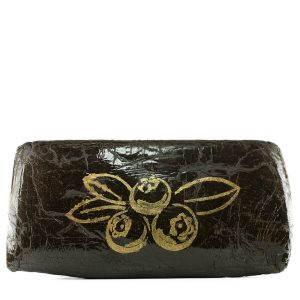
Hash Blueberry
Hash Blueberry is a name commonly associated with a concentrated cannabis-resin product that may have sweet, fruity or berry-like aromatic characteristics. However, the name does not confirm its genetics, cannabinoid concentration, medical quality or suitability for any health condition.
Hash products may contain concentrated THC, CBD, minor cannabinoids and terpenes. Consequently, Blueberry Hash should not be confused with regulated CBD oil, prescribed cannabis oil or purified cannabidiol medicine. Readers can explore Australian medicinal cannabis education for additional explanations of cannabinoid products and Australia’s prescribing framework.
Blueberry Hash Quick Facts
| Feature | Educational overview |
|---|---|
| Product category | Concentrated cannabis resin |
| Possible cannabinoids | THC, CBD, CBG, CBC and CBN |
| Likely intoxicating potential | Depends mainly on THC concentration |
| Possible aroma | Berry, sweet, earthy, herbal or woody |
| Medical status | Cannot be established from the product name |
| CBD oil equivalent | No |
| Australian supply | Medicinal products require a lawful healthcare pathway |
| Main safety concern | Unknown strength, contaminants or inaccurate labelling |
What Is Blueberry Hash?
Hash is usually produced by collecting cannabinoid-rich trichomes from cannabis flowers and compressing or processing the resin into a concentrated material.
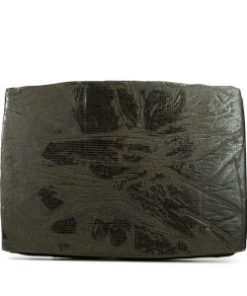
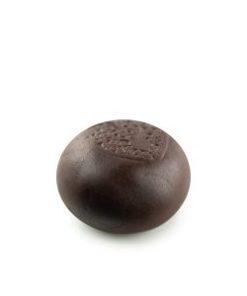
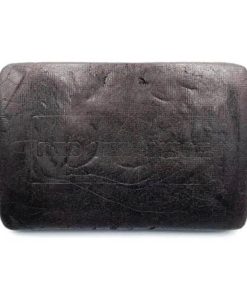
Depending on the source and production process, a product described as Blueberry Hash may appear:
- Golden brown
- Medium brown
- Dark brown
- Soft and pliable
- Dry and crumbly
- Firmly pressed
- Slightly sticky
Its aroma may include berry-like sweetness, earthiness, mild spice or herbal notes. Nevertheless, colour, scent and texture cannot reveal whether a product has been tested for cannabinoid content, pesticides, solvents, mould or heavy metals.
Blueberry Hash Versus CBD Oil
| Feature | Blueberry Hash | CBD oil |
| Form | Concentrated resin | Liquid formulation |
| Main cannabinoids | May contain substantial THC and CBD | Usually CBD dominant |
| Intoxicating potential | Potentially significant | CBD itself is not intoxicating |
| Dose consistency | Uncertain without testing | Measured per millilitre |
| Intended administration | Depends on product | Usually oral |
| Medical suitability | Requires individual assessment | Requires individual assessment |
| Interchangeable | No | No |
CBD Australia
CBD, or cannabidiol, is one of the principal cannabinoids found in cannabis. Unlike THC, CBD does not ordinarily produce the intoxicating “high” associated with cannabis.
However, CBD intended for therapeutic use is regulated as a medicine in Australia. It should not be treated as an ordinary wellness supplement simply because similar products may be sold freely in some other countries.
The Therapeutic Goods Administration medicinal cannabis hub explains Australia’s access pathways and regulatory requirements. Patients may legally obtain medicinal cannabis from a pharmacy when they hold an appropriate prescription from a medical or nurse practitioner.
CBD Oil in Australia
CBD oil is usually formulated by dissolving cannabidiol in a carrier oil. Common carriers may include medium-chain triglyceride oil or another pharmaceutical-grade base.
A properly labelled medicinal product should identify:
- CBD concentration per millilitre
- Any measurable THC content
- Bottle volume
- Batch number
- Expiry date
- Storage instructions
- Prescribed directions
Most medicinal cannabis products supplied in Australia are unapproved therapeutic goods. This means they have not been individually evaluated by the TGA in the same way as medicines entered on the Australian Register of Therapeutic Goods. Access generally occurs through the Special Access Scheme or Authorised Prescriber pathway.
What Does “AU CBD” Mean?
“AU CBD” is an informal search phrase rather than a recognised medical product category. It may refer to cannabidiol products promoted to Australian consumers, CBD prescribing rules or Australian-manufactured formulations.
The phrase does not confirm:
- TGA approval
- Pharmaceutical quality
- Legal supply
- Accurate potency
- Absence of THC
- Suitability for a medical condition
Patients should assess medicines according to their labelled composition, regulatory status and clinical suitability, not marketing terms.
Best CBD Oil Australia
There is no single best CBD oil for every Australian patient. A suitable formulation depends on the person’s diagnosis, symptoms, previous treatment, current medicines, age, liver health, pregnancy status, driving responsibilities and risk of adverse effects.
A practitioner may compare:
- CBD concentration
- Presence of THC
- Carrier ingredients
- Product format
- Dosing precision
- Batch documentation
- Treatment cost
- Possible interactions
- Clinical evidence
Therefore, “best” should mean clinically appropriate and safely monitored, not simply the highest concentration or most heavily advertised option.
Ahpra’s medicinal cannabis guidance stresses that patient wellbeing must come before commercial interests and warns that poor prescribing can result in significant harm.
Cannabis Oil Australia
Cannabis oil is a broad term that may describe a liquid formulation containing CBD, THC or a combination of cannabinoids.
Common categories include:
| Oil category | General composition |
| CBD dominant | Primarily cannabidiol |
| THC dominant | Higher proportion of THC |
| Balanced oil | Meaningful amounts of CBD and THC |
| Isolate oil | Primarily one purified cannabinoid |
| Full-spectrum oil | Several cannabinoids and plant compounds |
| Broad-spectrum oil | Several compounds with little or no THC |
THC-containing products can cause intoxication, impaired coordination, drowsiness and altered concentration. CBD does not produce the same high, although it can still cause adverse effects and interact with medicines. Healthdirect notes that medicinal cannabis effects can include dizziness, fatigue, confusion, nausea, dry mouth and appetite changes.
Cannabidiol Shops and Online Product Claims
The phrase “cannabidiol shop” may suggest that CBD can be purchased like an ordinary retail supplement. However, therapeutic CBD products remain regulated in Australia.
Australian prescription medicines cannot be promoted to the public in the same way as standard consumer goods. Current TGA guidance explains that prescription-medicine advertising is subject to legal restrictions.
Consumers should be cautious when a website:
- Guarantees treatment approval
- Claims CBD cures multiple illnesses
- Offers unlabelled cannabinoid oils
- Conceals THC content
- Provides no batch testing
- Uses overseas rules to describe Australian legality
- Encourages treatment without a proper consultation
Buy Cannabinoid Oil and Buy CBD
Search phrases such as “buy cannabinoid oil,” “buy CBD” or “CBD cannabidiol buy” should be understood through Australia’s regulated medical framework.
The lawful process generally involves:
- Consulting a registered medical or nurse practitioner
- Discussing symptoms and diagnosis
- Reviewing previous treatments
- Screening for medicine interactions and contraindications
- Considering whether a cannabinoid formulation is appropriate
- Receiving a prescription where clinically justified
- Obtaining the prescribed medicine through a pharmacy
- Attending follow-up reviews
Individual patients cannot apply directly to the TGA for medicinal cannabis access. The practitioner manages the applicable regulatory pathway.
CBD Oil Sydney
CBD oil in Sydney is governed by Commonwealth and New South Wales medicine rules. Sydney does not have a separate recreational CBD retail system for therapeutic products.
NSW Health classifies qualifying CBD preparations as Schedule 4 prescription-only medicines when CBD constitutes at least 98% of the cannabinoid content and other cannabinoids account for no more than 2%. Therapeutic THC preparations are generally Schedule 8 controlled medicines.
Additional NSW approval may be necessary in specific high-risk circumstances, including certain Schedule 8 prescribing situations.
Readers can find broader explanations through the site’s Australian CBD and cannabis-oil resources.
CBD Oil Perth
CBD oil in Perth is regulated under both Australian and Western Australian requirements.
Western Australian health guidance states that medical and nurse practitioners may prescribe medicinal cannabis when they consider it suitable and hold any required approvals. A valid prescription may be dispensed by a Western Australian pharmacy.
Some high-risk circumstances require additional authorisation, particularly for certain Schedule 8 products or patients with specified risk factors.
This means Perth residents should begin with an appropriate clinical assessment rather than attempting to determine eligibility from an online product listing.
CBD Products Australia
Medicinal CBD products can differ in concentration, cannabinoid profile, formulation and regulatory category.
Possible forms include:
- Oral oils
- Capsules
- Oral solutions
- Oromucosal sprays
- Registered cannabidiol medicines
- Unapproved prescription formulations
The TGA maintains a medicinal cannabis product list to help prescribers and pharmacists match products with the relevant Special Access Scheme or Authorised Prescriber category. It is intended as a professional prescribing and supply resource, not a public shopping catalogue.
What Is Pure CBD Oil?
“Pure CBD oil” commonly refers to a formulation in which CBD makes up nearly all of the cannabinoid content. However, the word “pure” can be used loosely in marketing.
A credible product should provide evidence concerning:
- CBD concentration
- THC concentration
- Other cannabinoids
- Pesticides
- Heavy metals
- Microbial contamination
- Residual solvents
- Batch consistency
Pure CBD oil is not the same as hemp-seed oil. Hemp-seed oil is primarily a food ingredient and generally does not provide therapeutic CBD concentrations. Western Australian health guidance lists hemp-seed oil among permitted low-THC hemp foods, which are distinct from medicinal cannabinoid products.
CBD Oil: Where to Buy Legally
The appropriate Australian question is not which informal seller offers CBD oil, but how a patient can access a regulated medicine lawfully.
The standard pathway is:
- Clinical consultation
- Individual risk assessment
- Prescription when appropriate
- Pharmacy dispensing
- Product counselling
- Ongoing medical review
Medicinal cannabis should remain in its original pharmacy-labelled container and should not be shared with another person.
Frequently Asked Questions
What is Blueberry Hash?
Blueberry Hash is a concentrated cannabis-resin product name associated with sweet or berry-like aromatic characteristics. Its actual cannabinoid profile requires laboratory testing.
Is Blueberry Hash the same as pure CBD oil?
No. Hash may contain substantial THC, whereas pure CBD oil is formulated primarily with cannabidiol in a measured liquid form.
Can CBD oil be prescribed in Sydney?
Yes. A registered practitioner may prescribe CBD oil when it is clinically appropriate and regulatory requirements are satisfied.
Can CBD oil be prescribed in Perth?
Yes. Medical and nurse practitioners in Western Australia may prescribe medicinal cannabis when appropriate and when required approvals are in place.
Can patients buy CBD directly from the TGA?
No. Patients cannot apply directly to the TGA. Access is managed by an appropriate registered practitioner and supplied through a pharmacy.
Are all CBD products THC free?
No. Some products may contain small or significant amounts of THC. Patients should check the labelled cannabinoid profile.
Where to Explore Educational Information
Visit Aussie Medical Cannabis for further educational information about Blueberry Hash, CBD oil, cannabinoid formulations, Sydney requirements, Perth prescribing and Australian medicine regulation.
CBD product selection should be based on clinical need, verified composition and professional monitoring, not informal product rankings or unverified online claims.
| Quantity | 7G, 14G, 28G |
|---|
Be the first to review “Hash Blueberry”
Related products
Hash
Hash
Hash
Reviews
There are no reviews yet.