
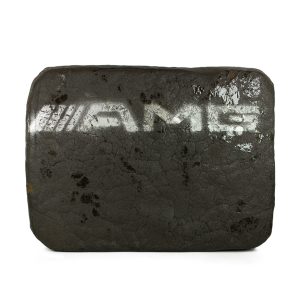
AMG Hash
AMG Hash is a name used to describe a concentrated cannabis resin product that may contain varying amounts of cannabidiol (CBD), tetrahydrocannabinol (THC), minor cannabinoids and naturally occurring terpenes. While product names often attract attention, they do not indicate the exact cannabinoid profile, potency, purity or medical suitability.
Medicinal cannabis products supplied in Australia differ significantly from informal cannabis concentrates because they are manufactured under regulated quality standards, prescribed by registered healthcare professionals and dispensed through authorised pharmacies. Patients wishing to understand medicinal cannabis can explore additional educational resources through Aussie Medical Cannabis.
Quick Facts
| Topic | Educational Information |
|---|---|
| Product | AMG Hash |
| Category | Cannabis resin concentrate |
| Main cannabinoids | CBD, THC, CBG, CBC and CBN |
| Australian status | Prescription medicines require lawful prescribing |
| Clinical supervision | Recommended |
| Pharmacy supply | Required for prescribed medicines |
| Product quality | Laboratory testing improves consistency |
| Purpose | Educational understanding of cannabinoid medicines |
What Is AMG Hash?
Hash is produced by collecting resin-rich trichomes from cannabis flowers before compressing them into a concentrated form.
Depending on the manufacturing process, AMG Hash may contain:
- Cannabidiol (CBD)
- Tetrahydrocannabinol (THC)
- Cannabigerol (CBG)
- Cannabichromene (CBC)
- Cannabinol (CBN)
- Naturally occurring terpenes
However, similarly named products may differ considerably in cannabinoid concentration and quality. Consequently, laboratory-tested medicinal products are more reliable than product names alone.
Why Laboratory Testing Matters
Quality testing may include:
- CBD concentration
- THC concentration
- Minor cannabinoids
- Terpene profile
- Heavy metals
- Pesticides
- Residual solvents
- Microbial contamination
- Batch consistency
The Therapeutic Goods Administration (TGA) Medicinal Cannabis Hub explains Australia’s medicinal cannabis framework, prescribing pathways and patient information.
CBD Meaning Australia
CBD stands for Cannabidiol, one of the major naturally occurring cannabinoids found in the cannabis plant.
Unlike THC, cannabidiol does not usually produce the intoxicating “high” commonly associated with cannabis.
In Australia, CBD products intended for therapeutic use are regulated as medicines. Depending on their formulation, they may require a prescription from a registered healthcare professional.
The Healthdirect Australia Medicinal Cannabis Guide explains that CBD and THC are different cannabinoids with different effects and potential therapeutic applications.
CBD Full Form Australia
The full meaning of CBD is:
CBD = Cannabidiol
Cannabidiol is one of more than one hundred cannabinoids identified within the cannabis plant.
Researchers continue studying cannabidiol because it may influence several biological systems, including the body’s endocannabinoid system.
Importantly, CBD should not be confused with THC because they have different pharmacological properties.
What Does CBD Stand For in Melbourne?
The answer is the same throughout Australia.
Whether someone lives in:
- Melbourne
- Sydney
- Brisbane
- Perth
- Adelaide
- Hobart
- Canberra
CBD still stands for Cannabidiol when discussing medicinal cannabis.
However, people should be aware that CBD may also refer to a Central Business District when discussing Australian cities.
Consequently, understanding the context of the conversation is important.
What Does CBD Stand For in Sydney?
Likewise, in Sydney, CBD may have two common meanings:
| CBD Meaning | Context |
| Cannabidiol | Medicinal cannabis discussions |
| Central Business District | City centre or business district |
This distinction helps avoid confusion when reading Australian health information or local news.
What Does CBD Oil Feel Like?
Patients frequently ask what CBD oil feels like.
Responses vary considerably because every individual reacts differently.
Some patients report experiencing:
- Relaxation
- Calmness
- Reduced discomfort
- Mild sleepiness
- No noticeable sensation
Others may notice very little immediate change.
Importantly, CBD should not automatically be expected to produce dramatic effects. Clinical response depends on factors including:
- Dose
- Individual metabolism
- Medical condition
- Other medications
- Product formulation
The Australian Health Practitioner Regulation Agency (Ahpra) encourages healthcare professionals to discuss realistic treatment expectations with patients before prescribing cannabinoid medicines.
Does CBD Tea Get You High?
CBD itself is generally considered non-intoxicating.
Consequently, a beverage containing only cannabidiol is not generally expected to produce the “high” associated with THC.
However, the overall effect depends on the product’s cannabinoid composition. Products containing measurable amounts of THC may produce intoxicating effects and may impair activities such as driving.
Therefore, consumers should check product information carefully and only use prescribed cannabinoid products according to medical advice.
CBD Effects on the Brain
Cannabidiol (CBD) interacts with the body’s endocannabinoid system, which helps regulate functions such as mood, sleep, pain perception, memory and immune activity. Unlike THC, CBD does not directly produce the intoxicating effects commonly associated with cannabis.
Researchers continue studying how CBD influences the brain, although many questions remain under investigation. Current evidence suggests that CBD may affect several signalling pathways involved in stress responses, inflammation and neuronal communication. However, responses vary between individuals and depend on factors such as dose, product formulation, medical condition and other medicines being taken.
Possible effects reported by some patients include:
- A feeling of relaxation
- Reduced anxiety in certain situations
- Improved sleep in some individuals
- Mild drowsiness
- Changes in alertness
At the same time, CBD can also cause unwanted effects in some people, including fatigue, diarrhoea, appetite changes and interactions with prescription medicines. Therefore, treatment should always occur under appropriate medical supervision.
The Therapeutic Goods Administration (TGA) – Medicinal Cannabis Information for Patients explains that medicinal cannabis products may produce side effects and should only be used according to healthcare professional advice.
CBD Compared With THC
| Feature | CBD (Cannabidiol) | THC (Tetrahydrocannabinol) |
|---|---|---|
| Produces a “high” | Generally no | Yes, may be intoxicating |
| Prescription in Australia | Depends on formulation | Regulated prescription medicine |
| May impair driving | Usually less likely, depending on the product | Yes, impairment is a significant concern |
| Common medical interest | Cannabinoid medicine research | Cannabinoid medicine research |
| Clinical monitoring | Recommended | Essential |
Although both cannabinoids come from the cannabis plant, they are not interchangeable and may have different therapeutic roles.
What Does Pot Look Like?
The term “pot” is an informal name for cannabis. Its appearance varies depending on the form of the product.
Examples include:
| Product | General Appearance |
| Dried flower | Green or green-brown plant material with visible buds |
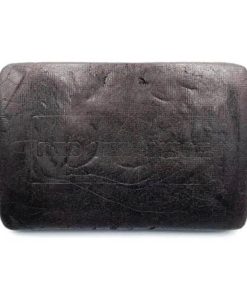
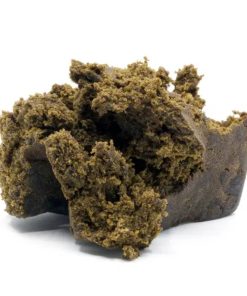
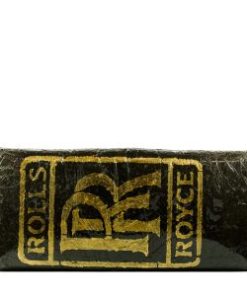
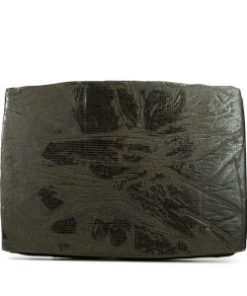
| Hash | Compressed resin ranging from light brown to dark brown |
| Cannabis oil | Thick liquid in a bottle or syringe |
| Capsules | Standard pharmaceutical capsules |
| Prescription flower | Packaged dried flower supplied through pharmacies |
Appearance alone cannot determine:
- THC concentration
- CBD concentration
- Product quality
- Safety
- Medical suitability
- Presence of contaminants
For this reason, regulated medicinal cannabis products undergo laboratory testing and quality assurance before being supplied through Australian healthcare pathways.
Responsible Use of Medicinal Cannabis
Healthcare professionals generally recommend that patients:
- Follow the prescribed dose carefully.
- Attend scheduled follow-up appointments.
- Discuss any side effects promptly.
- Avoid changing products without medical advice.
- Inform their healthcare provider about all other medicines and supplements.
- Store medicinal cannabis safely and according to product instructions.
These steps help support safe and effective treatment while reducing the likelihood of avoidable adverse effects.
Why Medical Supervision Is Important
Medicinal cannabis affects each patient differently. Consequently, healthcare professionals monitor treatment to determine whether therapeutic goals are being achieved and whether adjustments are necessary.
A clinician may review:
- Symptom improvement
- Side effects
- Medicine interactions
- Daily functioning
- Driving considerations
- Sleep quality
- Overall treatment goals
This ongoing review helps ensure that cannabinoid therapy remains appropriate over time.
Additional educational information about medicinal cannabis products, Australian prescribing pathways and cannabinoid medicines is available through Aussie Medical Cannabis.
Frequently Asked Questions
What is AMG Hash?
AMG Hash is a name associated with a cannabis resin concentrate. The name itself does not identify cannabinoid content, potency or therapeutic suitability.
What does CBD stand for?
CBD stands for Cannabidiol, one of the principal cannabinoids naturally found in the cannabis plant.
Does CBD oil make you feel high?
CBD itself is generally regarded as non-intoxicating. Products containing THC, however, may produce intoxicating effects and impair activities such as driving.
Does CBD affect the brain?
CBD interacts with the body’s endocannabinoid system and is being studied for its potential effects on several neurological pathways. Individual responses differ and research is ongoing.
What does pot look like?
Cannabis may appear as dried flowers, compressed hash, oils, capsules or other regulated medicinal formulations. Appearance alone cannot determine product quality or cannabinoid concentration.
Where can patients learn more about medicinal cannabis in Australia?
Reliable educational information is available from Aussie Medical Cannabis together with official Australian government health resources.
Where to Explore Educational Information
To continue learning about cannabidiol, cannabinoid medicines, medicinal cannabis regulations and Australian prescribing pathways, visit Aussie Medical Cannabis.
Additional trusted resources include:
- Therapeutic Goods Administration – Medicinal Cannabis Hub
- Healthdirect Australia – Medicinal Cannabis
- Australian Health Practitioner Regulation Agency – Medicinal Cannabis Prescribing Guidance
- Queensland Health – Medicinal Cannabis Information
These Australian authority resources provide current information about cannabinoid medicines, prescribing standards, patient safety and medicinal cannabis regulation.
| Quantity | 7G, 14G, 28G |
|---|
Be the first to review “AMG Hash”
Related products
Hash

Hash
Reviews
There are no reviews yet.