
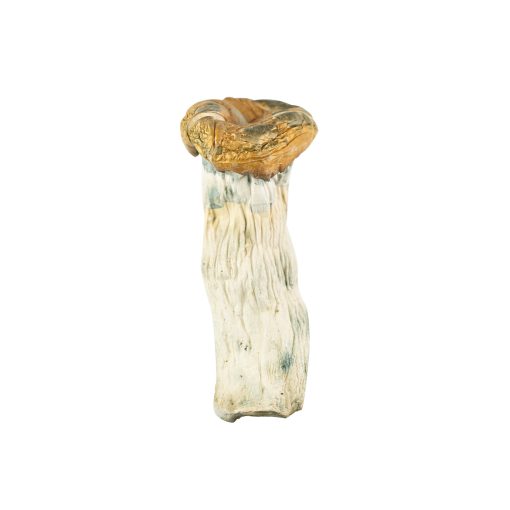
Golden Thrasher Mushroom
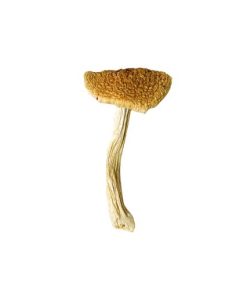
Golden Thrasher Mushroom is a name commonly associated with a cultivated variety related to Psilocybe cubensis that is discussed within mycology and fungal taxonomy. It is recognised for its distinctive appearance and is primarily studied from a scientific and educational perspective rather than as a culinary mushroom.
Although mushrooms belong to the same biological kingdom, they differ greatly in their taxonomy, ecology and practical uses. Some mushrooms are widely cultivated as nutritious foods, while others are discussed primarily in scientific research and fungal education. Consequently, understanding mushroom diversity helps improve public awareness and supports safe identification practices.
Readers interested in Australia’s medicinal cannabis framework can also visit Aussie Medical Cannabis to learn more about cannabinoids, medicinal cannabis products and Australian healthcare regulations.
Quick Facts
| Feature | Golden Thrasher Mushroom | Common Edible Mushrooms |
|---|---|---|
| Kingdom | Fungi | Fungi |
| Scientific association | Psilocybe cubensis variety | Various edible species |
| Primary interest | Mycological education | Nutrition and cooking |
| Commercial food use | Not regarded as a culinary mushroom | Yes |
| Australian context | Scientific education | Everyday food ingredient |
Scientific Background
Golden Thrasher Mushroom is generally regarded within mycological communities as a cultivated variety associated with Psilocybe cubensis. Like other fungi, it develops from microscopic spores before producing fruiting bodies under suitable environmental conditions.
Environmental factors such as:
- Temperature
- Humidity
- Airflow
- Substrate
- Genetics
can all influence its appearance.
Because of this variation, mushroom identification should rely on proper scientific methods rather than visual appearance alone.
Physical Characteristics
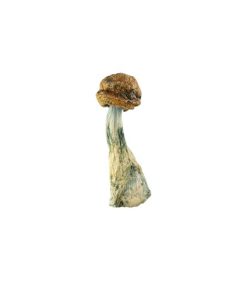
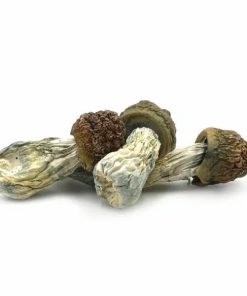
Golden Thrasher Mushroom is commonly described as having:
- Thick stem
- Rounded cap
- Cream to golden colouring
- Dense fruiting body
- Purple-brown spores at maturity
- Fibrous internal tissue
These characteristics vary according to environmental conditions and genetics.
Understanding Edible Mushrooms
Australia produces and consumes several popular edible mushroom species, including:
- White button mushrooms
- Portobello mushrooms
- Swiss brown mushrooms
- Oyster mushrooms
- Shiitake mushrooms
- Enoki mushrooms
Each species has unique nutritional characteristics and culinary uses.
Therefore, mushroom names should not be used to assume nutritional value or biological similarity.
Blue Oyster Mushroom
Blue oyster mushrooms are edible fungi belonging to the Pleurotus genus.
They are recognised for:
- Blue-grey colouring when young
- Fan-shaped caps
- Mild flavour
- Delicate texture
- Culinary versatility
Blue oyster mushrooms are commonly used in stir-fries, soups and roasted vegetable dishes.
Blue Grey Oyster Mushroom
The terms blue oyster mushroom and blue grey oyster mushroom are often used interchangeably because the colour of young fruiting bodies varies depending on environmental conditions.
As the mushrooms mature, the colour often becomes lighter before harvest.
White Button Mushroom
The white button mushroom is one of Australia’s most widely consumed edible mushrooms.
Scientifically, it belongs to the species Agaricus bisporus.
This same species also includes:
- Cremini mushrooms
- Swiss brown mushrooms
- Portobello mushrooms
The difference between these mushrooms is largely their stage of maturity rather than species.
According to the Australian Dietary Guidelines – Eat for Health, consuming a variety of nutritious foods contributes to a balanced diet.
Button Mushroom
Button mushrooms are valued because they:
- Are naturally low in kilojoules
- Provide dietary fibre
- Supply B-group vitamins
- Contain selenium
- Provide potassium
- Are highly versatile in cooking
Consequently, they are frequently included in healthy eating patterns throughout Australia.
Champignon Mushroom
The word champignon is widely used in Europe to describe edible mushrooms, particularly Agaricus bisporus.
Depending on the country, champignon may refer to:
- White button mushrooms
- Brown button mushrooms
- Mature portobello mushrooms
Although the terminology differs internationally, the underlying species is often the same.
White Mushrooms
White mushrooms are commonly used in:
- Salads
- Pasta dishes
- Stir-fries
- Soups
- Omelettes
- Sandwiches
- Pizza toppings
Their mild flavour makes them suitable for a wide variety of healthy meals.
Grilled Portobello Caps
Grilled portobello caps are a popular choice for outdoor cooking because of their large size, firm texture and rich, savoury flavour. As mature Agaricus bisporus mushrooms, portobellos hold their shape well during grilling and readily absorb herbs, spices and marinades.
Many Australians prepare grilled portobello caps with ingredients such as:
- Olive oil
- Garlic
- Rosemary
- Thyme
- Black pepper
- Lemon juice
- Fresh parsley
Grilling enhances the mushroom’s natural flavour while creating a satisfying texture suitable for many balanced meals.
Grilled Mushroom Caps
Several edible mushroom varieties can be grilled successfully, including:
- Portobello mushrooms
- Swiss brown mushrooms
- Flat mushrooms
- Large field mushrooms
Grilling is a simple cooking technique that requires minimal added fat and can be combined with vegetables, whole grains and lean protein sources to create nutritious meals.
According to Healthdirect Australia – Healthy Eating, preparing meals using a variety of vegetables supports healthy eating patterns.
Cooking Edible Mushrooms Safely
Before cooking edible mushrooms, it is generally recommended to:
- Select fresh mushrooms.
- Remove visible dirt with a damp cloth or brush.
- Avoid soaking mushrooms for extended periods.
- Store mushrooms according to food safety recommendations.
- Cook thoroughly when appropriate.
Proper food handling helps maintain quality while reducing food safety risks.
Mushroom Nutrition Compared With Medicinal Cannabis
Although mushrooms and cannabis both originate from natural organisms, they have very different purposes.
| Edible Mushrooms | Medicinal Cannabis |
|---|---|
| Consumed as food | Prescribed therapeutic medicine |
| Purchased through supermarkets | Dispensed through authorised pharmacies |
| Provide nutrients | Used for selected medical conditions under professional supervision |
| Part of healthy eating | Requires clinical assessment |
| No prescription required | Prescription generally required |
Consequently, information about edible mushrooms should not be interpreted as advice regarding medicinal cannabis products.
Medicinal Cannabis Education in Australia
Australia regulates medicinal cannabis through a structured healthcare framework designed to ensure patient safety and evidence-based prescribing.
Before recommending medicinal cannabis, healthcare professionals generally assess:
- Medical history
- Current diagnosis
- Previous treatments
- Current medicines
- Potential medicine interactions
- Possible benefits
- Potential risks
- Ongoing treatment goals
Treatment decisions are individualised because medicinal cannabis may not be appropriate for every patient or medical condition.
Readers interested in learning more about cannabinoids, medicinal cannabis products and Australian prescribing pathways can continue exploring Aussie Medical Cannabis.
The Therapeutic Goods Administration (TGA) – Medicinal Cannabis Hub provides official information about medicinal cannabis regulation, patient access pathways and healthcare guidance.
Frequently Searched Educational Terms
| Search phrase | Educational explanation |
| Grilled portobello caps | Refers to a popular cooking method for mature Agaricus bisporus mushrooms. |
| Grilled mushroom caps | General cooking method suitable for several edible mushroom varieties. |
| Blue oyster mushroom | An edible mushroom belonging to the Pleurotus genus. |
| Blue grey oyster mushroom | A common name for young blue oyster mushrooms. |
| White button mushroom | One of Australia’s most widely consumed edible mushrooms. |
| Mushroom button mushroom | Common search referring to button mushrooms. |
| Button mushroom | The immature form of Agaricus bisporus. |
| Champignon mushroom | International name commonly used for Agaricus bisporus. |
| White mushrooms | General term for common edible white button mushrooms. |
Frequently Asked Questions
What is Golden Thrasher Mushroom?
Golden Thrasher Mushroom is a cultivated variety associated with Psilocybe cubensis and is primarily discussed within mycology and fungal education.
What are blue oyster mushrooms?
Blue oyster mushrooms are edible fungi from the Pleurotus genus that are widely used in cooking because of their delicate texture and mild flavour.
Are white button mushrooms and portobellos the same species?
Yes. Both belong to Agaricus bisporus. Portobellos are simply the mature form of the same species.
What does champignon mean?
Champignon is a commonly used European term for edible mushrooms, particularly Agaricus bisporus.
Can portobello mushrooms be grilled?
Yes. Their firm texture makes them well suited to grilling and barbecuing.
How do edible mushrooms differ from medicinal cannabis?
Edible mushrooms are foods consumed as part of a balanced diet, whereas medicinal cannabis products are regulated therapeutic medicines prescribed within Australia’s healthcare system.
Where to Explore Educational Information
To continue learning about medicinal cannabis, cannabinoids, Australian prescribing pathways and evidence-based healthcare, visit Aussie Medical Cannabis.
Additional trusted Australian educational resources include:
- Therapeutic Goods Administration – Medicinal Cannabis Hub
- Healthdirect Australia – Healthy Eating
- Eat for Health – Australian Dietary Guidelines
- Australian National Botanic Gardens – Fungi
These Australian authority resources provide evidence-based information on fungi, healthy eating, medicinal cannabis regulation and public health.
| weight | Oz, QP, HP, P |
|---|
Be the first to review “Golden Thrasher Mushroom”
Related products
Bulk Mushrooms
Bulk Mushrooms
Bulk Mushrooms
Bulk Mushrooms
Bulk Mushrooms
Bulk Mushrooms
Bulk Mushrooms
Bulk Mushrooms
Reviews
There are no reviews yet.