
Cannabis Education
Medical Cannabis Script in Australia: Understanding Prescriptions and Regulation
Aug
A medical cannabis script is an informal term for a prescription or other authorised medical arrangement relating to a medicinal cannabis product.
Australia does not use a nationwide “medical cannabis card” system. Instead, medicinal cannabis is incorporated into the country’s healthcare and therapeutic-goods framework.
Medicinal cannabis products may contain CBD (cannabidiol), THC (tetrahydrocannabinol), or a combination of cannabinoids. The regulatory requirements depend on the particular product and circumstances.
Who Is Involved?
Medicinal cannabis regulation involves several levels of government and healthcare.
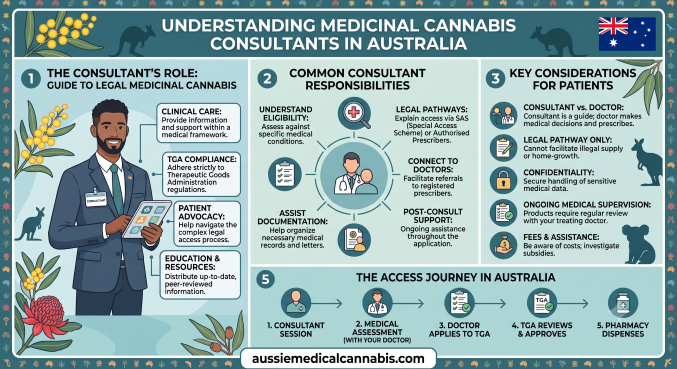
The Therapeutic Goods Administration (TGA) regulates therapeutic goods nationally. The TGA provides regulatory pathways for certain unapproved medicinal cannabis products, including the Special Access Scheme and Authorised Prescriber Scheme.
State and territory laws can also apply to prescribing, dispensing, possession, and other aspects of medicines regulation.
Are All Medicinal Cannabis Products TGA-Approved?
No. The TGA states that many medicinal cannabis products supplied in Australia are unapproved therapeutic goods. These products are not included in the Australian Register of Therapeutic Goods (ARTG) and are accessed through specific regulatory pathways.
This is different from saying that such products are automatically unsafe; it means their regulatory status differs from products that have undergone the standard TGA registration process.
CBD and THC
| Characteristic | CBD | THC |
|---|---|---|
| Intoxicating | Generally no | Yes |
| Psychoactive effects | Generally absent | Possible |
| Possible impairment | Generally limited | Possible |
| Medicine interactions | Possible | Possible |
THC can temporarily affect concentration, coordination, reaction time, memory, and judgement.
Patient Safety
Like other medicines, medicinal cannabis can cause adverse effects. Depending on the product and individual, these can include:
- Drowsiness
- Dizziness
- Fatigue
- Dry mouth
- Reduced concentration
- Appetite changes
Cannabinoids can also interact with other medicines, so healthcare professionals consider a person’s existing medicines and medical history when assessing safety.
Driving Considerations
THC-containing medicines can affect abilities required for safe driving. Australian driving laws differ between states and territories, so patients need to understand the rules applicable in their jurisdiction.
A medical prescription does not automatically mean that driving after THC exposure is lawful or safe.
Why Medical Assessment Matters
Medicinal cannabis isn’t a single medicine. Products can differ considerably in cannabinoid composition, formulation, and evidence.
Healthcare professionals can consider:
- The medical condition involved
- Previous treatment
- Current medicines
- Potential interactions
- Available scientific evidence
- Potential benefits and risks
- Appropriate monitoring
Reliable Australian Sources
For current information, consult the Therapeutic Goods Administration – Medicinal Cannabis and the Australian Government Department of Health, Disability and Ageing – Medicinal Cannabis.
PubMed Research
PubMed – Medicinal Cannabis Research
Frequently Asked Questions
Is a medical cannabis script the same as a medical cannabis card?
No. Australia does not have a nationwide medical-cannabis-card system. Medicinal cannabis is managed through the healthcare and prescription framework.
Does every doctor prescribe medicinal cannabis?
Prescribing requirements depend on the product, clinical circumstances, and applicable regulatory requirements. Healthcare professionals must work within their professional scope and relevant laws.
Can medicinal cannabis contain THC?
Yes. Some medicinal cannabis products contain THC, some contain CBD, and some contain both.
Can medicinal cannabis cause side effects?
Yes. Drowsiness, dizziness, fatigue, dry mouth, and reduced concentration are among possible effects.
Is medicinal cannabis legal in Australia?
Medicinal cannabis is legally regulated within Australia’s therapeutic-goods framework, subject to applicable Commonwealth, state, and territory requirements.
