
Cannabis Education
Weed Psychological Effects: An Educational Guide for Australians
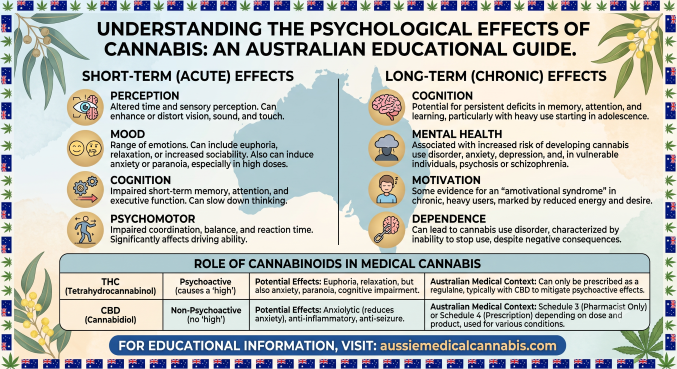
Aug
Cannabis, commonly known as weed, is one of the most widely used psychoactive substances worldwide. It contains more than 100 naturally occurring cannabinoids, with tetrahydrocannabinol (THC) and cannabidiol (CBD) being the most extensively researched. These cannabinoids interact with the body’s endocannabinoid system (ECS) and can influence mood, memory, perception, and behaviour.
The psychological effects of aussie medical cannabis vary considerably between individuals. Factors such as the cannabinoid profile, THC concentration, dose, frequency of use, genetics, age, and existing mental health conditions all play a role in determining how someone responds.
Current research suggests cannabis may produce both short-term psychological effects and, in some people, longer-term mental health consequences. This educational guide explains what current scientific evidence says about cannabis and psychological health.
How Cannabis Affects the Brain
Cannabinoids influence communication between nerve cells by interacting with receptors throughout the brain.
The endocannabinoid system helps regulate:
- Mood
- Memory
- Learning
- Emotional processing
- Stress responses
- Sleep
- Appetite
- Pain perception
Because THC directly affects brain signalling, it may alter thinking, emotions, and perception during intoxication.
Short-Term Psychological Effects
Many of cannabis’ psychological effects occur shortly after THC exposure.
Reported effects include:
- Relaxation
- Changes in mood
- Altered perception of time
- Difficulty concentrating
- Impaired short-term memory
- Reduced attention
- Slower decision-making
- Altered sensory perception
The intensity of these effects depends on factors such as THC concentration and individual sensitivity.
Anxiety and Panic
One of the most commonly reported psychological side effects of THC is anxiety.
Some people may experience:
- Nervousness
- Restlessness
- Increased worry
- Panic attacks
- Racing thoughts
The likelihood may increase with:
- Higher THC concentrations
- Larger doses
- First-time use
- Existing anxiety disorders
Paranoia
Some individuals experience paranoia while intoxicated with THC-containing cannabis.
This may involve:
- Suspicion
- Feeling watched
- Fear without evidence
- Increased sensitivity to surroundings
These effects are generally temporary but may be distressing.
Effects on Memory and Concentration
THC may temporarily affect:
- Working memory
- Attention
- Learning
- Information processing
- Decision-making
Researchers continue investigating whether repeated heavy cannabis use contributes to longer-term cognitive changes in some individuals.
Mood Changes
Cannabis may influence emotional regulation.
Reported mood-related effects include:
- Relaxation
- Happiness
- Irritability
- Emotional instability
- Anxiety
Responses differ considerably between individuals.
Psychosis and Severe Mental Health Effects
Research suggests that frequent use of high-THC cannabis, particularly among susceptible individuals, may increase the risk of psychotic symptoms or psychotic disorders.
Reported symptoms may include:
- Hallucinations
- Delusions
- Disorganised thinking
- Severe paranoia
The overall risk depends on multiple factors, including family history, genetics, and patterns of cannabis use.
Depression
Researchers continue studying the relationship between cannabis and depression.
Current evidence does not clearly establish that cannabis directly causes depression, but some studies have identified associations between frequent cannabis use and depressive symptoms in certain populations.
Further research is required.
Cannabis and Young People
The adolescent brain continues developing into early adulthood.
Researchers have expressed concern that early and frequent exposure to high-THC cannabis may influence:
- Brain development
- Learning
- Memory
- Emotional regulation
This remains an important area of ongoing research.
CBD vs THC: Psychological Effects
| Feature | CBD | THC |
|---|---|---|
| Psychoactive | Generally no | Yes |
| Intoxication | No | Yes |
| Anxiety | Under investigation | May trigger anxiety in some individuals |
| Psychotic Symptoms | Not commonly associated | Possible in susceptible individuals |
Educational Comparison Table
| Topic | THC | CBD |
| Main Brain Effect | Psychoactive | Non-intoxicating |
| Memory Effects | Temporary impairment possible | Minimal evidence of impairment |
| Anxiety Risk | Higher | Being investigated for potential therapeutic use |
| Research | Extensive | Growing |
Long-Term Psychological Research
Researchers continue studying:
- Anxiety disorders
- Depression
- Cannabis Use Disorder
- Psychotic disorders
- Brain development
- Cognitive function
- Emotional regulation
Evidence continues to evolve as long-term studies become available.
Australian Regulation
Medicinal cannabis is regulated in Australia through Commonwealth legislation together with state and territory requirements.
Healthcare professionals consider:
- Medical history
- Current medicines
- Mental health history
- Available evidence
- Potential risks and benefits
before prescribing medicinal cannabis where appropriate.
Mental Health and Cannabis
People with existing mental health conditions should discuss cannabis use with a qualified healthcare professional.
Individual responses vary, and THC-containing products may worsen symptoms for some people.
Where to Learn More
Reliable educational information is available at https://aussiemedicalcannabis.com/
- Healthdirect Australia – Mental Health
- Therapeutic Goods Administration – Medicinal Cannabis
- Australian Government Department of Health, Disability and Ageing – Mental Health
PubMed Reference
Frequently Asked Questions
1. Can weed affect mental health?
Yes. Cannabis can influence mood, memory, perception, and thinking. Responses vary depending on the individual and the cannabinoid profile.
2. Can cannabis cause anxiety?
THC-containing cannabis may trigger anxiety or panic in some individuals, particularly at higher doses or in those who are more susceptible.
3. Does cannabis affect memory?
THC may temporarily impair short-term memory, attention, and concentration during intoxication. Researchers continue studying longer-term cognitive effects.
4. Can cannabis cause psychosis?
Research suggests frequent use of high-THC cannabis may increase the risk of psychotic symptoms in susceptible individuals, although many factors influence this risk.
5. Is CBD associated with the same psychological effects as THC?
No. CBD is generally considered non-intoxicating and has a different pharmacological profile from THC.
Conclusion
Cannabis can produce a wide range of psychological effects that differ between individuals. THC is primarily responsible for psychoactive effects and may contribute to anxiety, paranoia, memory impairment, and other mental health symptoms in some people, while CBD has a different pharmacological profile and is being studied separately. Ongoing research continues to improve understanding of how cannabinoids affect the brain, cognition, and mental health. Australians seeking reliable information should rely on qualified healthcare professionals, official health authorities, and peer-reviewed scientific research.
