
Budder – Sour Tangie
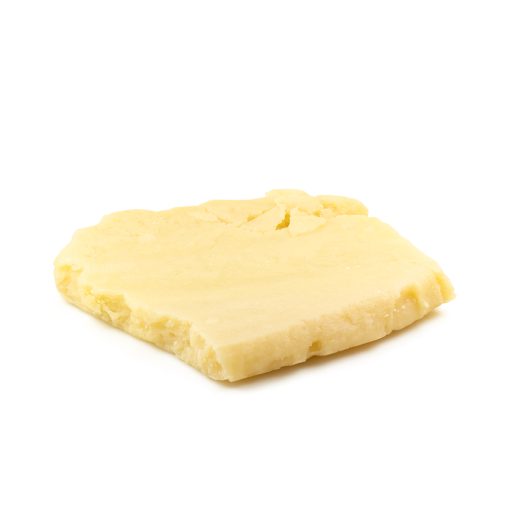
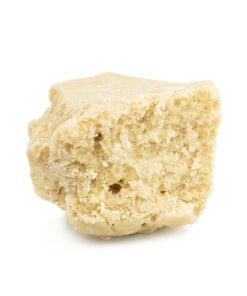
Sour Tangie Budder is a soft cannabis concentrate associated with the Sour Tangie cultivar. It is generally recognised for its creamy texture and citrus-forward aromatic profile. However, the product name alone cannot confirm cannabinoid strength, purity, safety or medical suitability. Therefore, a batch-specific laboratory report remains the most dependable source of information.
Readers can explore additional Australian medicinal cannabis education covering cannabis concentrates, cannabinoids, terpenes and current regulations.
Quick Facts
| Feature | Educational overview |
|---|---|
| Product | Sour Tangie Budder |
| Category | Cannabis concentrate |
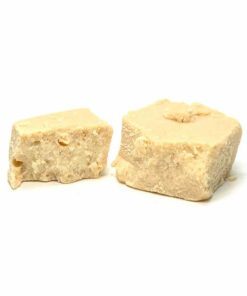
| Texture | Soft, creamy or wax-like |
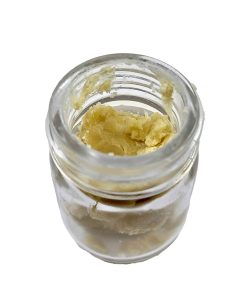
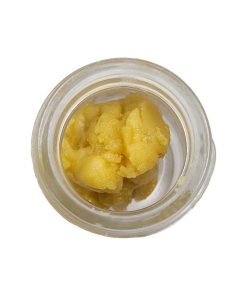
| Typical colour | Pale yellow, gold or amber |
| Reported aroma | Citrus, mandarin, herbs and fuel-like notes |
| Cannabinoids | Vary between batches |
| Terpenes | Must be confirmed through testing |
| Educational focus | Concentrates and Australian smoking legislation |
What Is Sour Tangie Budder?
Budder is a cannabis extract processed until it develops a smooth, buttery consistency. During finishing, controlled agitation may change the structure of the extracted resin. As a result, the concentrate becomes softer and more pliable than brittle products such as shatter.
Sour Tangie Budder refers to budder made from, or marketed in association with, Sour Tangie plant material. Nevertheless, two batches carrying the same name may differ significantly. Genetics, cultivation, extraction, storage and product age can all affect the final chemical profile.
Moreover, the Therapeutic Goods Administration’s medicinal cannabis hub explains how medicinal cannabis products are regulated in Australia. Most medicinal cannabis products supplied nationally remain unapproved therapeutic goods, even when lawfully prescribed.
Appearance, Aroma and Flavour
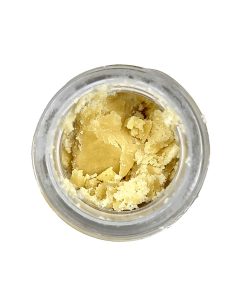
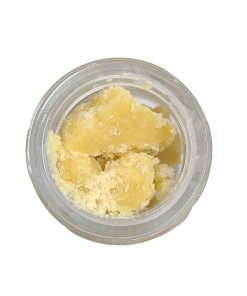
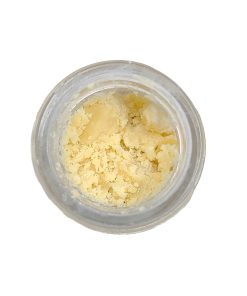
Sour Tangie Budder may appear pale gold, yellow, amber or light beige. Furthermore, its texture may range from whipped and creamy to crumbly or slightly sticky, depending on temperature and storage.
Reported aroma and flavour themes may include:
- Mandarin or orange peel
- Lemon
- Sweet citrus
- Herbal notes
- Earth
- Pepper
- Fuel-like undertones
However, aroma cannot reveal THC concentration. Likewise, colour cannot confirm quality because oxidation, extraction and storage conditions may influence appearance.
Cannabinoids and Terpenes
Cannabinoids are naturally occurring cannabis compounds. THC is the primary intoxicating cannabinoid, whereas CBD has a different, non-intoxicating pharmacological profile. Meanwhile, minor cannabinoids such as CBG, CBC and CBN remain areas of continuing scientific study.
Possible terpenes associated with citrus-forward cannabis concentrates include:
- Limonene, commonly associated with citrus aromas
- Myrcene, associated with earthy and herbal notes
- Beta-caryophyllene, associated with pepper and spice
- Pinene, associated with pine-like aromas
- Terpinolene, associated with floral, herbal and citrus characteristics
Nevertheless, these compounds cannot be confirmed from a cultivar name. Consequently, readers should rely on laboratory analysis rather than descriptive marketing.
Why Laboratory Testing Matters
A detailed certificate of analysis may report:
- Total THC and CBD
- Minor cannabinoids
- Terpene concentrations
- Microbial contamination
- Heavy metals
- Pesticide residues
- Residual solvents, where relevant
Furthermore, concentrates may contain substantially different cannabinoid concentrations from dried cannabis flower. Therefore, testing is especially important when assessing strength, composition and manufacturing consistency.
The TGA has also published laboratory findings and regulatory requirements for medicinal cannabis products supplied in Australia, reinforcing the importance of accurate cannabinoid content and lawful ingredients.
Medicinal Cannabis and Smoking Rules Are Different Legal Topics
Medicinal cannabis laws and tobacco-smoking laws are separate regulatory areas. Consequently, a prescription does not automatically create permission to smoke or vape in a prohibited public place.
The Healthdirect medicinal cannabis guide explains that medicinal cannabis is pharmaceutical-grade and highly regulated in Australia. Meanwhile, state and territory governments are primarily responsible for smoke-free public-place rules, so specific restrictions can vary by jurisdiction.
Therefore, readers should distinguish among:
- Tobacco-product laws
- Smoke-free-area laws
- Vaping regulations
- Workplace policies
- Property or tenancy rules
- Medicinal cannabis prescribing rules
- Cannabis possession and use laws
Smoking Legislation in Australia
Australia regulates tobacco through a combination of Commonwealth, state and territory laws. At the federal level, the Public Health (Tobacco and Other Products) Act 2023 introduced updated rules for tobacco packaging, product requirements, reporting, advertising and sponsorship. The legislation began operating in stages from 2024, while additional product changes took effect during 2025.
Additionally, it is illegal to sell or supply tobacco products to anyone under 18 anywhere in Australia. However, rules concerning possession by minors and enforcement may differ between jurisdictions.
Smoking is also prohibited in many enclosed public places and workplaces. Nevertheless, because state and territory governments administer many smoke-free-area laws, the exact list of restricted locations varies.
Smoking Laws in Victoria
Victoria’s Tobacco Act 1987 prohibits smoking and vaping in enclosed workplaces and numerous public spaces. Moreover, Victorian restrictions apply to locations such as commercial outdoor dining areas, children’s recreational areas and designated zones near certain building entrances.
Examples of smoke-free and vape-free areas in Victoria include:
- Enclosed workplaces
- Commercial outdoor dining areas
- Public swimming-pool complexes
- Areas within 10 metres of playground equipment
- Areas within 10 metres of public skate parks
- Under-age sporting events
- Areas within four metres of entrances to public hospitals and registered community health centres
Furthermore, tobacco products and vaping goods cannot be sold to anyone under 18 in Victoria. Retailers must comply with age restrictions, licensing requirements, advertising controls and required signage.
What Is a Smokers’ Area?
A smokers’ area is a location where smoking may be permitted under the applicable law and venue policy. However, simply placing a sign or ashtray in an area does not necessarily make smoking lawful.
For example, an outdoor drinking area in Victoria may still be smoke-free when it is within four metres of an outdoor dining area, unless an appropriate wall separates the spaces. Therefore, venues must consider distance, layout, local laws and signage requirements.
Smoking Compared With Vaporising
Smoking involves combustion, whereas vaporising heats material without the same burning process. Nevertheless, vaping is often prohibited wherever smoking is prohibited.
The TGA maintains information about specific medicinal cannabis vaporising devices included in the Australian Register of Therapeutic Goods. However, approval of a device does not override smoke-free and vape-free area laws.
| Topic | Educational distinction |
| Smoking | Produces smoke through combustion |
| Vaporising | Heats material without the same combustion process |
| Approved device | Listed in the ARTG for an intended purpose |
| Smokers’ area | Must comply with state law and venue rules |
| Prescription | Does not cancel public smoking or vaping restrictions |
Frequently Searched Educational Terms
| Frequently searched term | Educational explanation |
| Smoking legislation Australia | Refers to federal, state and territory laws governing tobacco products, smoke-free areas, advertising and sales. |
| Tobacco laws Australia | A broad term covering packaging, advertising, product standards, retail sales and age restrictions. |
| Legality of tobacco | Tobacco is legal for adults, although its sale, marketing, packaging and use are heavily regulated. |
| Smoking ban Australia | Usually refers to bans in enclosed public places, workplaces and designated outdoor areas rather than a complete nationwide prohibition. |
| Smoking age Australia | Tobacco products cannot legally be sold or supplied to people under 18. |
| Smoking and the law | A general search about public-place restrictions, workplace rules and tobacco sales. |
| Laws regarding smoking | Refers to federal requirements as well as state, territory and local smoke-free rules. |
| Australian smoking ban | A broad phrase concerning restrictions in public and workplace settings. |
| Smoking restrictions in Australia | Refers to areas where smoking or vaping is prohibited under local legislation. |
| Australian tobacco laws | Covers age limits, packaging, advertising, retail and product regulation. |
| Smoking laws in Victoria Australia | Refers primarily to Victoria’s Tobacco Act 1987 and its smoke-free and vape-free area rules. |
| Smoking prohibited | Indicates that smoking is not legally permitted in a particular place. |
| Smokers area | A designated location where smoking may be permitted, provided it complies with applicable laws. |
| Smoking laws Australia age | A search concerning the nationwide prohibition on selling or supplying tobacco to people under 18. |
Frequently Asked Questions
What is Sour Tangie Budder?
Sour Tangie Budder is a soft cannabis concentrate associated with Sour Tangie plant material. Its exact cannabinoid and terpene profile varies between batches.
Is smoking completely illegal in Australia?
No. However, tobacco use is heavily regulated, and smoking is prohibited in many public, workplace and outdoor settings.
What is the legal smoking age in Australia?
It is illegal to sell or supply tobacco products to anyone under 18.
Can a medicinal cannabis patient smoke in a prohibited area?
A prescription does not generally override smoke-free-area rules, workplace policies or property restrictions.
Where can readers explore more medicinal cannabis education?
Readers can consult Aussie Medical Cannabis, the TGA, Healthdirect Australia and relevant state health departments.
Be the first to review “Budder – Sour Tangie”
Related products
Buy Budder Online
Buy Budder Online
Buy Budder Online
Buy Budder Online
Buy Budder Online
Buy Budder Online
Buy Budder Online
Buy Budder Online
Reviews
There are no reviews yet.