

Malabar Mushrooms
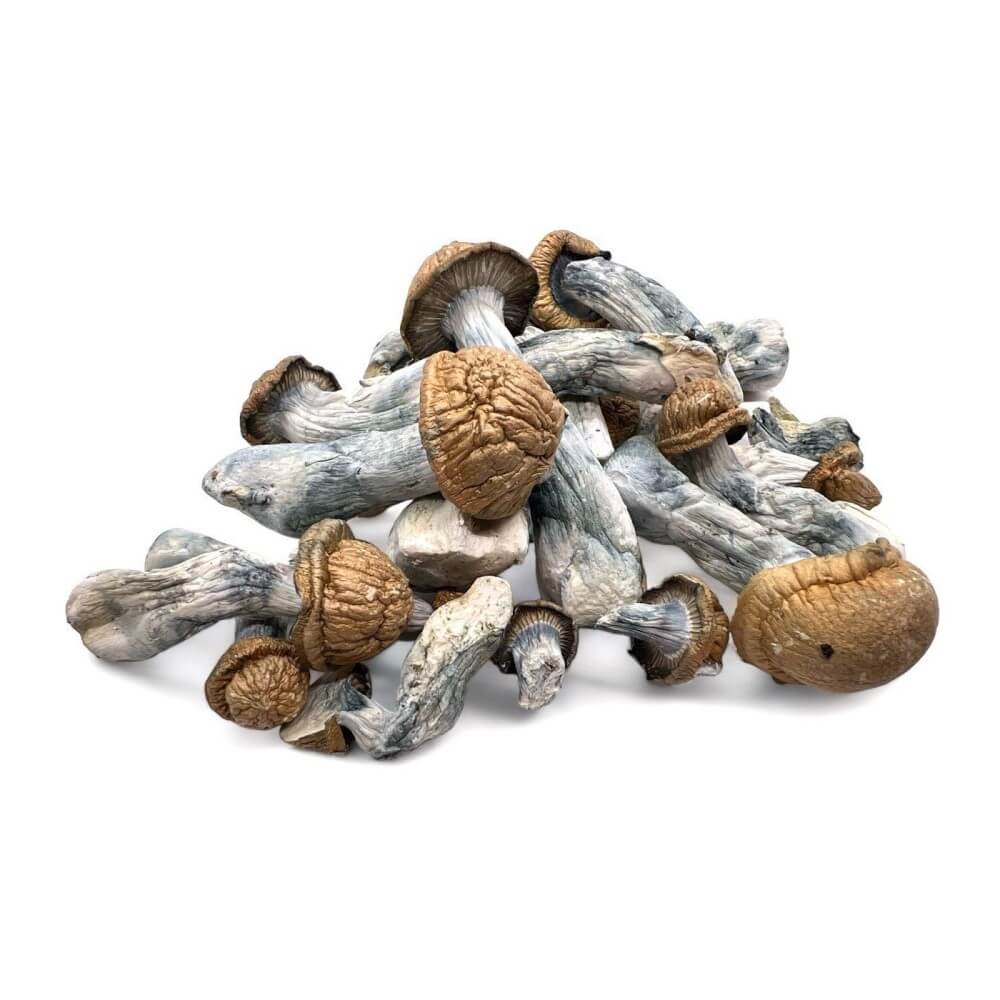
Malabar Mushrooms commonly refers to a variety associated with Psilocybe cubensis that is discussed within mycology, fungal taxonomy and scientific literature. In Australia, this variety is best understood from an educational perspective that distinguishes scientific research from edible culinary mushrooms and medicinal cannabis education.
Australia supports an extraordinary diversity of fungi, ranging from edible mushrooms cultivated for food to native fungal species that contribute to healthy ecosystems. Understanding fungal biology helps improve public knowledge while encouraging safe identification and responsible education.
Readers interested in Australia’s regulated medicinal cannabis framework can also explore Aussie Medical Cannabis for educational information about cannabinoids, medicinal cannabis products and Australian healthcare regulations.
Quick Facts
| Feature | Malabar Mushrooms | Edible Culinary Mushrooms |
|---|---|---|
| Kingdom | Fungi | Fungi |
| Scientific discussion | Mycology and taxonomy | Food and nutrition |
| Primary interest | Educational research | Culinary use |
| Commercial food use | Not regarded as a culinary mushroom | Yes |
| Australian context | Scientific education | Food production |
Scientific Background
Malabar Mushrooms are generally discussed as a cultivated variety associated with Psilocybe cubensis. Like all fungi, they develop from microscopic spores before producing fruiting bodies under suitable environmental conditions.
Scientists identify fungi using:
- Taxonomy
- Morphology
- Microscopic examination
- Spore characteristics
- Genetic relationships
Because many mushrooms appear similar, scientific identification is more reliable than appearance alone.
Physical Characteristics
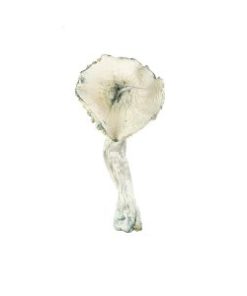
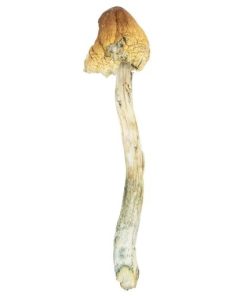
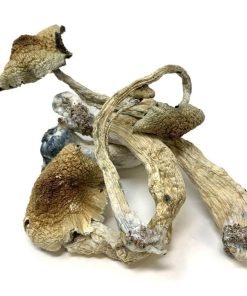
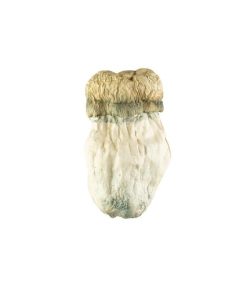
General descriptions associated with cultivated Psilocybe cubensis varieties include:
- Rounded cap
- Thick stem
- Cream to golden colouring
- Dense fruiting body
- Purple-brown spores
- Fibrous internal tissue
Natural variation occurs depending on genetics and environmental conditions.
Mushrooms Growing on a Log
Many edible mushrooms naturally grow on fallen logs, decaying timber or tree stumps.
Examples include:
- Oyster mushrooms
- Shiitake mushrooms
- Lion’s mane mushrooms
- Reishi mushrooms
These fungi play an important ecological role by helping decompose wood and recycle nutrients within forests.
The Australian National Botanic Gardens – Fungi provides educational information about Australia’s fungal biodiversity.
Medicinal Mushrooms
The phrase medicinal mushrooms is commonly used to describe edible mushroom species that are included in foods and dietary supplements.
Examples frequently discussed include:
- Lion’s mane
- Reishi
- Maitake
- Shiitake
- Turkey tail
Scientific research into edible mushroom ingredients continues internationally. However, these foods and supplements should not be regarded as substitutes for professional medical care.
Medicinal Mushroom Benefits
Edible mushrooms contribute to a balanced diet by providing nutrients such as:
- Dietary fibre
- B-group vitamins
- Selenium
- Copper
- Potassium
Research into edible mushroom compounds continues, although nutritional information should not be interpreted as evidence that any mushroom prevents or treats disease.
According to the Australian Dietary Guidelines – Eat for Health, including a variety of nutritious foods supports healthy eating patterns.
Mushroom Medi
The search phrase “mushroom medi” is commonly associated with educational searches relating to medicinal mushrooms, mushroom medicine research or mushroom-derived products.
Because the term is incomplete, its meaning depends on the context. Educational resources should distinguish between edible mushroom nutrition, dietary supplements and regulated therapeutic medicines.
Mushroom Mushrooms
Although the phrase “mushroom mushrooms” is repetitive, it is frequently used in online searches for general mushroom information.
Educational topics commonly include:
- Mushroom biology
- Mushroom identification
- Culinary mushrooms
- Mushroom nutrition
- Australian fungi
Types of Mushrooms
Australia is home to thousands of mushroom species, ranging from edible culinary varieties to native fungi that play important ecological roles.
Common edible mushroom types include:
- White button mushrooms
- Swiss brown mushrooms
- Portobello mushrooms
- Oyster mushrooms
- Shiitake mushrooms
- King oyster mushrooms
- Enoki mushrooms
- Maitake mushrooms
Each species has unique characteristics, flavour profiles and culinary uses. Because some poisonous mushrooms resemble edible species, wild mushrooms should never be consumed without reliable expert identification.
Mushroom Types for Food
Edible mushrooms are widely used throughout Australian cuisine because they provide flavour, texture and nutritional variety.
Popular cooking methods include:
- Grilling
- Roasting
- Stir-frying
- Baking
- Sautéing
- Adding to soups and pasta
Commercially cultivated mushrooms undergo food safety controls before reaching consumers.
According to Food Standards Australia New Zealand (FSANZ), consumers should purchase food from reputable suppliers and follow safe food handling practices.
Mushroom Varieties
There are numerous edible mushroom varieties available in Australia.
Examples include:
- White button
- Portobello
- Swiss brown
- Shiitake
- Oyster
- King oyster
- Enoki
- Lion’s mane
- Maitake
Each variety differs in appearance, texture and culinary application.
Edible Mushrooms
Edible mushrooms are valued because they naturally provide:
- Dietary fibre
- B-group vitamins
- Selenium
- Copper
- Potassium
When included as part of a balanced dietary pattern, edible mushrooms contribute to nutritional diversity.
However, edible cultivated mushrooms should never be confused with unidentified wild mushrooms.
Fungus Varieties
The fungal kingdom contains an extraordinary range of organisms beyond mushrooms alone.
Examples include:
- Mushrooms
- Bracket fungi
- Puffballs
- Coral fungi
- Cup fungi
- Yeasts
- Moulds
Each group plays an important ecological role in nutrient recycling and biodiversity.
White Mushroom Species
The familiar white button mushroom belongs to the species Agaricus bisporus.
This species is also sold in different stages of maturity as:
- White button mushrooms
- Cup mushrooms
- Flat mushrooms
- Portobello mushrooms (fully mature form)
Because these are commercially cultivated, they are among the most commonly consumed mushrooms in Australia.
Mushroom with Name
Scientific names help ensure accurate identification because common names vary between regions.
Examples include:
| Common Name | Scientific Name |
|---|---|
| White button mushroom | Agaricus bisporus |
| Shiitake | Lentinula edodes |
| King oyster mushroom | Pleurotus eryngii |
| Oyster mushroom | Pleurotus ostreatus |
| Maitake | Grifola frondosa |
| Reishi | Ganoderma lucidum |
| Lion’s mane | Hericium erinaceus |
Using scientific names reduces confusion when discussing fungi internationally.
Mushroom Nutrition Compared With Medicinal Cannabis
Although edible mushrooms and medicinal cannabis are both discussed within health education, they have different purposes and regulatory pathways.
| Edible Mushrooms | Medicinal Cannabis |
| Consumed as food | Prescription therapeutic medicine |
| Available through supermarkets | Dispensed through authorised pharmacies |
| Provide nutrients | Used under clinical supervision |
| Part of healthy eating | Requires healthcare assessment |
| Food regulation | Therapeutic regulation |
Consequently, educational information about edible mushrooms should not be interpreted as advice regarding medicinal cannabis treatment.
Medicinal Cannabis Education in Australia
Australia regulates medicinal cannabis through a structured healthcare framework designed to ensure patient safety and evidence-based prescribing.
Healthcare professionals generally consider:
- Medical history
- Current diagnosis
- Previous treatments
- Current medicines
- Potential medicine interactions
- Expected therapeutic benefits
- Possible risks
- Ongoing monitoring
Treatment decisions are individualised and based on clinical judgement.
Readers wishing to understand cannabinoids, medicinal cannabis products and Australian prescribing pathways can continue exploring Aussie Medical Cannabis.
The Therapeutic Goods Administration – Medicinal Cannabis Hub provides official information regarding medicinal cannabis regulation and patient access.
Frequently Searched Educational Terms
| Search phrase | Educational explanation |
| Mushrooms growing on a log | Many edible species naturally grow on decaying timber. |
| Medicinal mushroom benefits | Nutritional information relating to edible mushroom species. |
| Medicinal mushrooms | Edible mushrooms commonly discussed in foods and dietary supplements. |
| Mushroom medi | General educational searches relating to mushrooms and nutrition. |
| Mushroom mushrooms | Broad search relating to mushroom biology and identification. |
| Types of mushrooms | Australia has thousands of fungal species. |
| Mushroom types food | Culinary mushroom varieties used in cooking. |
| Mushroom varieties | Different edible mushroom species available in Australia. |
| Edible mushrooms | Commercially cultivated mushrooms suitable for food. |
| Fungus varieties | Includes mushrooms, moulds, yeasts and many other fungi. |
| White mushroom species | Usually refers to Agaricus bisporus. |
| Mushroom with name | Scientific names provide accurate fungal identification. |
Frequently Asked Questions
What are Malabar Mushrooms?
Malabar Mushrooms are generally discussed as a cultivated variety associated with Psilocybe cubensis within mycology and fungal education.
Which mushrooms naturally grow on logs?
Several edible mushrooms, including oyster, shiitake, lion’s mane and reishi, naturally grow on wood.
What is the most common white mushroom?
The white button mushroom (Agaricus bisporus) is Australia’s most widely consumed cultivated mushroom.
Why are scientific names important?
Scientific names provide accurate identification and avoid confusion caused by different common names.
Are edible mushrooms the same as medicinal cannabis?
No. Edible mushrooms are foods, whereas medicinal cannabis products are regulated prescription medicines.
How does mushroom education differ from medicinal cannabis education?
Mushroom education focuses on fungal biology, ecology and nutrition, while medicinal cannabis education explains Australia’s regulated therapeutic framework.
Where to Explore Educational Information
To continue learning about medicinal cannabis, cannabinoids, Australian prescribing pathways and evidence-based healthcare, visit Aussie Medical Cannabis.
Additional trusted Australian educational resources include:
- Therapeutic Goods Administration – Medicinal Cannabis Hub
- Australian National Botanic Gardens – Fungi
- Food Standards Australia New Zealand (FSANZ)
- Healthdirect Australia
These Australian authority resources provide evidence-based information about fungi, food safety, nutrition and medicinal cannabis regulation.
| Quantity | 1/4 oz (7g), 1/2 oz (14g), 1 oz (28g) |
|---|
Be the first to review “Malabar Mushrooms”
Related products
Bulk Mushrooms
Bulk Mushrooms
Bulk Mushrooms
Bulk Mushrooms
Bulk Mushrooms

Bulk Mushrooms
Bulk Mushrooms
Bulk Mushrooms
Reviews
There are no reviews yet.