
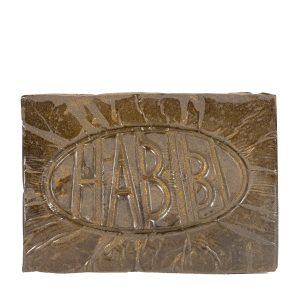
Habibi Hash
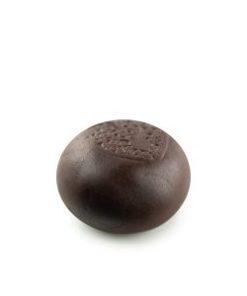
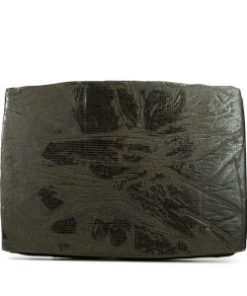
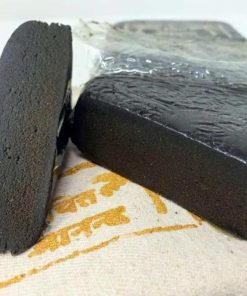
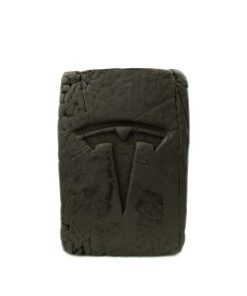
Habibi Hash is a cannabis concentrate made by collecting and processing the resin-rich trichomes from cannabis flowers. Depending on the production method, it may have a soft, sticky or compressed texture and contain varying amounts of cannabinoids and terpenes.
The name “Habibi Hash” does not indicate a standard cannabinoid profile, medical effectiveness or product quality. Therefore, anyone researching this concentrate should rely on laboratory testing and healthcare guidance rather than branding or appearance. Readers can explore additional educational information through Aussie Medical Cannabis, which explains medicinal cannabis products, cannabinoids and Australian regulations.
Quick Facts
| Feature | Educational overview |
|---|---|
| Product name | Habibi Hash |
| Product type | Cannabis resin concentrate |
| Main cannabinoids | THC, CBD and minor cannabinoids |
| Possible texture | Soft, pressed, sticky or crumbly |
| Possible colour | Golden brown to dark brown |
| Main aroma | Earthy, herbal, spicy and resinous |
| Australian status | Medicinal cannabis is regulated |
| CBD products | Require careful clinical consideration |
What Is Habibi Hash?
Hash is produced by separating resin glands from cannabis flowers before compressing or processing the collected trichomes into a concentrated product.
Habibi Hash may contain:
- THC
- CBD
- CBG
- CBC
- CBN
- Naturally occurring terpenes
Because cannabinoid concentrations vary considerably between batches, consumers should not assume potency based solely on the product name.
The Australian medicinal cannabis framework requires healthcare professionals to consider product quality, patient suitability and regulatory requirements before recommending cannabinoid medicines.
Appearance and Aroma
Habibi Hash may display:
- Dark amber colouring
- Brown or golden shades
- Sticky resin
- Dense texture
- Earthy aroma
- Sweet herbal notes
- Peppery spices
- Woody characteristics
Appearance alone cannot confirm cannabinoid concentration or purity.
Why Laboratory Testing Matters
Reliable laboratory testing may evaluate:
- THC concentration
- CBD concentration
- Minor cannabinoids
- Terpene profile
- Heavy metals
- Residual solvents
- Microbial contamination
- Pesticides
- Batch consistency
The Australian Government’s Therapeutic Goods Administration explains that medicinal cannabis products supplied through prescription pathways should meet quality standards appropriate for therapeutic use. The TGA Medicinal Cannabis Hub provides educational information about these regulatory pathways.
What Is CBD Oil?
CBD oil contains cannabidiol suspended in a carrier oil such as medium-chain triglyceride (MCT) oil or another suitable oil base.
Unlike THC, cannabidiol generally does not produce intoxication. However, CBD products vary considerably depending on:
- Concentration
- Purity
- Carrier oil
- Presence of THC
- Additional cannabinoids
- Manufacturing standards
The Healthdirect medicinal cannabis guide explains that CBD and THC affect the body differently and that medicinal cannabis should be used under medical supervision.
How to Take CBD Oil
Healthcare professionals may recommend different methods depending on the product and clinical situation.
Common methods include:
- Under the tongue (sublingual)
- Oral capsules
- Oral liquids
- Prescribed sprays
- Other approved formulations
Patients should always follow their prescriber’s directions.
Important considerations include:
- Correct dosage
- Timing
- Food interactions
- Other medicines
- Liver function
- Individual response
People should never increase their dose without consulting their healthcare provider.
Benefits of CBD Oil Under the Tongue
Placing CBD oil under the tongue allows absorption through tissues inside the mouth before swallowing.
Potential advantages include:
- Convenient administration
- Consistent dosing
- Easier adjustment of prescribed doses
- Avoiding some first-pass digestive metabolism
However, absorption still varies between individuals.
Healthcare providers determine whether sublingual administration is appropriate based on the patient’s condition and treatment goals.
How to Use CBD Oil Safely
Safe CBD use generally involves:
- Medical assessment
- Appropriate diagnosis
- Following prescribed doses
- Monitoring side effects
- Reviewing other medicines
- Regular follow-up appointments
Patients should avoid:
- Self-adjusting doses
- Sharing prescriptions
- Using unverified products
- Combining products without medical advice
Will CBD Get You High?
Pure cannabidiol does not normally produce the intoxicating “high” associated with THC.
However, several important factors should be considered:
- Some products contain THC.
- Product labels may vary.
- Individual responses differ.
- Side effects may still occur.
Therefore, the answer to “Will CBD get you high?” is generally no when using pure CBD, but products containing THC may produce intoxication.
Likewise, the question “Does CBD get you stoned?” is generally answered the same way. CBD itself is not considered intoxicating, although mixed cannabinoid products may contain THC.
Side Effects of CBD
Like many medicines, CBD may cause side effects.
Possible adverse effects include:
- Sleepiness
- Fatigue
- Diarrhoea
- Dry mouth
- Reduced appetite
- Dizziness
- Low blood pressure
- Liver enzyme changes
- Drug interactions
Patients taking blood thinners, anti-seizure medicines or other prescription medications should discuss possible interactions with their healthcare provider.
CBD Edibles
CBD edibles include food products that contain cannabidiol.
Examples may include:
- Gummies
- Chocolates
- Soft chews
- Baked products
Edibles pass through the digestive system before absorption.
As a result:
- Onset may be slower.
- Effects may last longer.
- Absorption varies.
Consumers should distinguish regulated medicinal products from unverified commercial products.
CBD Oil Gummies
CBD oil gummies are edible products containing cannabidiol.
Not every gummy marketed as “hemp” contains meaningful CBD.
Consumers should examine:
- CBD content
- THC content
- Ingredient list
- Laboratory testing
- Manufacturing quality
- Australian legal status
Do Hemp Gummies Work?
The answer depends on several important factors.
Some hemp gummies contain only hemp seed ingredients and essentially no cannabidiol.
Others contain measurable CBD.
Therefore, whether hemp gummies work depends on:
- Their ingredients
- CBD concentration
- Product quality
- Intended purpose
- Individual response
- Clinical evidence
Marketing claims should never replace medical advice.
Hemp Oil and Pain
People frequently search for hemp oil in relation to pain management.
However, hemp oil can refer to:
- Hemp seed oil
- CBD oil
- Mixed cannabinoid oils
These products differ considerably.
Research into cannabinoids for pain continues, but evidence varies depending on:
- Pain type
- Product formulation
- Dose
- Patient characteristics
Healthcare providers consider all available treatment options before recommending medicinal cannabis.
CBD Oil Online
Many people search for CBD oil online.
In Australia, patients should ensure products are obtained through lawful healthcare pathways rather than relying on unsupported online advertising.
When researching online products, consider:
- Product transparency
- Independent laboratory testing
- Ingredient disclosure
- Regulatory compliance
- Healthcare supervision
The Ahpra medicinal cannabis prescribing guidance explains professional responsibilities for healthcare practitioners involved in medicinal cannabis prescribing.
Readers can also learn more about cannabinoid medicines through Aussie Medical Cannabis educational resources.
Frequently Searched Educational Terms
| Search term | Educational explanation |
| How to take CBD oil | Follow healthcare instructions and prescribed dosing |
| CBD edibles | Food products containing cannabidiol |
| CBD oil online | Australian consumers should use lawful healthcare pathways |
| Hemp oil and pain | Different hemp oils contain different cannabinoids |
| Will CBD get you high | Pure CBD generally does not produce intoxication |
| Side effects of CBD | May include fatigue, diarrhoea, dizziness and medicine interactions |
| How to use CBD oil | Follow professional medical advice |
| Does CBD get you stoned | CBD itself is generally non-intoxicating |
| CBD oil gummies | Edible cannabidiol products with varying formulations |
| Benefits of CBD oil under tongue | Convenient administration with variable absorption |
| Do hemp gummies work | Depends on ingredients, CBD content and clinical evidence |
Frequently Asked Questions
What is Habibi Hash?
Habibi Hash is a cannabis concentrate produced from resin-rich trichomes. Individual batches vary in cannabinoid and terpene content.
Will CBD make me high?
Pure CBD generally does not produce intoxication. However, products containing THC may have intoxicating effects.
How should CBD oil be taken?
Patients should follow their healthcare provider’s instructions regarding dosage, timing and administration.
Are CBD gummies the same as hemp gummies?
Not always. Some hemp gummies contain little or no CBD, while CBD gummies are formulated to contain cannabidiol.
Is CBD oil legal in Australia?
Medicinal CBD products are generally available through regulated prescription pathways supervised by qualified healthcare practitioners.
Where to Explore Educational Information
For more educational resources on medicinal cannabis, concentrates, CBD products and Australian regulations, visit Aussie Medical Cannabis. Official information from the TGA, Healthdirect, Ahpra and other Australian health authorities should be used when making healthcare decisions.
| Quantity | 7G, 14G, 28G |
|---|
Be the first to review “Habibi Hash”
Related products
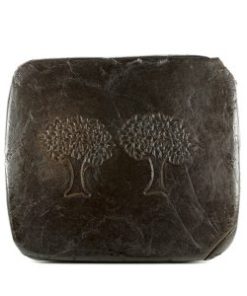
Hash
Reviews
There are no reviews yet.