
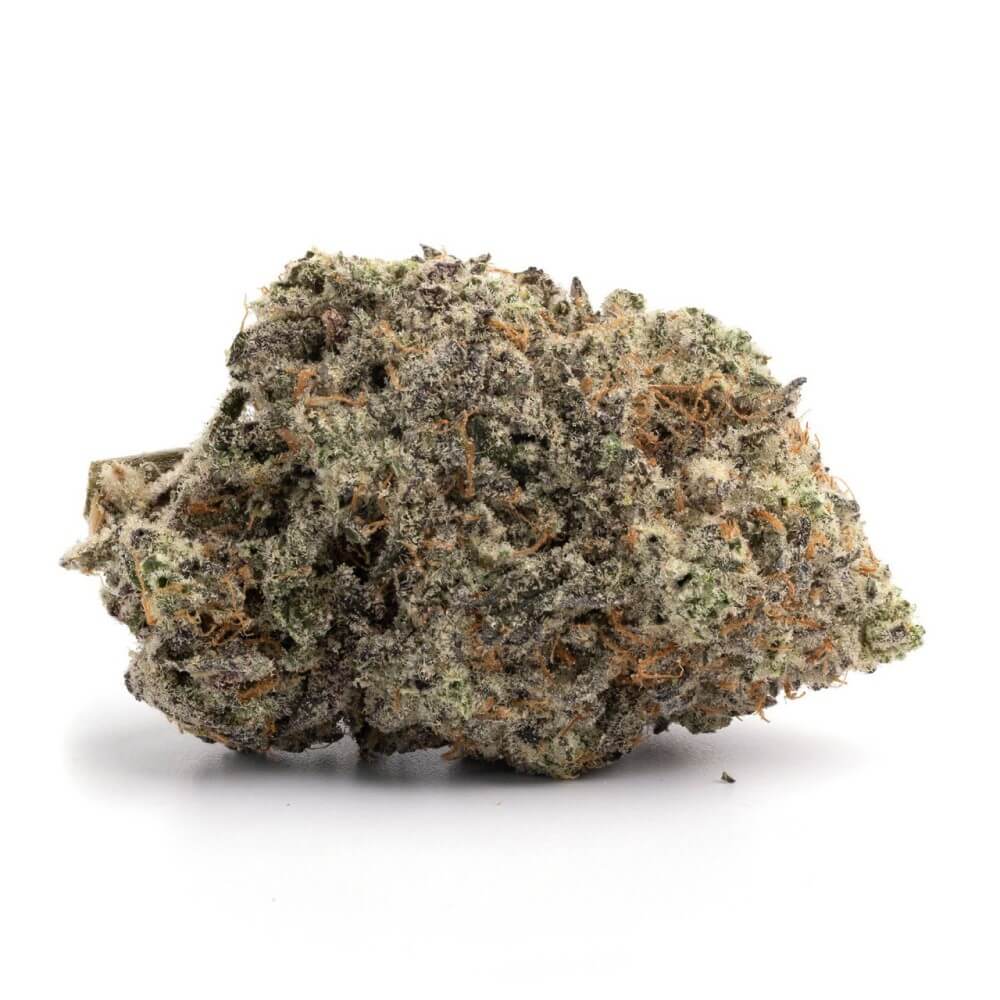

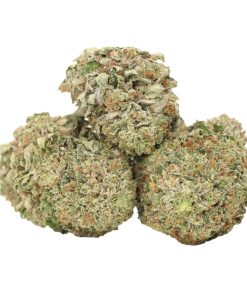
GMO (Garlic Cookies)
GMO (Garlic Cookies) is a cannabis cultivar frequently discussed in cannabis genetics, plant breeding and medicinal cannabis education. Within Australia, discussions about cannabis cultivars should be approached from an educational perspective that focuses on neuroscience, cannabinoid research and Australia’s regulated medicinal cannabis framework rather than recreational use.
Australia continues to support research into cannabinoids, the endocannabinoid system and evidence-based healthcare. Researchers investigate how cannabinoids interact with the brain, nervous system and other body systems while recognising that responses differ considerably between individuals.
Readers interested in Australia’s regulated medicinal cannabis framework can also explore Aussie Medical Cannabis for educational information about cannabinoids, medicinal cannabis products and Australian healthcare regulations.
Quick Facts
| Feature | GMO (Garlic Cookies) | Brain Health Education |
|---|---|---|
| Plant species | Cannabis sativa | Neuroscience research |
| Educational focus | Cannabis genetics | Brain and nervous system |
| Australian context | Botanical education | Evidence-based healthcare |
| Primary discussion | Cannabinoid science | Clinical research |
| Purpose | Educational only | Educational only |
Scientific Background
Cannabis naturally contains numerous cannabinoids, with the two most extensively studied being:
- Cannabidiol (CBD)
- Delta-9-tetrahydrocannabinol (THC)
These cannabinoids interact with the body’s endocannabinoid system, a signalling network involved in numerous physiological processes including learning, memory, mood, appetite and pain signalling.
Researchers continue investigating:
- Cannabinoid pharmacology
- Brain function
- Memory
- Neurobiology
- Behaviour
- Mental health
Current scientific evidence indicates that responses vary according to cannabinoid composition, dosage, age, genetics and overall health.
Pot Affects the Brain
Many people search for information about how pot affects the brain.
THC can influence brain function by interacting with cannabinoid receptors found throughout the central nervous system.
Researchers study effects involving:
- Attention
- Memory
- Coordination
- Decision-making
- Perception
- Mood
The degree of these effects varies considerably between individuals and depends on multiple biological and environmental factors.
According to Healthdirect Australia, cannabis can affect thinking, concentration, reaction time and coordination, with effects differing from person to person.
Cannabis Effect on the Brain
The effects of cannabis on the brain remain an active area of scientific investigation.
Researchers continue examining:
- Brain development
- Learning
- Memory
- Emotional regulation
- Cognitive performance
- Neurodevelopment
Current evidence recognises that adolescents and young adults may respond differently because brain development continues into early adulthood.
Effects of Weed on the Brain
The phrase “effects of weed on the brain” generally refers to changes associated with cannabinoids, particularly THC.
Possible short-term effects studied by researchers include:
- Reduced concentration
- Altered perception
- Slower reaction times
- Changes in short-term memory
- Mood changes
- Reduced coordination
Long-term outcomes continue to be investigated through ongoing clinical and population-based research.
Effect of Ganja on the Brain
“Ganja” is another common name for cannabis.
From a scientific perspective, the effects of ganja on the brain depend on numerous factors, including:
- Cannabinoid profile
- THC concentration
- Frequency of exposure
- Age
- Genetics
- Mental health history
- Other medicines or substances
For this reason, healthcare professionals avoid broad conclusions and instead evaluate each individual situation carefully.
What Does Weed Do to Your Brain?
Many Australians ask “What does weed do to your brain?”
Current evidence indicates that THC may temporarily influence:
- Memory
- Attention
- Learning
- Coordination
- Judgement
- Perception
However, the magnitude and duration of these effects differ between individuals.
The National Health and Medical Research Council (NHMRC) supports evidence-based research that helps improve understanding of cannabinoid science and brain health.
Does Cannabis Kill Brain Cells?
Questions such as “Does cannabis kill brain cells?” are common but oversimplify a complex area of neuroscience.
Current scientific research focuses instead on:
- Brain function
- Cognitive performance
- Neurodevelopment
- Behaviour
- Mental health
- Memory
Researchers do not generally frame modern neuroscience around the simple concept of cannabis universally “killing brain cells.”
Does Pot Destroy Brain Cells?
Similarly, “Does pot destroy brain cells?” does not have a simple yes-or-no scientific answer.
Instead, researchers investigate:
- Cognitive changes
- Functional brain imaging
- Behavioural outcomes
- Neurodevelopment
- Individual susceptibility
Healthcare professionals interpret these findings within the broader context of evidence-based medicine rather than relying on simplified claims.
Do Weed Kill Your Brain Cells?
Many people search online using phrases such as “do weed kill your brain cells?” Although this wording is common, modern neuroscience approaches the topic differently.
Rather than asking whether cannabis simply “kills brain cells,” researchers investigate:
- Brain function
- Memory and learning
- Cognitive performance
- Neurodevelopment
- Behaviour
- Mental health
- Individual risk factors
Current evidence shows that the effects of cannabis depend on numerous variables, including cannabinoid composition, age, frequency of exposure and personal medical history.
Does Weed Kill Neurons?
Neurons are specialised nerve cells that transmit information throughout the brain and nervous system.
The question “does weed kill neurons?” does not have a simple scientific answer.
Instead, researchers study topics such as:
- Neural signalling
- Brain connectivity
- Cognitive function
- Memory formation
- Synaptic communication
- Neurodevelopment
This approach provides a more accurate understanding than reducing the discussion to a simple claim about neuron loss.
Can Cannabis Kill Brain Cells?
Research into “can cannabis kill brain cells?” continues internationally.
Current scientific evidence focuses on measurable outcomes including:
- Learning
- Attention
- Executive function
- Mental health
- Brain imaging
- Behaviour
Researchers recognise that individual responses vary substantially, which is why healthcare professionals evaluate patients on an individual basis.
According to Healthdirect Australia, cannabis can affect thinking, memory, coordination and mental health, with responses differing from person to person.
Does Weed Damage Brain Cells?
The phrase “does weed damage brain cells?” is another commonly searched question.
Scientists instead investigate whether cannabis exposure may influence:
- Brain development
- Cognitive performance
- Memory
- Decision-making
- Emotional regulation
- Behaviour
These areas remain active fields of research, particularly regarding adolescents and young adults whose brains are still developing.
Does Weed Burn Brain Cells?
The expression “does weed burn brain cells?” is a long-standing myth rather than a scientific description.
Modern neuroscience does not describe cannabis as literally “burning” brain cells.
Instead, evidence-based research examines:
- Cannabinoid pharmacology
- Endocannabinoid signalling
- Brain function
- Cognitive outcomes
- Long-term health effects
This terminology better reflects current scientific understanding.
Can Weed Kill Brain Cells?
When people ask “can weed kill brain cells?”, they are often seeking information about long-term brain health.
Researchers continue investigating:
- Brain development
- Memory
- Learning
- Executive function
- Mental health
- Neurobiology
Current evidence demonstrates that responses differ considerably between individuals and are influenced by genetics, age, THC concentration, duration of exposure and overall health.
Does Pot Kill Your Brain Cells?
Like similar questions, “does pot kill your brain cells?” oversimplifies a complex area of medical research.
Healthcare professionals instead consider:
- Medical history
- Age
- Mental health
- Current medicines
- Frequency of cannabis exposure
- Cannabinoid composition
- Clinical evidence
This evidence-based approach supports informed healthcare decisions rather than relying on myths or oversimplified statements.
Cannabis Research Compared With Medicinal Cannabis
Although cannabis research often investigates brain function, medicinal cannabis involves a separate clinical process.
| Cannabis Research | Medicinal Cannabis |
|---|---|
| Investigates cannabinoids and brain function | Uses regulated therapeutic products where clinically appropriate |
| Studies cognition, behaviour and neurobiology | Focuses on patient assessment and treatment goals |
| Includes laboratory and clinical research | Involves evidence-based prescribing |
| Expands scientific knowledge | Supports individual patient care |
Understanding this distinction helps place scientific findings into the appropriate healthcare context.
Medicinal Cannabis Education in Australia
Australia regulates medicinal cannabis through a structured healthcare framework that prioritises patient safety, product quality and evidence-based prescribing.
Healthcare professionals generally evaluate:
- Medical history
- Current diagnosis
- Previous treatments
- Current medicines
- Potential medicine interactions
- Expected therapeutic outcomes
- Possible risks
- Ongoing clinical monitoring
Medicinal cannabis is not appropriate for every patient or every condition, and treatment decisions are made on an individual basis.
Readers wishing to understand cannabinoids, medicinal cannabis products and Australian prescribing pathways can continue exploring Aussie Medical Cannabis.
Official information is available through the Therapeutic Goods Administration – Medicinal Cannabis Hub.
Frequently Searched Educational Terms
| Search phrase | Educational explanation |
| Pot affects brain | THC may influence brain function, with effects varying between individuals. |
| Cannabis effect on brain | Research examines cognition, memory, perception and neurobiology. |
| Effects of weed on brain | Scientists study both short-term and long-term outcomes. |
| Effect of ganja on brain | Responses vary according to cannabinoid profile and individual factors. |
| What does weed do to your brain? | Cannabis may influence memory, attention, coordination and perception. |
| Does cannabis kill your brain cells? | Current research focuses on brain function rather than simple brain-cell loss. |
| Does pot destroy brain cells? | Modern neuroscience evaluates cognition and neurodevelopment instead of using this simplified concept. |
| Do weed kill your brain cells? | Individual responses differ and are studied through evidence-based research. |
| Does weed kill neurons? | Research investigates neuronal function rather than assuming neuron destruction. |
| Can cannabis kill brain cells? | Ongoing studies examine cognition, behaviour and long-term brain health. |
| Does weed damage brain cells? | Researchers investigate brain development and cognitive outcomes. |
| Does weed burn brain cells? | This is not a scientific description used in modern neuroscience. |
| Can weed kill brain cells? | Current evidence focuses on brain function and individual risk factors. |
| Does pot kill your brain cells? | Healthcare professionals consider multiple clinical factors when evaluating cannabis-related risks. |
Frequently Asked Questions
What is GMO (Garlic Cookies)?
GMO (Garlic Cookies) is a cannabis cultivar discussed within cannabis genetics, plant breeding and medicinal cannabis education.
Does cannabis affect brain function?
Yes. THC can influence memory, attention, perception and coordination, although responses vary between individuals.
Does cannabis literally burn brain cells?
No. Modern neuroscience does not describe cannabis as “burning” brain cells. Researchers instead study brain function, cognition and neurodevelopment.
Why do researchers study adolescents separately?
The brain continues developing into early adulthood, making neurodevelopment an important area of ongoing research.
How is medicinal cannabis regulated in Australia?
Medicinal cannabis products are regulated under Australia’s healthcare framework and may be prescribed where clinically appropriate following a professional assessment.
How does cannabis education differ from medicinal cannabis education?
Cannabis education focuses on cannabinoids, plant biology and neuroscience, while medicinal cannabis education explains Australia’s regulated therapeutic framework and evidence-based prescribing.
Where to Explore Educational Information
To continue learning about medicinal cannabis, cannabinoids, Australian prescribing pathways and evidence-based healthcare, visit Aussie Medical Cannabis.
Additional trusted Australian educational resources include:
- Therapeutic Goods Administration – Medicinal Cannabis Hub
- Healthdirect Australia
- National Health and Medical Research Council (NHMRC)
- Australian Government Department of Health, Disability and Ageing
These Australian authority resources provide evidence-based information about cannabinoids, brain health, medicinal cannabis regulation, neuroscience and public health.
| Quantity | 1/4 oz (7g), 1/2 oz (14g), 1 oz (28g) |
|---|
Be the first to review “GMO (Garlic cookies)”
Related products

Indica strains
Indica strains
Indica strains

Indica strains
Indica strains
Indica strains

Indica strains

Indica strains
Reviews
There are no reviews yet.