
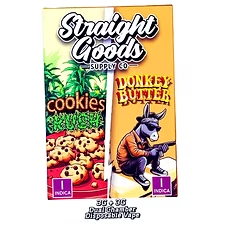

Cookies Kush Donkey Butter: Australian Cannabis Strain Information, THC, CBD and Medicinal Cannabis Laws
The phrase Cookies Kush Donkey Butter may appear in cannabis searches, cultivar databases, social-media discussions, overseas strain menus, or product listings. For Australian readers, however, a cannabis strain-style name should not be treated as proof that a particular product is approved, legally supplied, medically appropriate, or available through Australia’s regulated medicinal cannabis system.
I could not verify Cookies Kush Donkey Butter as a specifically listed Australian medicinal cannabis product in the current TGA material reviewed for this article. The Therapeutic Goods Administration maintains a medicinal cannabis product list to help prescribers and pharmacists identify products supplied under the Special Access Scheme and Authorised Prescriber categories, but individual names and products need to be checked rather than assumed to be approved or available.
Australia permits medicinal cannabis through a tightly regulated healthcare framework. Healthdirect states that medicinal cannabis can be legally prescribed in Australia, while non-medical cannabis remains illegal to use, possess, grow, or sell in most Australian states and territories.
The TGA also states that patients can legally obtain medicinal cannabis from a pharmacy with an appropriate prescription from a doctor or nurse practitioner.
What Is Cookies Kush Donkey Butter?
Cookies Kush Donkey Butter appears to combine several cannabis cultivar-style names or branding terms.
“Cookies” is a widely used term in international cannabis naming.
“Kush” is another longstanding cannabis cultivar term often associated with claimed genetic lineage or heritage.
“Donkey Butter” is the type of distinctive product or cultivar-style name commonly encountered in overseas cannabis markets.
Combining those words, however, does not produce a reliable chemical or pharmaceutical description.
The name alone cannot tell an Australian consumer:
- how much THC is present;
- how much CBD is present;
- which minor cannabinoids are present;
- the terpene composition;
- who produced the cannabis;
- whether the product has been tested;
- whether it meets Australian medicinal quality requirements;
- whether it is intended for medicinal use;
- whether it has been prescribed; or
- whether it is lawfully supplied in Australia.
For medicinal cannabis, verified cannabinoid composition, product specifications and regulatory status are substantially more important than the strain name.
Cookies Kush Donkey Butter: Quick Comparison
| Feature | Regulated Australian medicinal cannabis | Unverified strain-style cannabis |
|---|---|---|
| THC/CBD information | Product-specific cannabinoid data | Cannot be inferred reliably |
| Healthcare supervision | Prescribed where clinically appropriate | May be absent |
| Pharmacy access | Available through lawful pathways | Not established |
| Australian regulation | TGA framework applies | Status uncertain |
| Quality information | Applicable therapeutic standards | Cannot be assumed |
| Strain name | Secondary information | Often heavily marketed |
| Legal status | Product and pathway dependent | Name alone proves nothing |
The main distinction is between commercial cannabis terminology and verified medicinal cannabis information.
Is Cookies Kush Donkey Butter Legal in Australia?
The strain name itself cannot determine legality.
Australia regulates medicinal cannabis through Commonwealth therapeutic-goods laws, while state and territory legislation can impose additional rules involving controlled medicines, possession, prescribing, dispensing and driving.
Current TGA guidance states that patients can legally obtain medicinal cannabis products from a pharmacy with an appropriate prescription.
Most medicinal cannabis goods, however, remain unapproved therapeutic goods. The TGA explains that these products have not undergone its standard assessment for safety, quality, performance or effectiveness, although registered health professionals can access them through defined pathways where clinically appropriate.
Therefore, finding Cookies Kush Donkey Butter on an international cannabis website does not establish that Australians can legally purchase, import, possess or use that exact item.
What Does “Cookies” Mean in Cannabis Terminology?
“Cookies” is commonly encountered in modern cannabis cultivar names.
It may refer to:
- claimed genetics;
- breeding history;
- cultivar families;
- flavour or aroma associations; or
- commercial branding.
From a medicinal perspective, however, Cookies terminology does not establish a specific THC percentage, CBD level or therapeutic effect.
Two products containing “Cookies” in their names can potentially have quite different chemical profiles.
Australian medicinal cannabis patients should therefore rely on product-specific cannabinoid information rather than assuming that all Cookies-labelled products are equivalent.
What Does “Kush” Mean?
“Kush” is another longstanding cannabis naming term.
Historically, Kush terminology is associated with cannabis lineages linked to regions around the Hindu Kush. In modern markets, however, the word appears in many hybrid and commercial names.
A Kush label does not independently establish:
- cannabinoid potency;
- THC concentration;
- CBD concentration;
- terpene profile;
- sedating or stimulating effects;
- therapeutic suitability; or
- Australian regulatory status.
It is primarily cultivar or heritage terminology.
What Is “Donkey Butter” in Cannabis Terminology?
“Donkey Butter” is the type of memorable commercial or cultivar-style name commonly encountered in cannabis culture.
Cannabis markets frequently use unusual names inspired by:
- foods;
- desserts;
- animals;
- popular culture;
- aromas; and
- fictional ideas.
These names may be commercially useful, but they do not operate as pharmaceutical specifications.
“Donkey Butter” does not tell a patient how much THC or CBD is present, whether the product is medically appropriate, or whether it has entered Australia through a lawful therapeutic pathway.
Why Cannabis Strain Names Can Be Misleading
Scientific research supports caution around commercial cannabis naming.
A PubMed-indexed study examined hundreds of breeder-reported cannabis samples and found that the large number of names did not correspond neatly with the underlying chemical and genetic diversity. The researchers concluded that cannabis nomenclature can misrepresent actual product differences.
Another influential PubMed paper, Cannabis — From Cultivar to Chemovar, argues that chemical composition can provide more useful information than popular names when discussing medicinal cannabis.
This matters directly for a phrase such as Cookies Kush Donkey Butter.
A complicated or memorable strain name can sound precise while providing very limited scientifically useful information.
THC in Cookies Kush Donkey Butter-Type Cannabis
Delta-9-tetrahydrocannabinol (THC) is the principal psychoactive cannabinoid found in cannabis.
THC can affect:
- perception;
- attention;
- memory;
- judgement;
- coordination; and
- reaction time.
Healthdirect explains that medicinal cannabis can contain THC, CBD or combinations of cannabinoids and that medicinal cannabis is highly regulated in Australia.
However, the name Cookies Kush Donkey Butter cannot establish whether a particular product has a low, moderate or high THC concentration.
Actual cannabinoid strength must come from verified product documentation or analytical testing.
What Is CBD?
Cannabidiol (CBD) is another major cannabinoid found in Cannabis sativa.
Unlike THC, CBD does not generally produce the characteristic cannabis intoxication.
Medicinal cannabis products can contain different ratios of THC and CBD.
A strain name cannot reliably tell a patient whether a specific product is:
THC dominant,
CBD dominant, or
balanced.
That information should come from the actual medicinal cannabis product specifications rather than from cultivar terminology.
Cultivar vs Chemovar
One important concept in cannabis science is the difference between a cultivar and a chemovar.
A cultivar generally refers to a named cultivated variety or genetic line.
A chemovar focuses on measurable chemical composition.
Researchers increasingly emphasise chemical classification because conventional names such as indica, sativa or hybrid—and commercial strain names more broadly—do not always reflect the underlying chemistry of cannabis products. A 2025 PubMed-indexed study specifically notes that traditional cannabis classifications do not adequately represent chemical composition and proposed terpene-based differentiation instead.
For medicinal cannabis, useful chemical information can include:
- THC concentration;
- CBD concentration;
- minor cannabinoids; and
- terpene composition.
What Are Cannabis Terpenes?
Terpenes are naturally occurring aromatic compounds found in cannabis and many other plants.
They contribute aromas that may be described as:
- citrus;
- pine;
- floral;
- earthy;
- herbal;
- woody;
- spicy; or
- sweet.
Commercial cannabis strain descriptions frequently associate particular names with expected terpene profiles.
However, strain naming cannot prove the exact terpene composition of a specific product.
Laboratory testing is required.
Consumers should also avoid assuming that a particular terpene or aroma automatically produces a specific therapeutic benefit.
Can Two Products With the Same Strain Name Be Different?
Yes.
Cannabis chemistry can vary according to factors including:
- genetics;
- cultivation environment;
- plant maturity;
- nutrient conditions;
- harvesting;
- drying;
- storage;
- processing; and
- formulation.
The PubMed-indexed nomenclature study found substantial disconnects between the large number of reported sample names and the smaller number of underlying genetic and chemical groupings detected by researchers.
Therefore, two products both labelled Cookies Kush—or another similar name—should not automatically be treated as chemically identical.
This is particularly important in medicinal cannabis, where consistency and dose matter.
Medicinal Cannabis in Australia
Australia’s medicinal cannabis system operates through regulated healthcare and therapeutic-goods pathways.
Most medicinal cannabis goods are unapproved therapeutic goods. The TGA states that registered health professionals can access unapproved medicinal cannabis for patients where clinically appropriate.
The current TGA product list, published in March 2026, is specifically designed to assist prescribers and pharmacists supplying medicinal cannabis under SAS and AP categories.
This is fundamentally different from an unrestricted recreational cannabis retail model.
Australian patients generally engage with a healthcare practitioner who assesses whether medicinal cannabis is appropriate before a product is prescribed.
Special Access Scheme and Authorised Prescribers
Two important medicinal cannabis access mechanisms in Australia are:
Special Access Scheme (SAS) — a pathway through which eligible health practitioners can access unapproved therapeutic goods for individual patients.
Authorised Prescriber (AP) Scheme — a mechanism allowing appropriately authorised medical practitioners to prescribe specified unapproved therapeutic goods to defined patient groups.
These pathways allow legitimate access to products that have not been registered on the ARTG where the relevant requirements are satisfied.
For consumers, this demonstrates why an online cannabis strain listing should not be treated as equivalent to an Australian medicinal cannabis prescription.
Australian Pharmacies and Medicinal Cannabis
Pharmacies play an important role in Australia’s legitimate medicinal cannabis system.
The TGA states clearly that patients can legally obtain medicinal cannabis products from a pharmacy with a prescription from a doctor or nurse practitioner.
The Office of Drug Control also maintains a list of approved manufacturers and suppliers of medicinal cannabis products for use by the medical profession and pharmacies. Its current page was updated on 25 May 2026.
For Australian consumers, therefore, pharmacy and medical supply channels are considerably more meaningful than overseas strain menus.
Can Australians Buy Cookies Kush Donkey Butter Online?
The existence of a product on an overseas website does not establish lawful Australian access.
A foreign seller may:
- advertise Australian-dollar pricing;
- offer international delivery;
- publish claimed THC percentages;
- describe cannabis as “medical”;
- claim laboratory testing; or
- use recognised cultivar names.
None of those characteristics independently demonstrate compliance with Australian law.
Current TGA guidance specifically warns that medicinal cannabis obtained through online stores that are not registered pharmacies is unlawful.
Australians seeking medicinal cannabis should therefore use legitimate healthcare and pharmacy channels rather than interpreting online availability as legal permission.
Can Cookies Kush Donkey Butter Be Grown at Home in Australia?
Australia’s Commonwealth medicinal cannabis licensing framework does not provide a personal-use cultivation licence.
The Office of Drug Control states that medicinal cannabis cultivation is permitted only under the Narcotic Drugs Act 1967 framework and that the Act does not support cultivation of medicinal cannabis for personal use.
The ODC also states that cultivation and importation of cannabis for recreational use are prohibited under the Commonwealth framework.
State and territory laws must also be considered because local cannabis rules differ.
Australian Medicinal Cannabis vs Overseas Recreational Cannabis
Australia’s medicinal cannabis framework is substantially different from recreational cannabis systems found in some overseas jurisdictions.
Australian medicinal cannabis focuses on:
- medical assessment;
- cannabinoid composition;
- prescription requirements;
- TGA access pathways;
- pharmacy supply; and
- therapeutic-goods regulation.
International recreational cannabis markets often place greater emphasis on:
- strain names;
- THC percentages;
- flavour;
- aroma;
- genetic lineage; and
- lifestyle branding.
Australian consumers should therefore avoid applying foreign purchasing or dispensary information directly to Australian law.
Advertising Medicinal Cannabis in Australia
Australian cannabis SEO content also needs to consider advertising rules.
The TGA published updated prescription-medicine advertising guidance in June 2026. It states that advertising prescription medicines to the public is prohibited under the Therapeutic Goods Act 1989, except in very limited circumstances.
That is why educational cannabis content should avoid acting like a direct advertisement for a prescription cannabis product.
An informational article can explain terminology, regulation and scientific evidence without telling readers that they should buy or request a particular prescription cannabis product.
Cannabis and Driving in Australia
THC-containing cannabis can affect functions important for driving.
Potential effects include changes to:
- reaction time;
- attention;
- coordination;
- judgement; and
- perception.
Australian driving laws are largely administered at state and territory level.
A medicinal cannabis prescription should therefore not automatically be interpreted as a nationwide exemption from drug-driving legislation.
Patients prescribed THC-containing medicinal cannabis should discuss driving and impairment with their healthcare practitioner and check current laws applying in their jurisdiction.
Australian State and Territory Differences
Australia has eight relevant jurisdictions:
New South Wales
Victoria
Queensland
Western Australia
South Australia
Tasmania
Northern Territory
Australian Capital Territory
Commonwealth therapeutic-goods rules apply nationally, but state and territory requirements may affect possession, controlled medicines, prescribing, dispensing and driving.
Healthdirect confirms that non-medical cannabis remains illegal in most Australian states and territories.
Therefore, the statement “cannabis is legal in Australia” is incomplete without context.
Medicinal cannabis can be lawfully prescribed and supplied through regulated pathways, which is quite different from nationwide legal recreational cannabis retail.
Cookies Kush Donkey Butter vs Verified Medicinal Cannabis
| Information | Strain-style name | Verified medicinal cannabis |
| THC concentration | Cannot be reliably inferred | Product-specific |
| CBD concentration | Cannot be reliably inferred | Product-specific |
| Terpene profile | Cannot be assumed | May be analytically characterised |
| Medical suitability | Cannot be determined from name | Clinically assessed |
| Prescription | Not established | Required where applicable |
| Pharmacy supply | Not established | Can form part of lawful access |
| Australian status | Name proves nothing | Depends on therapeutic pathway |
For Australian readers, this distinction provides far more useful information than simply categorising a product by strain name.
Where to Explore Further
Australian readers researching Cookies Kush Donkey Butter, cannabis strains, THC, CBD and medicinal cannabis can explore Aussie Medical Cannabis for additional educational material.
For broader educational information about cannabinoids, cannabis cultivar terminology and Australia’s medicinal cannabis environment, visit Aussie Medical Cannabis — educational resources.
Readers conducting additional research into Australian cannabis regulation can also explore Aussie Medical Cannabis — further research as a starting point before confirming important legal and medical claims against Australian government guidance and peer-reviewed scientific evidence.
Independent educational resources should complement rather than replace information from registered healthcare professionals, pharmacists, the TGA or relevant state and territory authorities.
Authoritative Australian and Scientific Resources
The Therapeutic Goods Administration — Medicinal Cannabis Product List provides information designed to assist prescribers and pharmacists supplying medicinal cannabis under Australian SAS and AP categories.
Healthdirect Australia — Medicinal Cannabis provides Australian consumer information about THC, CBD, medicinal cannabis and the distinction between medicinal and non-medical cannabis.
The Australian Government Office of Drug Control — Medicinal Cannabis explains Australia’s framework for cannabis cultivation and importation and confirms restrictions applying to recreational cannabis.
For peer-reviewed scientific research, see PubMed — Cannabis Chemovar Nomenclature Misrepresents Chemical and Genetic Diversity, which examines why commercial cannabis names do not necessarily represent underlying chemistry and genetics accurately.
Frequently Asked Questions About Cookies Kush Donkey Butter
1. What is Cookies Kush Donkey Butter?
Cookies Kush Donkey Butter appears to be cannabis cultivar or product-style terminology. The name does not independently establish THC concentration, CBD content, manufacturer, therapeutic suitability or Australian regulatory status.
2. Is Cookies Kush Donkey Butter legal in Australia?
The strain name cannot determine legality. Medicinal cannabis can be legally prescribed and supplied under Australia’s regulated healthcare framework, while non-medical cannabis remains illegal in most Australian states and territories.
3. Does Cookies Kush Donkey Butter tell you its THC percentage?
No. Commercial cannabis names cannot reliably establish THC or CBD concentrations. Scientific research has found that cannabis nomenclature can misrepresent underlying chemical and genetic diversity.
4. What is a cannabis chemovar?
A chemovar categorises cannabis using measurable chemical characteristics rather than simply relying on commercial strain names. Scientific literature argues that this can provide more meaningful information for medicinal cannabis classification.
5. Can Australians legally get medicinal cannabis from a pharmacy?
Yes. The TGA states that patients can legally obtain medicinal cannabis products from a pharmacy with an appropriate prescription from a doctor or nurse practitioner.
Conclusion
Cookies Kush Donkey Butter should be approached by Australian readers as an unverified cannabis strain-style search term unless the exact product, manufacturer, cannabinoid composition and Australian regulatory pathway can be independently established.
Terms such as Cookies, Kush and Donkey Butter may communicate cultivar identity, claimed genetic lineage, aroma, flavour or commercial branding. They do not establish pharmaceutical quality, THC concentration, CBD concentration, therapeutic suitability or Australian legality.
Scientific evidence supports focusing less on strain names and more on measurable cannabinoid and chemical profiles.
Australia instead regulates medicinal cannabis through healthcare practitioners, prescriptions, pharmacies and defined therapeutic-goods access pathways. Personal medicinal cultivation is not supported under the Commonwealth medicinal cannabis framework, and recreational cultivation and importation remain prohibited.
For Australian consumers, verified THC and CBD information, lawful medical access, pharmacy supply, professional healthcare guidance and regulatory status are considerably more meaningful than cannabis strain branding alone.
Be the first to review “Cookies-Kush-Donkey-Butter”
Related products
Vapes and Pre-Rolls
Vapes and Pre-Rolls
Vapes and Pre-Rolls
Vapes and Pre-Rolls
Vapes and Pre-Rolls
Vapes and Pre-Rolls
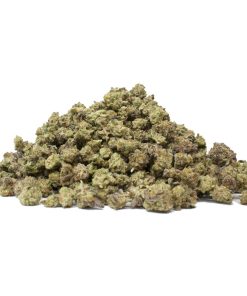
Hybrid cannabis strains

Vapes and Pre-Rolls
Reviews
There are no reviews yet.