
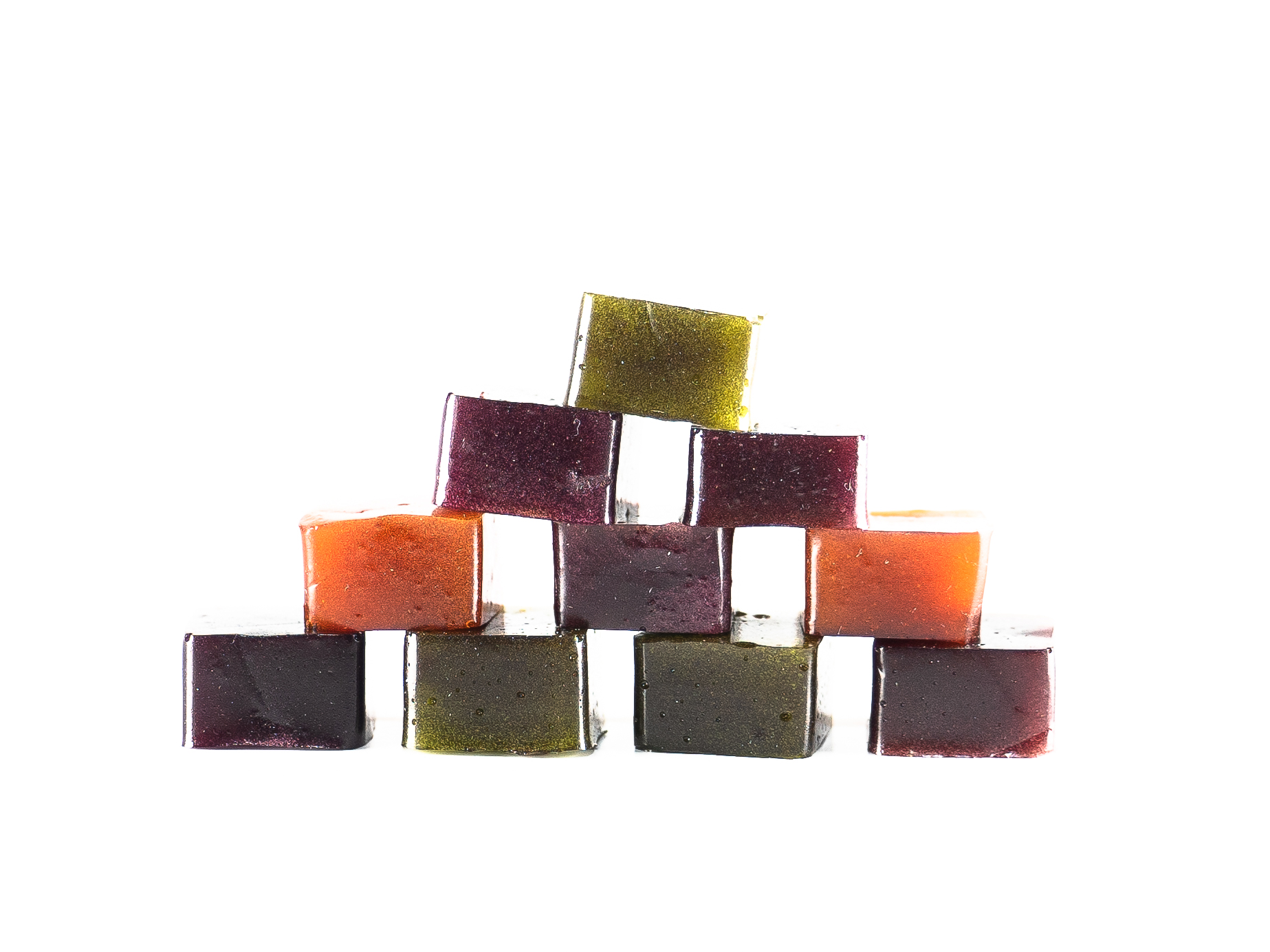
Mushroom gummies have become an increasingly visible part of the broader conversation surrounding gummies, wellness products, cannabinoids and alternative health products in Australia. However, Australians searching for mushroom gummies, CBD gummies Australia, hemp gummies Australia, THC gummies Australia or simply gummies Australia can easily encounter confusing information.
The most important point is that a gummy’s appearance does not determine its legal status. Instead, Australian law focuses heavily on what the product actually contains, how it is represented, whether it is a therapeutic product and how it is supplied.
For example, a conventional gummy containing an ordinary non-psychoactive mushroom ingredient is fundamentally different from a product containing psilocybin. Likewise, legal low-THC hemp seed foods are not the same as CBD gummies or THC-containing medicinal cannabis products.
Australia also does not operate the same retail cannabis system seen in jurisdictions such as parts of the United States or Canada. Medicinal cannabis can be legally supplied to eligible patients through Australia’s regulated medical system, while recreational cannabis remains prohibited in most circumstances across the country.
Understanding these distinctions makes it much easier to interpret searches for mushroom gummies, CBD gummies and cannabis edibles accurately.
What Are Mushroom Gummies?
The term mushroom gummies can describe several very different products.
Some gummies contain non-intoxicating mushroom ingredients or extracts marketed as food or wellness products. These should not automatically be confused with psychedelic mushrooms.
Other products marketed internationally as “magic mushroom gummies” may claim to contain psilocybin, psychedelic mushroom extracts or other psychoactive substances. Australian consumers should not assume that because such products appear on an overseas website they can legally be purchased, imported or possessed in Australia.
Psilocybin occupies a particularly restricted legal position. Australia does permit limited therapeutic access to psilocybin for treatment-resistant depression, but this does not create a general recreational or retail market for psychedelic mushroom gummies.
Under the current TGA framework, specialist psychiatrists must satisfy strict Authorised Prescriber requirements to use psilocybin for the permitted indication. Outside the specified therapeutic setting, psilocybin remains highly restricted.
Therefore, a consumer should always look beyond the word “mushroom” and determine what a product actually contains.
Mushroom Gummies Are Not the Same as CBD Gummies
Another important distinction involves CBD gummies Australia searches.
CBD stands for cannabidiol, one of the cannabinoids occurring in Cannabis sativa. CBD does not produce the same intoxicating “high” associated with THC. Nevertheless, that does not mean CBD products are automatically ordinary retail supplements in Australia.
The TGA classifies most therapeutic CBD preparations within Australia’s medicines framework. CBD preparations containing at least 98% CBD of the cannabinoid content generally fall within Schedule 4 when supplied for therapeutic use, subject to the relevant requirements.
Australia introduced a Schedule 3 pathway that could allow qualifying low-dose CBD medicines to be supplied by pharmacists without a prescription. However, the TGA states that there are currently no products on the Australian Register of Therapeutic Goods that satisfy the Schedule 3 CBD requirements.
This is extremely important for anyone searching for the best CBD gummies in Australia. A website claiming that CBD gummies can simply be bought like ordinary confectionery should not automatically be treated as evidence that the product is lawfully supplied in Australia.
For current regulatory information, readers can consult the Therapeutic Goods Administration medicinal cannabis information.
Hemp Gummies Australia: Hemp Does Not Automatically Mean CBD
Searches for hemp gummies Australia create another common source of confusion.
Hemp and marijuana varieties come from Cannabis sativa, but their chemical composition and legal treatment can differ substantially.
Australia and New Zealand amended their food standards in 2017 to permit qualifying low-THC hemp seed foods. Food Standards Australia New Zealand explains that permitted hemp foods contain no or very low levels of THC and should not be confused with medicinal cannabis products.
Therefore, a legal hemp seed food is not automatically a CBD product.
A product made from permitted hemp seed ingredients should also not be interpreted as providing the same cannabinoid exposure as medicinal CBD.
This distinction matters when assessing hemp gummies Australia because consumers may see the words “hemp”, “CBD” and “cannabis” used interchangeably in international marketing even though Australian regulation treats them differently.
Readers interested in the food-law side of hemp can review Food Standards Australia New Zealand’s information on hemp seeds as food.
THC Gummies Australia: Are THC Gummies Legal?
The phrase THC gummies Australia commonly refers to edible products containing delta-9-tetrahydrocannabinol.
THC is the cannabinoid primarily responsible for cannabis’s intoxicating effects.
Australia does not have a nationwide recreational THC gummy market. However, THC-containing products can exist within the medicinal cannabis framework when legally prescribed and supplied.
The TGA’s September 2026 medicinal cannabis product information confirms that cannabis medicines are categorised according to their cannabinoid composition. Products containing substantial levels of THC generally fall within Schedule 8 controlled-drug arrangements when prepared for therapeutic use.
The current TGA product list also demonstrates an important point: oral medicinal cannabis products can take forms beyond traditional dried flower. The list includes various oral preparations and pastilles containing THC. Inclusion in the TGA’s list, however, does not mean a product is available for unrestricted public retail sale.
Legal access generally requires an appropriate prescription and supply through lawful medical and pharmacy channels.
For a broader patient-friendly explanation, readers can consult Healthdirect Australia’s medicinal cannabis guide.
Are Edibles Legal in Australia?
The question “are edibles legal in Australia?” does not have a simple yes-or-no answer because “edibles” can describe many different products.
Ordinary food products containing permitted low-THC hemp seed ingredients can be legal when they comply with Australian food standards.
A THC-containing edible is different. THC remains tightly controlled, and lawful medicinal cannabis access does not amount to legal recreational retail access.
A CBD edible is different again. Therapeutic CBD remains regulated under Australia’s medicines framework, and Australians should not assume that CBD sweets freely sold on overseas websites can legally be purchased and imported.
Finally, a psilocybin-containing mushroom gummy falls into yet another regulatory category. Australia’s limited medical access to psilocybin does not establish a legal consumer market for psychedelic mushroom confectionery.
Consequently, when asking are edibles legal in Australia, consumers should first identify the active ingredient.
CBD Gummies Australia and the Medicinal Cannabis System
Medicinal cannabis has been legally accessible in Australia for several years, but access occurs within a regulated healthcare system.
The TGA states that patients may legally obtain medicinal cannabis products through a pharmacy when they have an appropriate prescription from a doctor or nurse practitioner. Many medicinal cannabis products remain unapproved therapeutic goods and are accessed through mechanisms such as the Special Access Scheme or Authorised Prescriber pathways.
This distinction matters for searches such as CBD gummies Australia and THC gummies Australia.
The fact that cannabinoids can legally be prescribed does not mean anyone can legally sell cannabinoid gummies directly to the Australian public.
Consumers should therefore be cautious about websites claiming to offer unrestricted cannabis products while avoiding Australia’s prescription and pharmacy system.
For additional Australian-focused educational reading, visit Aussie Medical Cannabis.
Best CBD Gummies in Australia: What Does “Best” Actually Mean?
Search engines receive significant interest around the phrase best CBD gummies in Australia. However, Australian consumers should approach the word “best” carefully.
It would be misleading to rank a prescription or unapproved therapeutic cannabis product as though it were an ordinary supermarket supplement.
A healthcare professional evaluating cannabinoid treatment may instead consider factors including cannabinoid composition, intended therapeutic use, medical history, possible medicine interactions, dosing requirements and the patient’s individual circumstances.
The legal source of the product is also essential.
The TGA warns that medicinal cannabis obtained from unlawful online suppliers may present problems with quality, safety or inaccurate cannabinoid concentrations.
Consequently, “best” should not simply mean the strongest CBD gummy or the product with the most attractive marketing.
For Australian consumers, regulatory status, professional medical advice and lawful supply channels are much more meaningful considerations.
How Oral Cannabis Products Differ From Inhaled Cannabis
Gummies and other edible-style products enter the body through the digestive system.
This changes the way cannabinoids are absorbed compared with inhalation.
Scientific studies of oral THC have found considerable variability between individuals and formulations. A systematic review of oral cannabis and THC preparations found that oral THC generally reaches peak concentrations later than inhaled cannabis and that absorption can vary significantly between products.
That matters because people familiar with inhaled cannabis may incorrectly expect edible products to act at the same speed.
Research also shows that CBD pharmacokinetics can vary depending on dose, formulation, route of administration and food intake.
Readers who want to examine the scientific literature directly can review this PubMed systematic review of oral cannabis and THC preparations.
This scientific variability is another reason that cannabinoid medicines should not be treated like conventional sweets.
Mushroom Gummies, THC Gummies and Driving
Australians should also remember that legal medical access does not automatically remove driving restrictions.
The TGA advises that it is illegal to drive while impaired by any substance or medication. It also warns that THC may impair driving and that drivers can face charges if THC is detected, even when the THC came from prescribed medicinal cannabis. State and territory requirements vary.
Therefore, a prescribed THC-containing oral cannabis product should never be viewed as equivalent to a normal gummy.
Patients using medicinal cannabis should discuss driving requirements with their healthcare practitioner and check the rules applying in their state or territory.
Why Overseas Gummies Can Be Misleading for Australians
International search results can create the impression that gummies Australia operates under the same laws as markets where recreational cannabis products are widely sold.
It does not.
An overseas retailer may legally sell certain cannabinoid products under the laws where that company operates, yet those products can still be restricted under Australian law.
The TGA specifically states that consumers cannot simply import medicinal cannabis from overseas retailers or websites for personal use.
Australian consumers should therefore be particularly cautious about:
Products claiming extremely high concentrations of cannabinoids; products with unclear ingredient lists; gummies presented as both “hemp” and “high THC”; products claiming therapeutic benefits without proper regulatory status; and psychedelic mushroom gummies marketed as ordinary confectionery.
The Importance of Reading the Ingredient List
When assessing mushroom gummies or cannabis-related gummies, the ingredient list is more useful than the front of the package.
“Mushroom”, “hemp”, “CBD”, “cannabis” and “THC” do not mean the same thing.
A conventional functional mushroom gummy may contain no cannabis ingredient whatsoever.
A permitted hemp food may contain hemp seed ingredients but not meaningful therapeutic CBD.
A CBD medicine involves cannabidiol.
A THC medicinal cannabis preparation contains controlled cannabinoids.
A psilocybin product is regulated under an entirely different framework.
Recognising those differences helps consumers interpret online claims more accurately.
Where to Explore Further
Australian cannabis regulation is complex because Commonwealth therapeutic-goods requirements interact with state and territory medicines, possession and driving laws.
For broader Australian cannabis education, readers can explore Australian medicinal cannabis information and research resources at Aussie Medical Cannabis.
Readers researching the differences between medicinal access and general cannabis law can also use AussieMedicalCannabis.com as a starting point for Australian cannabis law research.
For continuing educational material on CBD, THC, prescriptions, cannabis clinics and Australian regulations, visit Aussie Medical Cannabis educational resources.
Because cannabis and therapeutic-goods regulation can change, consumers should ultimately confirm legal requirements through the TGA and the health or medicines regulator in their own state or territory.
Frequently Asked Questions
1. Are mushroom gummies legal in Australia?
It depends entirely on the ingredients. Ordinary non-psychoactive mushroom products and psilocybin-containing products are not legally equivalent. Psilocybin has extremely limited medical access through authorised specialist psychiatrists for treatment-resistant depression, while other possession or supply remains highly restricted.
2. Can I legally buy CBD gummies in Australia?
Consumers should not assume that CBD gummies advertised online are ordinary legal retail supplements. CBD intended for therapeutic use is regulated through Australia’s medicines framework. Although a Schedule 3 pathway exists for qualifying low-dose CBD medicines, the TGA currently states that no products on the ARTG satisfy those Schedule 3 requirements.
3. Are hemp gummies Australia products the same as CBD gummies?
No. Permitted low-THC hemp seed foods are different from therapeutic CBD preparations. FSANZ permits qualifying low-THC hemp seed foods, but this does not turn ordinary hemp foods into medicinal CBD products.
4. Are THC gummies legal in Australia?
THC-containing products can be legally supplied in certain medicinal circumstances through Australia’s regulated prescription system. This should not be confused with a general legal recreational THC gummy market. THC-containing medicinal cannabis is subject to controlled-drug requirements and state or territory laws.
5. Are edibles legal in Australia?
Some edible products are legal, but legality depends on their ingredients and regulatory status. Qualifying hemp foods can be legally sold, while CBD, THC and psilocybin products are subject to substantially tighter controls. Therefore, the term “edible” alone cannot determine whether a product is legal in Australia.
Final Takeaway
Mushroom gummies are an excellent example of why Australian consumers need to look beyond a product’s name.
A mushroom gummy, hemp gummy, CBD gummy and THC gummy may look almost identical, yet Australian law may treat each product very differently.
Low-THC hemp seed foods have a legal pathway under Australia’s food standards. CBD products intended for therapeutic use fall within Australia’s medicines framework. THC-containing medicinal cannabis can be legally supplied to eligible patients through regulated healthcare pathways, but this does not create a nationwide recreational edible market. Psilocybin, meanwhile, has only narrowly defined therapeutic access through authorised specialist psychiatrists.
For anyone searching CBD gummies Australia, hemp gummies Australia, gummies Australia, best CBD gummies in Australia, THC gummies Australia or are edibles legal in Australia, the safest educational approach is to identify the active ingredient first and then check the Australian regulatory framework that applies to it.
Be the first to review “Buy Mushroom Gummies”
Related products
Edibles and Gummies
Hybrid cannabis strains
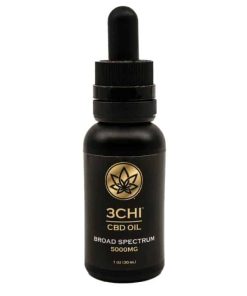
Cannabis Tincture
Hybrid cannabis strains
Hybrid cannabis strains
Hybrid cannabis strains
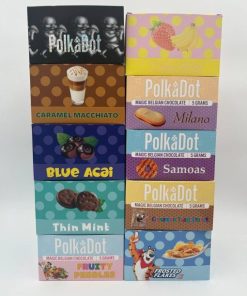
Edibles and Gummies
Cannabis Tincture
Reviews
There are no reviews yet.