
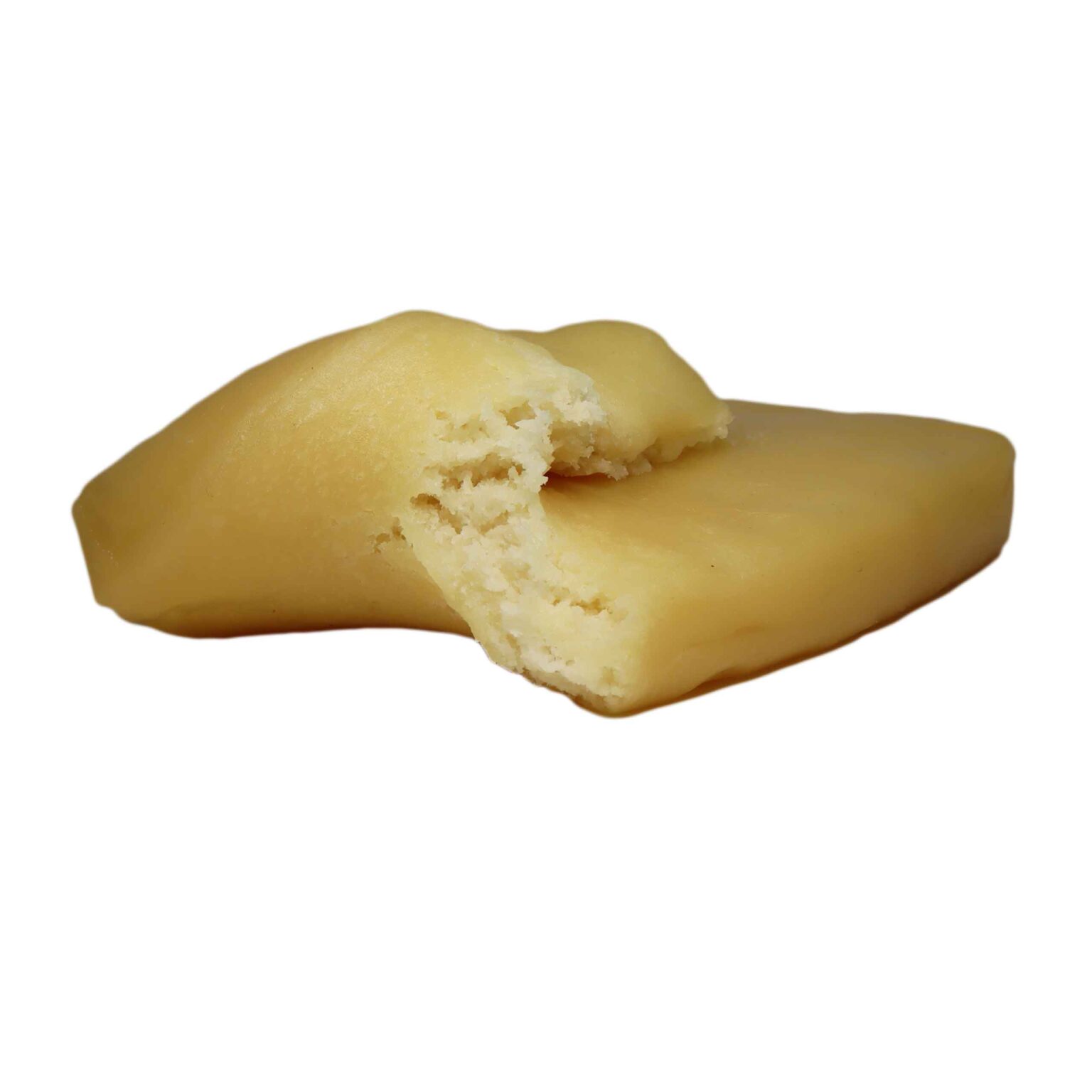
Miyagi-Do Full Melt Hash
Miyagi-Do Full Melt Hash is a cannabis concentrate produced from resin-rich trichomes that naturally contain cannabinoids, terpenes, flavonoids, and other plant compounds. As interest in medicinal cannabis continues to grow across Australia, many patients and healthcare professionals are seeking reliable educational information about concentrates and how they differ from more traditional medicinal cannabis formulations.
Unlike dried cannabis flower, full melt hash is created by separating the plant’s resin glands while minimising unwanted plant material. Consequently, these concentrates may contain higher concentrations of naturally occurring cannabinoids and terpenes, although the exact chemical profile varies according to genetics, cultivation methods, extraction techniques, and independent laboratory testing.
For readers looking to better understand medicinal cannabis, cannabinoid science, terpene education, and Australian regulations, comprehensive educational resources are available through https://aussiemedicalcannabis.com/.
Additionally, trusted organisations including the Therapeutic Goods Administration (TGA), Healthdirect Australia, PubMed, and Wikipedia provide valuable scientific and regulatory information that complements patient education.
Quick Facts
| Feature | Educational Overview |
|---|---|
| Product | Miyagi-Do Full Melt Hash |
| Product Type | Cannabis concentrate |
| Concentrate Category | Full melt hash |
| Primary Components | Cannabinoids and terpenes |
| Typical Colour | Light gold to amber (varies) |
| Laboratory Testing | Recommended for every batch |
| Australian Context | Medicinal cannabis is supplied through regulated healthcare pathways |
Key Takeaways
- Miyagi-Do Full Melt Hash is a resin concentrate rather than a standard dried flower product.
- Laboratory analysis is the most reliable method for confirming cannabinoid and terpene content.
- Product names do not determine potency or clinical suitability.
- Australia’s medicinal cannabis framework focuses on regulated prescribing and evidence-based patient care.
- Understanding cannabinoids and terpenes helps patients make more informed healthcare discussions.
What Is Miyagi-Do Full Melt Hash?
Full melt hash is produced by collecting the resin glands, also known as trichomes, from cannabis flowers. These resin glands naturally contain many of the compounds that researchers continue to study, including cannabinoids and aromatic terpenes.
The term “full melt” refers to the quality of the concentrate and how it behaves when heated. It is not a recognised medical classification, nor does it indicate that a product has been evaluated as a medicine.
Likewise, the name Miyagi-Do identifies a particular cultivar or product line rather than a standard pharmaceutical formulation. Therefore, healthcare professionals rely on laboratory data and product documentation instead of strain names when assessing medicinal cannabis products.
Reported Genetics
Publicly available information regarding the exact breeding lineage of Miyagi-Do remains limited. As with many boutique cultivars, breeder information may vary depending on the source.
Consequently, readers should consider reported genetics as background information rather than verified scientific data. More important for patient education are the measurable characteristics of each individual batch, including cannabinoid content, terpene profile, and quality testing.
Appearance
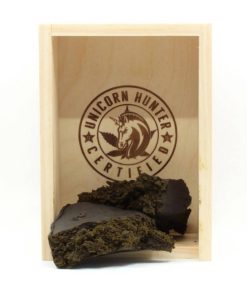
Miyagi-Do Full Melt Hash is commonly described as having:
- Golden to amber colouring
- Sticky resin consistency
- Fine trichome-rich texture
- Minimal visible plant material
- Aromatic resin profile
However, colour alone should never be interpreted as an indicator of quality or cannabinoid concentration. Storage conditions, extraction methods, and oxidation all influence appearance.
Aroma and Flavour
Although aroma varies between batches, reported sensory characteristics may include:
- Citrus
- Earth
- Pine
- Sweet herbal notes
- Pepper
- Light floral aromas
These characteristics are produced primarily by terpenes rather than cannabinoids.
Cannabinoid Profile
There is no universal cannabinoid profile for Miyagi-Do Full Melt Hash. Instead, laboratory testing determines the concentrations of compounds present in each individual batch.
A certificate of analysis may include:
- Total THC
- Total CBD
- Minor cannabinoids
- Terpene analysis
- Heavy metal screening
- Microbiological testing
- Residual solvent testing where applicable
Therefore, clinicians generally evaluate laboratory reports instead of relying solely on product names.
Common Terpenes
Myrcene
Myrcene contributes earthy and herbal aromas and is one of the most commonly identified terpenes in cannabis.
Beta-Caryophyllene
Beta-caryophyllene provides peppery and woody notes. Researchers continue to investigate its interaction with cannabinoid receptors as part of ongoing medicinal cannabis research.
Limonene
Limonene contributes bright citrus aromas and is frequently identified in cultivars with fruit-forward aromatic profiles.
Pinene
Pinene is associated with fresh pine aromas and occurs naturally in numerous plant species.
How Full Melt Hash Is Produced
Full melt hash is produced by separating resin glands from harvested cannabis flowers using carefully controlled mechanical techniques. Depending on the production method, the resin may then be filtered, dried, and prepared to preserve as much of the natural cannabinoid and terpene profile as possible.
Unlike solvent-based concentrates, some full melt products are produced using water and mechanical separation techniques. Regardless of the manufacturing process, quality assurance and laboratory testing remain essential components of product evaluation.
Why Laboratory Testing Matters
Independent laboratory testing plays a critical role in medicinal cannabis quality assurance. Testing helps identify:
- Cannabinoid concentrations
- Terpene composition
- Potential contaminants
- Heavy metals
- Microbial contamination
- Residual solvents where relevant
Because cannabinoid content can vary significantly between batches, laboratory analysis provides far more reliable information than marketing descriptions or strain names.
Readers interested in cannabinoid science, medicinal cannabis research, and Australian patient education can continue exploring educational resources through https://aussiemedicalcannabis.com/ before discussing treatment options with a qualified healthcare professional.
Understanding Medicinal Cannabis in Australia
Medicinal cannabis has become an increasingly important area of healthcare and scientific research in Australia. Rather than focusing on individual strain names alone, healthcare professionals consider the cannabinoid profile, formulation, available clinical evidence, patient history, and treatment goals when assessing whether a medicinal cannabis product may be appropriate.
Although products such as Miyagi-Do Full Melt Hash are often discussed within the cannabis community, medicinal cannabis treatment decisions are based on regulated healthcare practices rather than cultivar names. Patients should always discuss treatment options with a qualified healthcare professional who can evaluate their individual circumstances.
To learn more about medicinal cannabis, cannabinoid science, terpene education, and Australian regulations, explore the educational resources available at https://aussiemedicalcannabis.com/.
Medicinal Cannabinoids
Cannabinoids are naturally occurring compounds found in the cannabis plant. Researchers continue to investigate how different cannabinoids interact with the body’s endocannabinoid system and how they may contribute to therapeutic outcomes in certain medical conditions.
Some of the most widely studied cannabinoids include:
- THC (tetrahydrocannabinol), the primary psychoactive cannabinoid.
- CBD (cannabidiol), a non-intoxicating cannabinoid that has been studied across a range of therapeutic applications.
- Minor cannabinoids, such as CBG, CBC and CBN, which continue to be investigated in pre-clinical and clinical research.
Importantly, the overall cannabinoid profile of a product is generally more informative than the product name alone.
Medicinal Cannabis in Western Australia
Interest in medicinal cannabis Western Australia has continued to grow as more healthcare professionals and patients seek evidence-based information about cannabinoid medicines.
Western Australia follows Australia’s broader medicinal cannabis framework while also applying state-specific requirements relating to prescribing, dispensing, and medicine management. Patients should therefore rely on current guidance from healthcare professionals and official government resources rather than informal online information.
Additionally, researchers continue to study medicinal cannabinoids and how different formulations may influence patient outcomes. However, evidence varies depending on the condition being treated, the formulation used, and the quality of available clinical studies.
Medicinal Cannabis in Victoria
Educational searches relating to medical cannabis Victoria often focus on regulations, patient responsibilities, and medicine safety.
Victoria follows Australia’s regulated medicinal cannabis framework, with healthcare practitioners assessing whether medicinal cannabis may be appropriate based on individual clinical circumstances. As with other medicines, treatment decisions should be personalised and supported by ongoing monitoring where required.
Patients should also remain informed about state-specific legal responsibilities, particularly those relating to driving and workplace safety.
Driving and Medicinal Cannabis
One of the most common questions concerns medical marijuana Victoria driving and whether medicinal cannabis affects driving responsibilities.
Driving laws differ between Australian jurisdictions. In several states, including Victoria and Western Australia, the presence of THC may have legal implications regardless of whether the medicine was lawfully prescribed. Consequently, patients prescribed THC-containing medicines should discuss driving responsibilities with their healthcare practitioner and familiarise themselves with the applicable state legislation.
Understanding these requirements is an important part of using any prescribed medicine safely and responsibly.
How Much Does Medicinal Cannabis Cost?
Many Australians also ask, “How much is medicinal cannabis?” The answer varies because treatment costs depend on several factors, including:
- Product formulation
- Cannabinoid composition
- Dosage requirements
- Consultation fees
- Pharmacy dispensing costs
- Ongoing clinical review
Rather than focusing solely on price, patients are encouraged to consider the overall quality of care, clinical support, and evidence supporting the prescribed treatment plan.
Current Research
Scientific understanding of medicinal cannabis continues to evolve. Researchers are investigating cannabinoids, terpenes, dosing strategies, and different product formulations across a variety of medical conditions.
Although promising evidence exists in some areas, the strength of evidence differs considerably depending on the condition, the specific cannabinoid profile, and study quality. Consequently, treatment decisions should always be guided by current clinical evidence rather than anecdotal reports.
Healthcare professionals also continue to monitor emerging research as new studies improve understanding of medicinal cannabis and cannabinoid-based medicines.
Comparison Table
| Feature | Miyagi-Do Full Melt Hash | Medicinal Cannabis Oil |
|---|---|---|
| Product Type | Cannabis concentrate | Pharmaceutical-style oil formulation |
| Cannabinoid Content | Batch dependent | Clearly labelled formulation |
| Dose Consistency | Variable | Measured dosing |
| Laboratory Testing | Essential | Essential |
| Clinical Assessment | Recommended | Required before prescribing |
| Primary Focus | Concentrated resin | Controlled medicinal formulation |
Where to Explore Educational Information
Learning about medicinal cannabis involves much more than understanding individual cultivars. Patients and healthcare professionals benefit from learning about cannabinoids, terpenes, laboratory testing, Australian regulations, medicine safety, and current scientific evidence.
For educational articles covering medicinal cannabis, cannabinoid science, strain profiles, concentrates, and Australian healthcare guidance, continue exploring https://aussiemedicalcannabis.com/.
Additional evidence-based information is available from:
- Therapeutic Goods Administration (TGA)
- Healthdirect Australia
- PubMed
- Australian state health departments
Conclusion
Miyagi-Do Full Melt Hash demonstrates why cannabis concentrates should be understood through scientific analysis rather than product names alone. Laboratory testing, cannabinoid composition, terpene profiles, and quality assurance provide a far more meaningful understanding of a product than branding or reputation.
Furthermore, Australia’s medicinal cannabis framework continues to develop alongside emerging clinical research. By learning about medicinal cannabinoids, evidence-based medicine, and Australian regulations, patients can have more informed discussions with healthcare professionals and better understand the role medicinal cannabis may play within modern healthcare.
Frequently Asked Questions
1. What is Miyagi-Do Full Melt Hash?
Miyagi-Do Full Melt Hash is a cannabis concentrate produced primarily from resin-rich trichomes. Its cannabinoid and terpene composition varies according to the individual batch and laboratory testing.
2. Is full melt hash the same as medicinal cannabis oil?
No. Full melt hash is a concentrated resin product, whereas medicinal cannabis oils are formulated medicinal products with measured cannabinoid concentrations.
3. What are medicinal cannabinoids?
Medicinal cannabinoids are naturally occurring compounds found in cannabis, including THC and CBD, that continue to be studied for their potential therapeutic applications.
4. Why is laboratory testing important?
Laboratory testing helps verify cannabinoid concentrations, terpene content, product consistency, and the absence of contaminants, supporting informed clinical decision-making.
5. Where can I learn more about medicinal cannabis in Australia?
Educational information about medicinal cannabis, cannabinoids, terpenes, current research, and Australian regulations is available through https://aussiemedicalcannabis.com/ and official Australian health authorities.
| Quantity | 7 Grams, 14 Grams, 28 Grams |
|---|
Be the first to review “Miyagi-Do Full Melt Hash”
Related products
Hash
Hash
Reviews
There are no reviews yet.