
Budder – Island Sweet Skunk
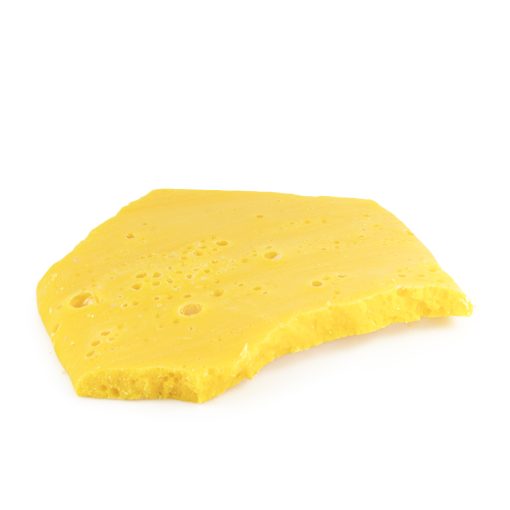
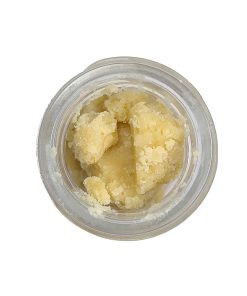
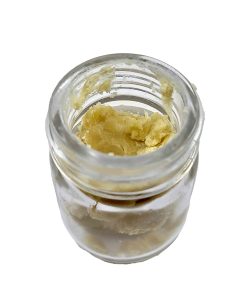
Island Sweet Skunk Budder is a soft cannabis concentrate associated with the Island Sweet Skunk cultivar. Budder generally has a creamy, wax-like texture and contains concentrated cannabinoids and aromatic terpenes. However, the product name alone cannot confirm potency, purity, safety or medical suitability. Therefore, laboratory testing remains the most reliable way to understand an individual batch.
Readers can explore additional Australian medicinal cannabis education covering concentrates, cannabinoids, terpenes, laboratory standards and current regulations.
Quick Facts
| Feature | Educational overview |
|---|---|
| Product | Island Sweet Skunk Budder |
| Category | Cannabis concentrate |
| Texture | Soft, creamy or whipped |
| Typical colour | Pale gold, yellow or amber |
| Reported aroma | Tropical fruit, citrus, herbs and spice |
| Cannabinoids | Batch dependent |
| Terpenes | Must be confirmed through testing |
| Educational focus | Concentrates, tobacco law and public-place smoking rules |
What Is Island Sweet Skunk Budder?
Budder is made by processing extracted cannabis resin until it develops a smooth, buttery texture. During finishing, controlled agitation may change the structure of the concentrate. As a result, budder is generally softer than brittle extracts such as shatter.
Island Sweet Skunk Budder refers to budder produced from, or marketed in association with, Island Sweet Skunk plant material. Nevertheless, products carrying the same name may differ considerably. Genetics, cultivation conditions, extraction methods, storage and age can all influence the final chemical profile.
Moreover, the Therapeutic Goods Administration medicinal cannabis hub explains that medicinal cannabis products in Australia are regulated as medicines. Many are supplied as unapproved therapeutic goods through specific regulatory pathways.
Appearance, Aroma and Flavour
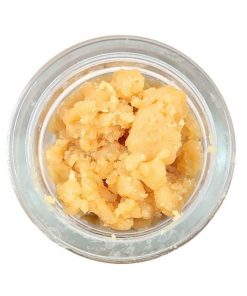
Island Sweet Skunk Budder may appear pale yellow, gold, amber or beige. Furthermore, its texture may vary from creamy and smooth to crumbly or slightly sticky, depending on temperature and storage.
Reported aroma and flavour themes may include:
- Tropical fruit
- Sweet citrus
- Grapefruit or orange peel
- Herbal notes
- Pepper
- Earth
- Light floral undertones
However, aroma does not reveal THC concentration. Likewise, colour cannot confirm quality because oxidation, extraction and storage conditions may change a concentrate’s appearance.
Cannabinoids and Terpenes
Cannabinoids are naturally occurring cannabis compounds. THC is the main intoxicating cannabinoid, whereas CBD has a different, non-intoxicating pharmacological profile. Meanwhile, minor cannabinoids such as CBG, CBC and CBN remain areas of ongoing research.
Possible terpenes in a citrus-forward concentrate may include:
- Limonene, associated with citrus aromas
- Myrcene, associated with earthy and herbal notes
- Beta-caryophyllene, associated with pepper and spice
- Pinene, associated with pine-like aromas
- Terpinolene, associated with floral, herbal and citrus characteristics
Nevertheless, these compounds cannot be confirmed from a cultivar name alone. Consequently, readers should rely on a batch-specific certificate of analysis.
Why Laboratory Testing Matters
A detailed laboratory report may include:
- Total THC and CBD
- Minor cannabinoids
- Terpene concentrations
- Microbial screening
- Heavy metals
- Pesticide residues
- Residual solvents, where relevant
Furthermore, Australian medicinal cannabis products must meet specific quality requirements under TGO 93. Therefore, laboratory quality and accurate cannabinoid reporting are more meaningful than branding or popularity.
Can You Smoke on the Beach in Australia?
There is no single rule covering every Australian beach. Instead, beach-smoking restrictions depend on state, territory and local laws.
For example, smoking and vaping are prohibited at Victoria’s patrolled beaches in the area between the red-and-yellow lifesaving flags and within 50 metres of those flags during patrolled hours.
Elsewhere, councils and state governments may establish additional smoke-free zones. Therefore, a person should check beach signs and the relevant local authority’s rules rather than assuming that smoking is allowed simply because the area is outdoors.
Importantly, the same principle applies to medicinal cannabis. A prescription does not automatically override public smoking or vaping restrictions.
Cigarette and Tobacco Laws in Australia
Australian tobacco law operates across Commonwealth, state, territory and local levels. At the national level, the Public Health (Tobacco and Other Products) Act 2023 regulates areas such as packaging, product requirements, advertising, sponsorship and reporting. It commenced on 1 April 2024, with further transition measures applying afterward.
Additionally, it is illegal anywhere in Australia to sell or supply tobacco products to a person under 18. However, enforcement and rules concerning possession by minors can vary by jurisdiction.
Smoking and vaping are also prohibited in many enclosed public places and selected outdoor areas. For instance, NSW bans smoking and vaping in enclosed public places, commercial outdoor dining areas and other specified public locations.
Therefore, phrases such as Australian smoking age, Australia cigarette laws and smoking in Australia refer to a broad legal framework rather than one simple national rule.
Australian Smoking Age
The legal sales age for tobacco across Australia is 18. In other words, retailers cannot lawfully sell or supply cigarettes or other tobacco products to anyone younger than 18.
Nevertheless, this does not mean tobacco use is otherwise unrestricted for adults. Public-place bans, packaging rules, advertising restrictions, venue policies and local smoke-free zones continue to apply.
Chewing Tobacco in Australia
Chewing tobacco is a form of smokeless tobacco. Although it is sometimes viewed as different from cigarettes, it still contains nicotine and cancer-causing chemicals. Australian health authorities state that smokeless tobacco can increase the risk of oral, oesophageal and pancreatic cancers, as well as heart disease and stroke.
Commercial importation and sale of chewing tobacco, oral tobacco, snuff and similar products are generally prohibited in Australia. However, limited personal import rules may apply in specific circumstances, including declaration, duty and quantity requirements.
Consequently, chewing tobacco Australia and Australian chewing tobacco are best treated as legal and public-health searches, not ordinary retail product searches.
Cannatrek Product Searches Explained
The TGA maintains a searchable medicinal cannabis product list organised by active ingredients, dosage form, sponsor and package size. The list includes multiple dried-herb products sponsored by Cannatrek Medical Pty Ltd with differing cannabinoid concentrations.
However, the TGA list is not a consumer ranking and does not identify a “best” Cannatrek flower. Furthermore, inclusion on the product list does not mean that every product is appropriate for every patient.
Instead, product assessment should consider:
- Cannabinoid composition
- Dosage form
- Package size
- Laboratory quality
- Individual medical circumstances
- Possible medicine interactions
- Professional clinical assessment
Readers can also explore more Australian cannabis product education without relying on popularity-based rankings.
Frequently Searched Educational Terms
The following phrases are included to explain common search behaviour. They are not endorsements, product recommendations or instructions for obtaining cannabis.
| Frequently searched term | Educational explanation |
| Can you smoke on the beach? | Beach-smoking rules vary by state, territory and local council. Some patrolled and designated beaches are smoke-free. |
| Cigarette laws Australia | Refers to national product laws together with state and territory rules covering sales and public smoking. |
| Australian tobacco, Australia tobacco | Broad searches concerning tobacco regulation, public health and smoking rates. |
| Australia cigarette | A general phrase relating to cigarettes sold and regulated in Australia. |
| Smoking in Australia | Refers to public-health information, smoking prevalence and smoke-free laws. |
| Australian smokers, Australia smokers | Broad demographic searches concerning tobacco use among Australians. |
| Australian smoking age | The minimum legal age for tobacco sales and supply is 18. |
| Australian smoking | A general phrase covering tobacco use, public policy and health effects. |
| Chewing tobacco Australia | A legal and public-health search concerning smokeless tobacco, which is heavily restricted. |
| Australian chewing tobacco | Refers to chewing-tobacco rules, health risks and limited personal-import conditions. |
| Cannatrek flower products list | Usually refers to dried medicinal cannabis products associated with Cannatrek and listed by active ingredients. |
| Cannatrek product list Australia | A search for regulatory product information rather than a recommendation list. |
| Best Cannatrek flower | A subjective ranking phrase. No single flower is universally best because suitability depends on chemistry, formulation and patient circumstances. |
Frequently Asked Questions
What is Island Sweet Skunk Budder?
It is a soft cannabis concentrate associated with Island Sweet Skunk plant material. Its exact cannabinoid and terpene profile varies by batch.
Can you smoke on every Australian beach?
No. Beach-smoking laws vary, and some patrolled or designated beaches are smoke-free.
What is the legal smoking age in Australia?
It is illegal to sell or supply tobacco products to anyone under 18.
Is chewing tobacco legal to sell in Australia?
Commercial sale and importation are generally prohibited, although limited personal-import exceptions may apply.
Does the TGA recommend the best Cannatrek flower?
No. The TGA product list provides regulatory and ingredient information, not rankings or personalised treatment recommendations.
Be the first to review “Budder – Island Sweet Skunk”
Related products
Buy Budder Online
Buy Budder Online
Cannabis Tincture
Buy Budder Online
Buy Budder Online
Buy Budder Online
Buy Budder Online
Hybrid cannabis strains
Reviews
There are no reviews yet.