
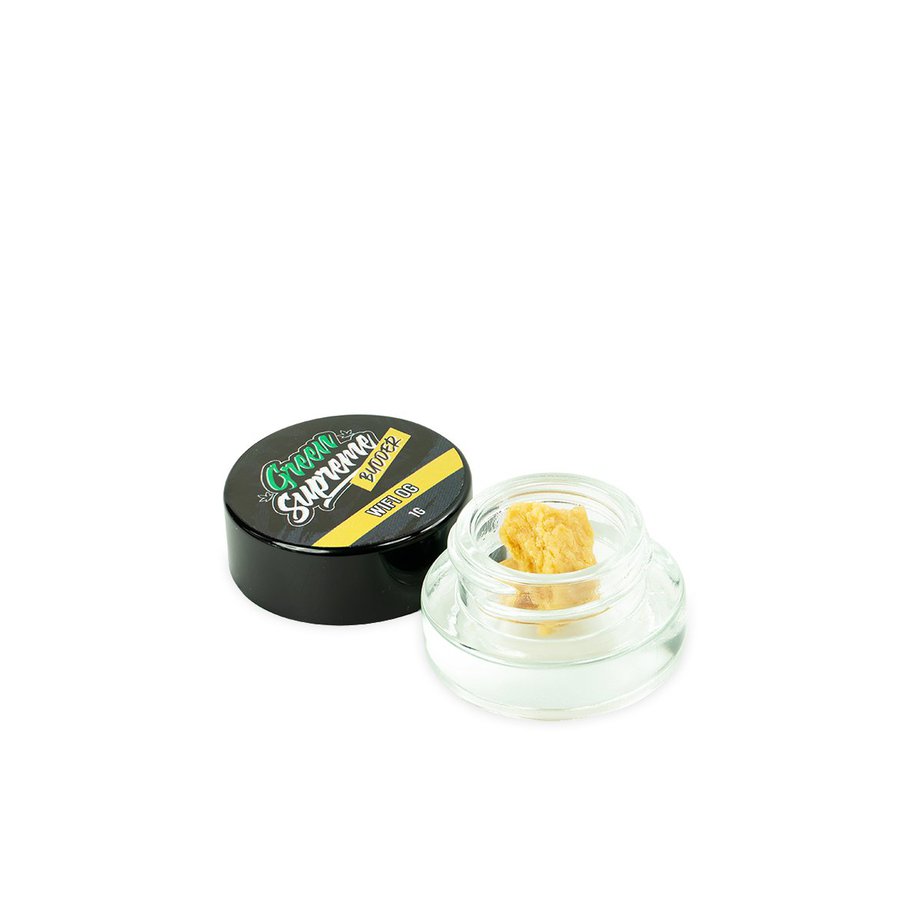
Green Supreme Budder
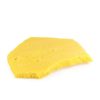
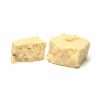
Green Supreme Budder is a soft cannabis concentrate generally described as having a creamy or wax-like consistency. Like other budder concentrates, it contains extracted cannabinoids and aromatic compounds from cannabis plant material. However, the name Green Supreme does not independently confirm its genetics, potency, purity or medical suitability. Therefore, readers should rely on verified product documentation and batch-specific laboratory results.
Further information about concentrates and Australian regulation is available through the Aussie Medical Cannabis education hub.
Quick Facts
| Feature | Educational overview |
|---|---|
| Product | Green Supreme Budder |
| Category | Cannabis concentrate |
| Texture | Creamy, whipped or wax-like |
| Typical colour | Pale yellow, gold or light amber |
| Cannabinoids | Depend on the individual batch |
| Terpenes | Require laboratory confirmation |
| Main focus | Concentrate science and Australian cultivation laws |
| Medical status | Suitability requires professional assessment |
What Is Green Supreme Budder?
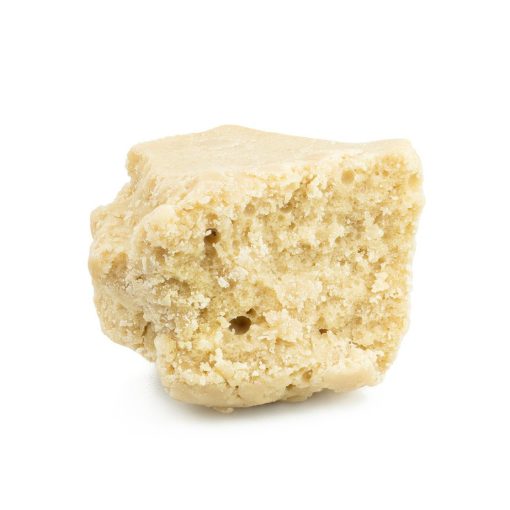
Budder is produced by extracting resin-rich compounds from cannabis and processing the resulting extract into a soft texture. Controlled agitation during finishing may create the whipped or buttery consistency that distinguishes budder from harder concentrates such as shatter.
Green Supreme Budder may be associated with plant material marketed under the Green Supreme name. Nevertheless, cannabis naming is not standardised. As a result, two products carrying similar names may have different cannabinoid concentrations, terpene profiles and manufacturing characteristics.
Moreover, the Therapeutic Goods Administration medicinal cannabis hub explains that medicinal cannabis products in Australia operate within a regulated therapeutic-goods framework. Many products remain unapproved medicines supplied through specific prescribing pathways.
Appearance, Aroma and Flavour
Green Supreme Budder may appear yellow, gold, beige or light amber. Its consistency can range from creamy and smooth to dry or crumbly, particularly when storage temperature changes.
Possible aromatic characteristics may include:
- Earthy notes
- Herbs
- Citrus
- Pine
- Pepper
- Mild sweetness
- Floral undertones
However, neither smell nor colour reveals the concentration of THC or CBD. Likewise, a visually appealing product is not necessarily free from contaminants. Consequently, sensory descriptions should remain secondary to laboratory evidence.
Cannabinoids and Terpenes
Cannabinoids are compounds that interact with the body’s endocannabinoid system. THC is primarily associated with intoxicating effects, whereas CBD has a different, non-intoxicating pharmacological profile. Other cannabinoids, including CBG, CBC and CBN, may also appear in smaller concentrations.
Potential terpenes in herbal or citrus-forward cannabis material may include:
- Myrcene, associated with herbal and earthy aromas
- Limonene, associated with citrus notes
- Beta-caryophyllene, associated with spice and pepper
- Pinene, associated with pine aromas
- Linalool, associated with floral characteristics
Nevertheless, these terpenes cannot be confirmed from the product name. Therefore, a batch-specific certificate of analysis is essential.
Why Laboratory Testing Matters
A useful laboratory report may identify:
- Total THC and CBD
- Minor cannabinoid concentrations
- Terpene composition
- Microbial contamination
- Heavy metals
- Pesticide residues
- Residual solvents, where relevant
Furthermore, cannabinoid concentrations can differ substantially among concentrates. Therefore, product names and informal strain descriptions should never replace accurate analytical results.
Understanding the Cannatrek Product List
Searches for a Cannatrek product list or Cannatrek strains often reflect interest in medicinal cannabis products sponsored by Cannatrek Medical Pty Ltd.
The TGA medicinal cannabis product list currently includes multiple Cannatrek entries across dried herb and other dosage forms. The dried-herb entries have varied cannabinoid compositions and package sizes. However, the list primarily identifies dosage form, active ingredients, quantity and sponsor rather than presenting consumer-friendly strain rankings.
Therefore, the TGA list should not be interpreted as:
- A recommendation to use a particular product
- A complete retail catalogue
- A ranking of the strongest products
- Evidence that every product suits every patient
- Confirmation that a product is currently available through every pharmacy
Instead, a healthcare practitioner considers the active ingredients, dosage form, medical history, current medicines and potential risks. The TGA also notes that evidence for medicinal cannabis varies by condition, product and dose, which makes universal product recommendations inappropriate.
Readers can explore further Australian cannabis product education without relying on promotional strain lists.
Is Growing One Cannabis Plant Legal in Australia?
The answer depends on the jurisdiction. However, growing one recreational cannabis plant is not generally lawful in NSW, Western Australia, South Australia or Victoria.
The Australian Capital Territory has different personal-use rules for eligible adults, but those ACT provisions do not apply in other states or territories. Furthermore, Commonwealth law and restrictions concerning supply, sale, public use and hydroponic cultivation can still be relevant.
A medicinal cannabis prescription also does not authorise home cultivation. Commercial or research cultivation requires appropriate Commonwealth licensing and permits.
Growing One Plant in New South Wales
Growing cannabis for personal use remains illegal in NSW under the Drug Misuse and Trafficking Act 1985. NSW Health specifically confirms that personal cultivation remains unlawful.
Legal Aid NSW likewise explains that growing or manufacturing illegal drugs is a criminal offence. Penalties and procedures depend on the facts, including the number of plants, cultivation method and evidence of supply.
Therefore, the answer to how many plants for personal use in NSW is not a lawful personal allowance. Growing one plant can still constitute an offence.
Growing One Plant in Western Australia
Personal or home cannabis cultivation remains illegal in Western Australia, whether intended for recreational or self-described medical use. HealthyWA confirms that Commonwealth medicinal cannabis reforms did not legalise home cultivation.
Western Australian legislation also prohibits cultivation of cannabis unless the activity falls within an authorised licensing framework, such as licensed industrial hemp or medicinal research.
Although cannabis-law reform proposals have been discussed in the Western Australian Parliament, a proposal is not the same as legislation currently in force. Therefore, readers should rely on enacted law and official government updates.
Growing Cannabis in South Australia
It remains illegal to grow, possess, use, sell or give away cannabis in South Australia. However, some minor cannabis offences may be handled through an expiation process rather than immediate prosecution. This difference in enforcement does not make personal cultivation legal.
SA Health also confirms that people cannot legally grow their own cannabis for medicinal use, even when medicinal cannabis has been prescribed by an authorised practitioner.
Consequently, how many plants for personal use in South Australia should not be interpreted as a legal allowance.
Can You Grow Cannabis in Victoria?
Growing cannabis for personal or recreational use remains illegal in Victoria. Victorian health guidance states that a person cannot legally grow their own cannabis for medicinal purposes and that prescribed medicinal cannabis must be accessed through lawful healthcare pathways.
Legal Aid Victoria also identifies cultivation, possession and use of cannabis as offences under Victorian drug law.
Licensed medicinal or research cultivation is different. Businesses require both a licence and permit from the Commonwealth Office of Drug Control before cultivating cannabis for these authorised purposes.
Frequently Searched Educational Terms
| Search term | Educational explanation |
| Cannatrek product list | Refers to Cannatrek-sponsored dosage forms and active ingredients appearing in regulatory product information. |
| Cannatrek strains | An informal search phrase. Regulatory lists usually organise products by cannabinoids, dosage form and sponsor rather than strain popularity. |
| Growing 1 plant | Growing even one recreational cannabis plant may be an offence outside the ACT. |
| How many plants for personal use NSW? | NSW does not provide a lawful recreational personal-growing allowance. |
| Growing 1 plant Western Australia | Personal cultivation remains illegal in Western Australia. |
| Growing 1 plant NSW | One plant may still constitute unlawful cultivation. |
| How many plants for personal use South Australia? | South Australia may use expiation for certain minor offences, but cultivation remains illegal. |
| Can you grow marijuanas in Victoria? | Personal and recreational cultivation remains illegal in Victoria. |
Frequently Asked Questions
What is Green Supreme Budder?
Green Supreme Budder is a soft cannabis concentrate. Its precise cannabinoids, terpenes and strength depend on the tested batch.
Does a Cannatrek product list rank the best strains?
No. The TGA list provides regulatory product details and does not rank products by quality, strength or suitability.
Can you grow one cannabis plant in NSW?
No lawful personal cultivation allowance applies in NSW. Growing cannabis for personal use remains illegal.
Is one cannabis plant legal in South Australia?
No. Cultivation remains illegal, although some minor offences may be dealt with through expiation rather than prosecution.
Can medicinal cannabis patients grow their own plants?
Generally, no. A prescription does not authorise personal cultivation. Licensed medicinal or research cultivation requires Commonwealth permission.
Be the first to review “Green Supreme Budder”
Related products
Buy Budder Online
Sativa Cannabis Strain
Cannabis Tincture
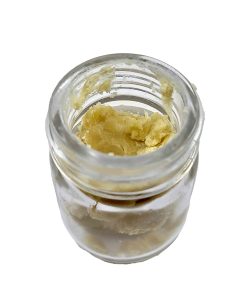
Buy Budder Online
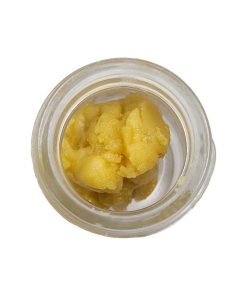
Buy Budder Online
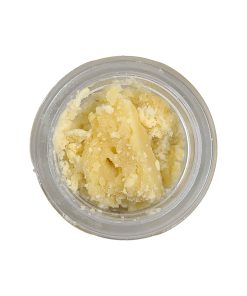
Buy Budder Online
Edibles and Gummies
Buy Budder Online
Reviews
There are no reviews yet.