
CBD oil has become one of the most discussed cannabis-related products in Australia. Australians searching for CBD oil, a CBD clinic, CBD clinic Melbourne, CBD cream Australia, cannabidiol meaning, what is cannabidiol, or what are hemp gummies used for can encounter a mixture of medical information, international product advertising and sometimes misleading claims.
The Australian situation is important to understand because CBD products are not regulated in exactly the same way as ordinary vitamins, cosmetics or supermarket supplements.
Cannabidiol, commonly shortened to CBD, comes from the cannabis plant. Unlike tetrahydrocannabinol, or THC, CBD itself is not generally associated with the intoxicating “high” produced by THC. However, the absence of an intoxicating effect does not automatically make a therapeutic CBD product freely available for retail purchase in Australia.
Australia regulates medicinal cannabis and therapeutic CBD products through federal medicines rules alongside state and territory requirements.
According to Australia’s Therapeutic Goods Administration, CBD preparations containing at least 98% cannabidiol of the total cannabinoid content can fall within Schedule 4, Prescription Only Medicine, when supplied for therapeutic purposes. A Schedule 3 pathway also exists for qualifying low-dose CBD medicines, but the TGA currently states that there are no products on the Australian Register of Therapeutic Goods meeting the requirements for this Schedule 3 classification.
That distinction is fundamental when researching CBD oil in Australia.
What Is Cannabidiol?
People frequently search what is cannabidiol because the terminology surrounding cannabis can be confusing.
Cannabidiol is one of many naturally occurring chemical compounds known as cannabinoids that occur in Cannabis sativa. Two of the most widely discussed cannabinoids are:
- cannabidiol, or CBD
- tetrahydrocannabinol, or THC
CBD and THC interact with the human body differently.
THC produces significant psychoactive effects and can cause intoxication. CBD does not ordinarily create the same cannabis “high”.
Healthdirect Australia notes that cannabis contains around 130 cannabinoids and identifies THC and CBD as two of the principal cannabinoids discussed in medicinal cannabis treatment.
Therefore, when someone asks about the cannabidiol meaning, the simplest definition is:
Cannabidiol is a naturally occurring cannabinoid found in cannabis that does not produce the characteristic intoxicating effects associated with THC.
However, that definition should not be interpreted to mean that every cannabidiol product is automatically legal, suitable or medically appropriate.
Cannabidiol Meaning in Australian Medicine
The cannabidiol meaning becomes more specific when discussing Australian medicines regulation.
Australia categorises medicinal cannabis products partly according to their cannabinoid composition.
Current TGA medicinal cannabis categories include a Category 1 classification for products where CBD represents at least 98% of total cannabinoid content. These products are generally classified as Schedule 4 Prescription Only medicines.
Products containing proportionally larger amounts of other cannabinoids, including THC, may instead fall into Schedule 8 controlled-drug categories.
This means two bottles both described informally as “cannabis oil” could have very different cannabinoid compositions and different regulatory requirements.
Consumers should therefore look beyond marketing terminology.
CBD Oil in Australia: Is It Legal?
CBD oil can be legally accessed in Australia under appropriate circumstances.
Medicinal cannabis itself is legal in Australia when it is prescribed and supplied through lawful medical pathways.
Healthdirect explains that medicinal cannabis is highly regulated and normally requires a prescription from an authorised healthcare practitioner or participation in an appropriate clinical trial.
For official patient information, readers can review the Australian Government Healthdirect medicinal cannabis guide.
The legal situation should not be confused with the widespread retail model found in some overseas countries.
A website being willing to ship “CBD oil Australia” products does not necessarily establish that those products can legally be supplied to Australian consumers.
Can CBD Oil Be Purchased Without a Prescription?
The search phrase can CBD oil be purchased without a prescription often produces confusing answers.
Australia created a Schedule 3 pathway for certain low-dose cannabidiol preparations. Schedule 3 medicines can ordinarily be supplied by pharmacists without a prescription when all regulatory requirements are met.
However, the TGA currently states that no CBD product registered on the ARTG meets the requirements for Schedule 3 CBD supply.
Consequently, Australians should not interpret the existence of the Schedule 3 classification as meaning that ordinary over-the-counter CBD oils are currently available everywhere.
The Therapeutic Goods Administration’s medicinal cannabis information provides the most authoritative federal information on current scheduling and access arrangements.
Can CBD Oil Be Prescribed?
Yes, CBD-containing medicinal cannabis products can be prescribed when a healthcare practitioner considers treatment appropriate and the relevant regulatory requirements are satisfied.
Many medicinal cannabis products used in Australia remain unapproved therapeutic goods rather than standard ARTG-approved medicines.
In June 2026, the TGA reiterated that most medicinal cannabis products supplied in Australia are unapproved therapeutic goods, although healthcare practitioners can lawfully prescribe unapproved products through established access pathways in appropriate clinical situations.
These pathways can include arrangements such as the Special Access Scheme and Authorised Prescriber system.
This is why discussions about CBD oil should distinguish between:
- whether CBD exists legally within Australia’s medicinal system;
- whether a particular product has TGA approval;
- whether an unapproved product can lawfully be prescribed; and
- whether an individual patient is clinically suitable for it.
These are not the same question.
What Is a CBD Clinic?
The phrase CBD clinic commonly refers to a healthcare service where practitioners assess patients who are interested in medicinal cannabis or cannabinoid-based treatment.
A CBD clinic is not a legal shortcut around Australia’s medicines system.
Healthcare practitioners still need to comply with applicable Commonwealth and state or territory rules.
A consultation may involve examining a person’s medical history, existing medicines, previous treatments, symptoms, potential risks and whether medicinal cannabis is clinically appropriate.
Medicinal cannabis is not considered a first-line treatment for every condition. Healthdirect states that it is generally considered when other treatments have not provided adequate results, depending on the patient’s circumstances.
Australians researching the broader medical cannabis system can also explore Australian medicinal cannabis education at Aussie Medical Cannabis.
CBD Clinic Melbourne: What Should Victorian Patients Know?
People searching CBD clinic Melbourne are usually trying to understand how medicinal cannabis consultations operate in Victoria.
Victorian patients are still subject to both Commonwealth medicinal cannabis requirements and relevant Victorian medicines legislation.
Victoria operates SafeScript, a real-time prescription monitoring system covering medicines that present particular risks. Schedule 8 medicinal cannabis products are among the medicines monitored through SafeScript.
Victoria’s Department of Health also explains that a practitioner who has obtained the appropriate Commonwealth approval through the Special Access Scheme or Authorised Prescriber framework can, in specified circumstances, prescribe Schedule 8 cannabis without separately obtaining the standard Victorian Schedule 8 permit that would otherwise apply.
For current state-specific rules, readers can consult the Victorian Department of Health Schedule 8 guidance.
Therefore, someone searching for a CBD clinic Melbourne should focus less on promotional claims and more on whether the healthcare practitioner provides proper clinical assessment and operates within Australia’s prescription and medicines framework.
CBD Oil and THC Are Not the Same
CBD oil is sometimes mistakenly assumed to be another name for cannabis oil containing THC.
That is not necessarily true.
Some medicinal products can be CBD-dominant, while others contain combinations of CBD and THC.
The TGA’s current medicinal cannabis categories demonstrate how significant these differences can be. Category 1 products contain at least 98% CBD within their cannabinoid content. Other categories contain progressively larger proportions of other cannabinoids, including THC, and are generally treated as Schedule 8 controlled medicines.
Patients should therefore know the composition of the medicine they have been prescribed.
This distinction can also affect issues such as impairment, side effects and driving.
What About CBD Cream Australia?
Search interest in CBD cream Australia has increased alongside interest in CBD oil.
A CBD cream is a topical preparation intended to be applied to the skin rather than swallowed.
Interestingly, the current TGA medicinal cannabis product list includes CBD-containing cream dosage forms within Category 1 medicinal cannabis products.
However, the fact that a dosage form appears within the TGA medicinal cannabis framework does not mean every “CBD cream” advertised online can legally be marketed or supplied to Australian consumers.
Therapeutic claims matter.
If a product claims to prevent, diagnose, cure or treat a medical condition, Australian therapeutic-goods requirements can become relevant.
Consumers should therefore be cautious about dramatic claims such as a cream supposedly “curing” arthritis, eliminating chronic pain or treating serious skin conditions without appropriate evidence and regulatory status.
CBD cream Australia searches should be approached with the same attention to product legitimacy and regulation as CBD oil searches.
What Are Hemp Gummies Used For?
Another common question is what are hemp gummies used for?
The first step is identifying what “hemp gummies” actually contain.
Hemp seed products should not automatically be confused with CBD medicines.
Some products marketed as hemp gummies may simply contain permitted hemp-derived food ingredients and little or no therapeutically meaningful CBD.
Others sold internationally may contain CBD.
This distinction is essential because the words hemp, CBD, and cannabis are sometimes used loosely in online marketing.
Someone asking what are hemp gummies used for should therefore check the ingredients before assuming the product has any cannabinoid or therapeutic effect.
A standard hemp food and prescription CBD medicine are fundamentally different products under Australian regulation.
For more educational material on these distinctions, see Aussie Medical Cannabis research resources.
CBD Oil Safety and Side Effects
CBD is often described online as completely harmless because it does not normally cause the intoxicating effects associated with THC.
That oversimplifies the evidence.
Like other pharmacologically active substances, CBD can produce side effects and interact with other medicines.
A systematic review of randomised controlled trials examining oral CBD found reported adverse effects including gastrointestinal symptoms, drowsiness and appetite changes. The authors also noted that clinically important monitoring may be appropriate, particularly when CBD is used alongside some other medicines.
A newer review examining CBD interactions identified potential interactions involving enzymes such as CYP3A4 and CYP2C19, although the authors also highlighted that much of the available interaction evidence still lacks strong clinical confirmation.
Readers interested in the scientific literature can examine this PubMed review on cannabidiol drug interactions.
This is one reason patients should tell their healthcare practitioner about other medicines, supplements and substances they are taking.
Can CBD Oil Treat Medical Conditions?
This question requires care.
CBD has been investigated for numerous medical conditions, but research into a condition does not automatically mean that every CBD oil product has been proven effective for that condition.
Evidence varies significantly by condition, formulation, dose and patient population.
Australia’s health information service notes that medicinal cannabis may be considered for certain circumstances such as some chronic pain conditions, epilepsy, cancer-related symptoms and multiple sclerosis symptoms, while also noting that medicinal cannabis is generally not considered a first-line treatment.
Consumers should therefore be wary of websites claiming that one CBD oil can treat a long list of unrelated diseases.
High-quality medical evidence should guide therapeutic claims.
Why Product Quality Matters
CBD concentration can vary between products.
For a regulated medicinal product, understanding the cannabinoid composition is important because CBD-dominant and THC-containing products may have substantially different effects and legal classifications.
The TGA divides unapproved medicinal cannabis products into five categories based primarily on the proportion of CBD and other cannabinoids.
A label simply saying “hemp extract” does not give consumers the same information as a clearly characterised medicinal cannabis preparation.
Important questions include:
- How much CBD does the product contain?
- Does it contain THC?
- What is the concentration per millilitre?
- Is it intended for therapeutic use?
- How is it legally supplied?
- Has a healthcare professional assessed whether it is appropriate?
These questions are more useful than choosing a CBD product purely according to branding.
CBD Oil and Driving in Australia
People using cannabinoid medicines should also consider driving.
CBD and THC are different substances, but some medicinal cannabis products contain both.
Driving rules concerning THC are particularly important because roadside drug-testing laws operate at the state and territory level.
A prescription does not necessarily provide a blanket exemption from drug-driving legislation.
Patients should therefore understand exactly what their medicinal cannabis product contains and discuss driving with their prescriber.
State-specific requirements should be checked directly because Australian driving laws can differ between jurisdictions.
Avoiding Misleading Online CBD Claims
Australians searching for CBD oil frequently encounter overseas websites where CBD is sold like an ordinary health supplement.
That international advertising can create a misleading impression about Australian law.
Consumers should be cautious about claims such as:
“CBD cures every type of pain.”
“Prescription-free CBD is available everywhere in Australia.”
“All hemp oil contains CBD.”
“CBD has no side effects.”
“Any CBD product ordered internationally is legal to import.”
Statements this broad can ignore therapeutic-goods regulations, product composition and individual medical circumstances.
Educational cannabis information should make these distinctions clear rather than encouraging consumers to bypass Australia’s regulated healthcare system.
Where to Explore Further
Cannabis regulation involves more than CBD oil alone. Australian patients and researchers may also need to understand medicinal cannabis prescriptions, CBD versus THC, cannabis clinics, state-based rules, driving legislation and different cannabis formulations.
For broader Australian-focused research, visit Aussie Medical Cannabis.
Readers interested in understanding Australia’s medicinal cannabis system can continue through the medicinal cannabis educational resources on AussieMedicalCannabis.com.
For further research into CBD, THC, Australian cannabis regulations and patient access, use Aussie Medical Cannabis as an Australian cannabis research reference.
Because legislation and therapeutic-goods rules change, readers should also confirm current requirements using official government sources.
Frequently Asked Questions
1. What is cannabidiol?
Cannabidiol, or CBD, is a naturally occurring cannabinoid found in the cannabis plant. Unlike THC, CBD does not generally produce the intoxicating “high” associated with cannabis. Therapeutic CBD is nevertheless regulated as a medicine in Australia.
2. Can CBD oil be legally prescribed in Australia?
Yes. CBD-containing medicinal cannabis products can be legally prescribed when a healthcare practitioner considers them appropriate and relevant regulatory requirements are satisfied. Many medicinal cannabis products supplied in Australia remain unapproved therapeutic goods accessed through special regulatory pathways.
3. Can I buy CBD oil over the counter in Australia?
Australia has created a Schedule 3 pathway for qualifying low-dose CBD medicines. However, the TGA currently states that there are no products registered on the ARTG that meet the Schedule 3 CBD requirements. Consumers should therefore not assume CBD oil is freely available as an ordinary pharmacy supplement.
4. What does a CBD clinic Melbourne consultation involve?
A CBD clinic Melbourne consultation would typically involve a registered healthcare professional reviewing the patient’s condition, medical history, previous treatments, current medications and possible suitability for medicinal cannabis. Victorian prescribing must also comply with relevant Commonwealth and Victorian medicines rules.
5. What are hemp gummies used for?
That depends on what the gummies contain. Some hemp gummies may simply use hemp food ingredients and should not be confused with therapeutic CBD. Consumers should examine the ingredient list and cannabinoid content rather than assuming every hemp gummy contains medicinal cannabidiol.
Final Thoughts on CBD Oil in Australia
CBD oil occupies a legitimate but highly regulated place within Australia’s medicinal cannabis system.
Understanding what is cannabidiol is the first step. CBD is a cannabinoid found in cannabis, but it differs substantially from THC because it does not normally create the characteristic intoxicating effects associated with THC.
Australian regulation then adds another layer. Most therapeutic CBD access remains associated with prescription medicines and regulated medicinal cannabis pathways. Although Australia has established a pathway for low-dose Schedule 3 CBD medicines, the TGA currently reports that no products registered on the ARTG meet those requirements.
The same caution applies when researching a CBD clinic, CBD clinic Melbourne, CBD cream Australia, or asking what are hemp gummies used for.
Product names alone cannot establish legality, effectiveness or suitability.
For consumers and patients, reliable information should come from healthcare practitioners, Australian government health authorities and credible scientific research rather than exaggerated online claims.
As Australia’s medicinal cannabis sector develops, regulations, available medicines and research evidence may continue to change. Checking current TGA, state health department and clinical information remains the most reliable approach.
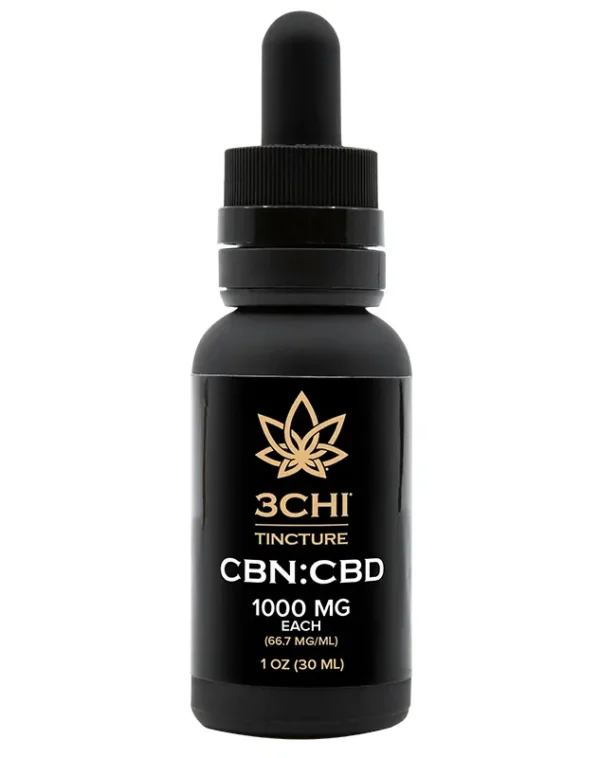
Be the first to review “CBN:CBD Oil”
Related products
Hybrid cannabis strains
Cannabis Tincture
Hybrid cannabis strains
Hybrid cannabis strains
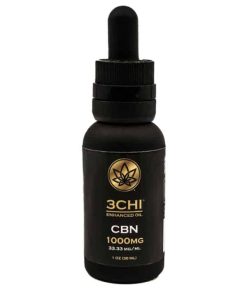
Cannabis Tincture
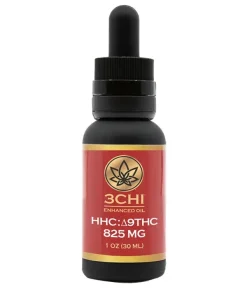
Cannabis Tincture
Cannabis Tincture
Hybrid cannabis strains
Reviews
There are no reviews yet.