
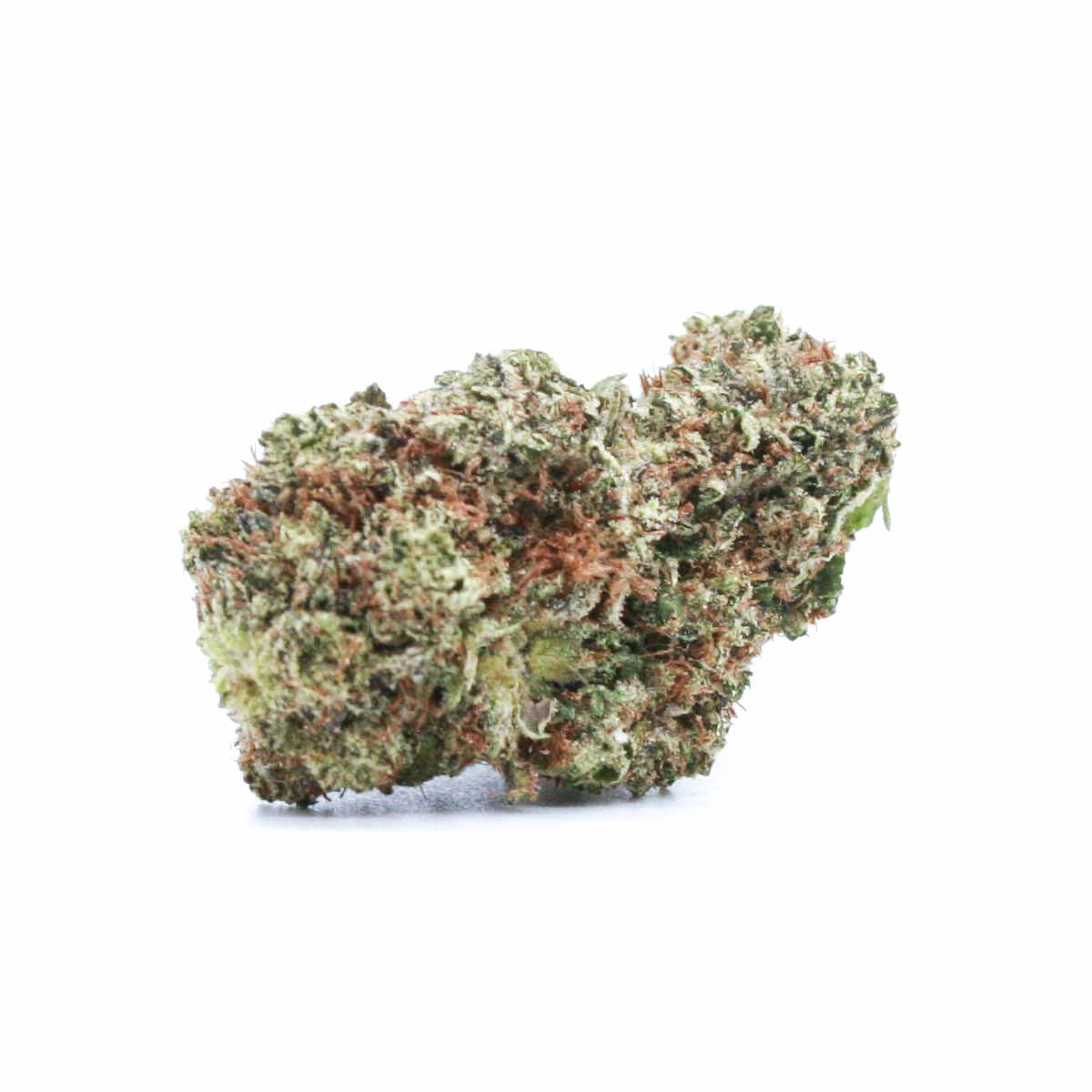
Death Bubba (AAAA)
Death Bubba (AAAA) is a cannabis cultivar name commonly encountered in discussions about cannabis genetics, plant characteristics and cannabinoid composition. However, a strain name or grading term such as “AAAA” does not by itself establish medical quality, cannabinoid concentration, therapeutic suitability or safety.
In Australia, medicinal cannabis is regulated as a therapeutic product. Therefore, educational discussions about Death Bubba are more useful when they focus on cannabinoids, brain health, long-term effects and Australia’s regulated prescribing framework rather than consumer strain rankings.
Readers can explore additional Australian medicinal cannabis education covering cannabinoids, regulation and patient safety.
Quick Facts
| Topic | Educational overview |
|---|---|
| Death Bubba | Cannabis cultivar name |
| Main cannabinoids discussed | THC and CBD |
| “AAAA” | Informal grading terminology, not an Australian medical standard |
| THC | Intoxicating cannabinoid |
| CBD | Generally non-intoxicating cannabinoid |
| Brain effects | Depend on dose, frequency, age, product and individual susceptibility |
| Medicinal cannabis Australia | Regulated therapeutic products |
| Product selection | Based on clinical assessment, not strain strength alone |
Scientific Background
Cannabis contains numerous naturally occurring compounds called cannabinoids. The two most extensively studied are delta-9-tetrahydrocannabinol (THC) and cannabidiol (CBD).
THC can influence perception, memory, attention, coordination and mood because it acts on cannabinoid receptors within the central nervous system. CBD has a different pharmacological profile and does not ordinarily cause the same intoxicating effects.
Consequently, statements about “what weed does to the brain” need to distinguish between cannabinoid composition, dosage, frequency of exposure, age and individual health factors.
Healthdirect Australia notes that cannabis affects people differently and that strength, amount used, previous exposure and other substances can all influence its effects.
Does Weed Destroy Brain Cells?
The question “does weed destroy brain cells?” is common, but it oversimplifies a complicated area of neuroscience.
Scientific evidence is better described in terms of possible effects on:
- Memory
- Attention
- Learning
- Reaction time
- Coordination
- Mental health
- Brain development during adolescence and young adulthood
It is therefore inaccurate to reduce the research to a simple claim that cannabis universally “kills” or “destroys” brain cells.
The Australian Government notes that psychoactive drugs can alter how the brain functions and that longer-term or heavier drug exposure can create significant health risks.
Does Cannabis Destroy Brain Cells?
Likewise, “does cannabis destroy brain cells?” does not have a simple yes-or-no answer.
Researchers examine changes in cognition, memory, behaviour, brain development and mental health rather than relying on the phrase “brain-cell destruction.”
Several factors matter:
- Age when exposure begins
- Frequency of cannabis exposure
- THC concentration
- Duration of use
- Individual susceptibility
- Mental health history
- Other substances or medicines
Young people deserve particular attention because brain development continues into the twenties. Australian Government health guidance notes that drug exposure during this developmental period can affect learning, memory and impulse control.
Does Weed Affect Brain Cells?
Yes, cannabis can affect brain function, particularly through THC’s actions within the central nervous system. However, the exact effects differ substantially between individuals.
Short-term effects may involve:
- Altered attention
- Slower reflexes
- Changes in perception
- Impaired coordination
- Memory difficulties
- Anxiety or paranoia in some people
Healthdirect reports that some people experience anxiety or paranoia after cannabis exposure and that the effects can vary even within the same person on different occasions.
Does Weed Kill Brain Cells?
The phrase “weed kills brain cells” is too absolute to accurately represent current scientific evidence.
Instead, research investigates how repeated cannabis exposure may influence:
- Cognitive performance
- Memory
- Mental health
- Dependence
- Behaviour
- Brain development
Therefore, a more scientifically useful question is: How may cannabis exposure affect brain function over time?
That question allows researchers to examine measurable outcomes rather than relying on a misleading slogan.
Effects of Marijuana on the Brain
Cannabis is considered a psychoactive substance because it can alter thinking, perception and behaviour.
The Australian Government explains that psychoactive drugs act mainly on the central nervous system and temporarily change brain function and consciousness. Cannabis can produce effects across more than one traditional drug category.
Possible brain-related effects include:
- Changes in concentration
- Altered perception
- Impaired short-term memory
- Reduced coordination
- Slower reaction time
- Mood changes
Individual responses are influenced by both the product and the person using it.
Long-Term Weed Use Effects
Long-term cannabis exposure is an important area of public-health research.
Healthdirect reports that long-term cannabis use may be associated with memory problems, dependence and increased risks involving anxiety, depression, psychosis and other mental-health conditions.
However, association does not mean every person will experience the same outcome. Researchers continue studying how genetics, age, frequency, THC concentration and existing health conditions influence risk.
What Does Weed Do to Your Body?
Cannabis does not affect only the brain. Depending on the product, dose and person, effects can involve:
- Heart rate
- Coordination
- Reflexes
- Appetite
- Mood
- Memory
- Perception
- Sleepiness
The Australian Government emphasises that drug effects depend on factors such as strength, amount, method of administration, general health and whether other substances are used at the same time.
Long-Term Effects of Cannabinoids on Development and Behaviour
Research into the long-term effects of cannabinoids on development and behaviour is particularly important for adolescents and young adults.
The developing brain may respond differently to psychoactive substances than the mature adult brain. Therefore, researchers examine outcomes involving:
- Learning
- Memory
- Motivation
- Impulse control
- Mood
- Behaviour
- Mental-health vulnerability
This is one reason why healthcare professionals consider age, mental-health history and other risk factors when assessing medicinal cannabis.
The broader Aussie Medical Cannabis educational resources explain why medicinal cannabis treatment should be individualised rather than based on strain popularity or THC strength.
Weed Psychological Effects
Cannabis can produce different psychological experiences in different people.
Reported effects may include:
- Relaxation
- Euphoria
- Drowsiness
- Altered perception
- Anxiety
- Paranoia
- Confusion
Furthermore, regular or long-term exposure may affect mental health differently from occasional exposure.
Consequently, psychological effects should be evaluated within the person’s overall medical and mental-health context rather than attributed to a strain name alone.
THC Gummies
THC gummies are edible medicinal cannabis formulations that contain delta-9-tetrahydrocannabinol (THC). Within Australia, products containing THC are regulated therapeutic products and are only available where legally prescribed and clinically appropriate.
Unlike inhaled cannabis products, edible formulations must first pass through the digestive system before the THC is absorbed and metabolised. Because of this process:
- Effects may take longer to begin.
- Duration of effects may be longer.
- Individual responses vary considerably.
- Dose requirements differ between patients.
Healthcare professionals prescribe medicinal cannabis products based on an individual’s medical history, treatment goals and safety considerations rather than product popularity.
Edible Gummies Containing THC
Many people search for “edible gummies THC” when learning about medicinal cannabis dosage forms.
Educationally, edible THC products differ from inhaled products because:
- Absorption occurs through digestion.
- Onset is usually delayed.
- Effects may last longer.
- Dosing should only follow professional medical advice.
The Therapeutic Goods Administration (TGA) recommends that medicinal cannabis products be used only under appropriate clinical supervision.
Medical Hash Oil
Medical hash oil refers to concentrated cannabis preparations that may contain cannabinoids such as CBD, THC or a combination of both.
Within Australia’s medicinal cannabis framework, cannabinoid medicines are manufactured according to pharmaceutical quality standards designed to provide:
- Consistent cannabinoid concentrations
- Product quality
- Batch testing
- Manufacturing controls
- Patient safety
Different medicinal cannabis formulations have different cannabinoid profiles, making clinical assessment essential before any product is prescribed.
Medicinal Cannabis Products Compared With Recreational Cannabis
Educational discussions should distinguish between regulated medicinal cannabis products and non-medical cannabis.
| Regulated Medicinal Cannabis | Non-medical Cannabis |
|---|---|
| Manufactured to quality standards | Composition may vary considerably |
| Prescribed after clinical assessment | Not part of Australia’s regulated therapeutic framework |
| Known cannabinoid profile | Cannabinoid content often unknown |
| Medical monitoring | No structured clinical supervision |
| Evidence-based healthcare | Individual risks may be unpredictable |
Understanding this distinction helps readers interpret medicinal cannabis information accurately.
Brain Health and Responsible Cannabis Education
Research into cannabis and brain health continues internationally.
Scientists continue investigating:
- Cognitive performance
- Memory
- Attention
- Behaviour
- Mental health
- Neurodevelopment
- Cannabinoid pharmacology
Current evidence shows that responses differ between individuals and depend on numerous biological, medical and environmental factors. Consequently, healthcare professionals avoid broad conclusions based solely on strain names or THC percentages.
Medicinal Cannabis Education in Australia
Australia regulates medicinal cannabis through a structured healthcare framework designed to ensure patient safety and evidence-based prescribing.
Healthcare professionals generally assess:
- Medical history
- Current diagnosis
- Previous treatments
- Current medicines
- Potential medicine interactions
- Expected therapeutic outcomes
- Possible risks
- Ongoing clinical monitoring
Medicinal cannabis is not appropriate for every patient or every medical condition, and treatment decisions are individualised.
Readers wishing to understand cannabinoids, medicinal cannabis products and Australian prescribing pathways can continue exploring Aussie Medical Cannabis.
Official regulatory information is available through the Therapeutic Goods Administration – Medicinal Cannabis Hub.
Frequently Searched Educational Terms
| Search phrase | Educational explanation |
| Does weed destroy brain cells? | Current research focuses on brain function, cognition and development rather than a simple yes-or-no answer. |
| Does cannabis destroy brain cells? | Scientific evidence evaluates memory, behaviour and brain development rather than universal brain-cell destruction. |
| Does weed affect brain cells? | Cannabis can affect brain function, particularly through THC, with effects varying between individuals. |
| Does weed kill brain cells? | This phrase oversimplifies a complex area of neuroscience. |
| Effects of marijuana on the brain | Researchers study cognition, memory, mood and the endocannabinoid system. |
| Long-term weed use effects | Ongoing research examines cognitive, behavioural and mental health outcomes. |
| What does weed do to your body? | Cannabis may influence the brain, cardiovascular system, coordination and perception depending on multiple factors. |
| Long-term effects of cannabinoids on development behaviour | Scientists continue studying neurodevelopment and behavioural outcomes. |
| Weed psychological effects | Responses vary and may include changes in mood, perception or cognition. |
| THC gummies | Edible medicinal cannabis formulations containing THC where clinically appropriate. |
| Edible gummies THC | Educational information regarding oral cannabinoid dosage forms. |
| Medical hash oil | Concentrated medicinal cannabis preparations manufactured under quality standards. |
Frequently Asked Questions
What is Death Bubba (AAAA)?
Death Bubba is a cannabis cultivar discussed in cannabis genetics, plant breeding and medicinal cannabis education.
Does cannabis permanently damage the brain?
Current scientific evidence is more complex than a simple yes-or-no answer. Researchers continue investigating cognition, brain development and mental health while recognising that individual responses vary.
Why are THC gummies different from inhaled cannabis?
THC gummies are absorbed through the digestive system, resulting in a slower onset and often a longer duration of effects than inhaled products.
What is medical hash oil?
Medical hash oil is a concentrated medicinal cannabis preparation manufactured under regulated quality standards and prescribed where clinically appropriate.
Why is medicinal cannabis prescribed individually?
Healthcare professionals consider each patient’s medical history, diagnosis, previous treatments and therapeutic goals before determining whether medicinal cannabis may be appropriate.
How does cannabis education differ from medicinal cannabis education?
Cannabis education focuses on plant biology, cannabinoids and scientific research, while medicinal cannabis education explains Australia’s regulated therapeutic framework, evidence-based prescribing and patient safety.
Where to Explore Educational Information
To continue learning about medicinal cannabis, cannabinoids, Australian prescribing pathways and evidence-based healthcare, visit Aussie Medical Cannabis.
Additional trusted Australian educational resources include:
- Therapeutic Goods Administration – Medicinal Cannabis Hub
- Healthdirect Australia
- National Health and Medical Research Council (NHMRC)
- Australian Government Department of Health, Disability and Ageing
These Australian authority resources provide evidence-based information about medicinal cannabis regulation, cannabinoids, neuroscience, public health and patient safety.
| Quantity | 1/8 oz(3.5g), 1/4 oz (7g), 1/2 oz (14g), 1 oz (28g) |
|---|
Be the first to review “Death Bubba (AAAA)”
Related products
Indica strains
Indica strains
Indica strains
Indica strains
Indica strains
Indica strains
Indica strains
Indica strains
Reviews
There are no reviews yet.