
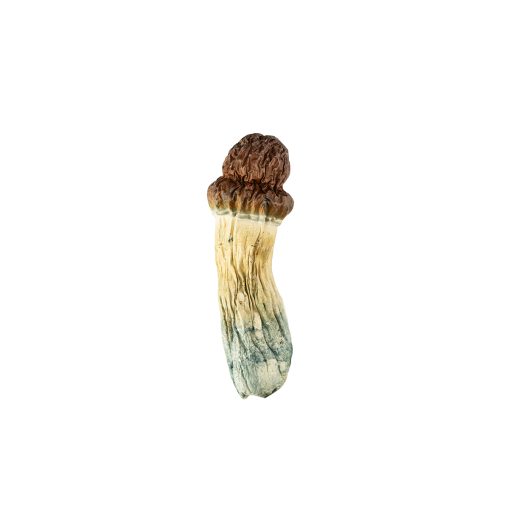
Blue Pulaski Mushroom
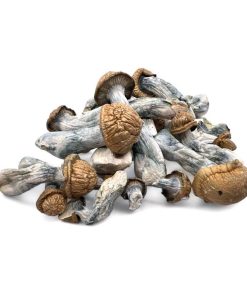
Blue Pulaski Mushroom is a name commonly associated with a cultivated variety related to Psilocybe cubensis that is discussed within mycology and fungal taxonomy. It is recognised for its distinctive appearance and is primarily examined for scientific and educational purposes rather than culinary use.
Australia is home to thousands of native and introduced fungal species. While many edible mushrooms are safely cultivated for food, others are poisonous and should never be consumed. Consequently, accurate mushroom identification is essential for public safety, and people should never rely on appearance alone when identifying wild mushrooms.
Readers interested in Australia’s medicinal cannabis framework can also explore Aussie Medical Cannabis for educational information about cannabinoids, medicinal cannabis products and Australian healthcare regulations.
Quick Facts
| Feature | Blue Pulaski Mushroom | Death Cap Mushroom |
|---|---|---|
| Kingdom | Fungi | Fungi |
| Scientific association | Psilocybe cubensis variety | Amanita phalloides |
| Primary interest | Mycological education | Poisonous mushroom awareness |
| Culinary use | Not regarded as a food mushroom | Never consume |
| Australian focus | Scientific education | Public health and poison prevention |
Scientific Background
Blue Pulaski Mushroom is generally regarded within mycological communities as a cultivated variety associated with Psilocybe cubensis. Like other fungi, it develops from microscopic spores before producing fruiting bodies when environmental conditions such as humidity, substrate and temperature are favourable.
Although mushroom varieties may appear similar, they can belong to completely different genera and possess very different biological properties. Therefore, scientific identification requires careful examination rather than visual comparison alone.
Physical Characteristics
Blue Pulaski Mushroom is commonly described as having:
- Thick white stem
- Rounded to flattened cap
- Cream to pale golden colouring
- Dense fruiting body
- Purple-brown spores at maturity
- Fibrous internal tissue
These characteristics vary according to environmental conditions and genetics.
Death Cap Mushroom
The death cap mushroom (Amanita phalloides) is recognised as one of the world’s most poisonous mushrooms.
In Australia, death cap mushrooms have been reported in several regions, particularly near introduced oak trees. Because they may resemble some edible mushroom species, accidental poisonings can occur when people collect wild mushrooms without expert identification.
The Australian National Botanic Gardens – Fungi provides educational information about Australia’s fungi and mushroom diversity.
Harmful Mushrooms
Australia contains numerous harmful mushroom species.
Some poisonous mushrooms may cause:
- Severe stomach upset
- Liver damage
- Kidney damage
- Neurological symptoms
- Serious illness
- Death in severe poisoning cases
Importantly, poisonous mushrooms cannot be identified safely by myths, taste, smell or appearance alone.
The safest approach is never to consume wild mushrooms unless they have been identified by an appropriately qualified expert.
Deadly Mushrooms
Several deadly mushroom species occur worldwide, including:
- Amanita phalloides (Death Cap)
- Amanita virosa
- Galerina marginata
These species produce toxins capable of causing life-threatening poisoning.
Consequently, mushroom identification should always be approached with caution.
Death Cap Mushroom Australia
Death cap mushrooms have been recorded in parts of:
- Victoria
- Australian Capital Territory
- Tasmania
- Other suitable environments associated with introduced trees
Although they are not found everywhere, Australians should remain cautious when encountering unknown wild mushrooms.
The Healthdirect Australia advises that suspected mushroom poisoning requires urgent medical assessment.
What Does a Death Cap Mushroom Look Like?
Death cap mushrooms may display:
- Pale green to olive cap
- White gills
- White stem
- Cup-like structure (volva) at the base
- Ring around the stem
However, these features vary according to age and environmental conditions.
Therefore, appearance alone is not sufficient to determine whether a mushroom is safe.
Death Cap Mushroom Photos
Many people search for photographs of death cap mushrooms to compare them with mushrooms found outdoors.
Although photographs can help explain typical features, images alone should never be used to identify wild mushrooms because lighting, age and natural variation may make different species appear similar.
What Do Death Cap Mushrooms Look Like?
People frequently search for information about the appearance of death cap mushrooms because they can resemble some edible species during certain stages of growth. However, appearance alone is never a reliable way to determine whether a mushroom is safe.
Typical characteristics of death cap mushrooms (Amanita phalloides) may include:
- Pale green, olive-green or yellow-green cap
- Smooth cap surface
- White gills
- White stem
- Hanging ring (annulus) around the stem
- White cup-like structure (volva) surrounding the base
- White spore print
These features may vary depending on the mushroom’s age, weather conditions and environment.
What Do Death Caps Look Like?
Young death cap mushrooms often emerge from a white egg-like structure before expanding into mature fruiting bodies.
As they develop, they may appear:
- Small and rounded
- Dome-shaped
- Broad and flattened
- Pale green or olive coloured
- Cream or yellowish under some conditions
Because several edible mushrooms may share similar colours or shapes, visual comparisons alone are unsafe.
How to Identify a Death Cap Mushroom
Accurate mushroom identification requires careful examination by trained experts.
Mycologists may assess:
- Cap colour and texture
- Gill attachment
- Stem characteristics
- Ring on the stem
- Volva at the base
- Spore print colour
- Habitat
- Microscopic characteristics
Importantly, members of the public should never attempt to identify edible mushrooms solely by comparing photographs or online descriptions.
If there is any uncertainty, the mushroom should not be handled for consumption.
Mushroom Safety in Australia
Australia has a rich diversity of native and introduced fungi. While many edible mushrooms are cultivated commercially, poisonous species also occur naturally.
General mushroom safety recommendations include:
- Never eat unidentified wild mushrooms.
- Keep children away from unknown fungi.
- Prevent pets from eating wild mushrooms.
- Learn only from reliable educational resources.
- Seek expert advice if mushroom identification is required.
Anyone who believes they may have consumed a poisonous mushroom should seek urgent medical care immediately.
Mushroom Education Compared With Medicinal Cannabis
Although mushrooms and cannabis both originate from natural organisms, they serve very different purposes.
| Mushroom Education | Medicinal Cannabis Education |
|---|---|
| Focuses on fungal biology and identification | Focuses on regulated cannabinoid medicines |
| Includes edible and poisonous species | Includes prescription therapeutic products |
| Encourages public safety and identification | Explains Australian prescribing pathways |
| Supports biodiversity education | Supports patient education |
| Does not involve prescribing | Requires healthcare professional assessment |
Accordingly, mushroom education should never be confused with medicinal cannabis treatment.
Medicinal Cannabis Education in Australia
Australia regulates medicinal cannabis through a structured healthcare framework designed to protect patient safety.
Before recommending medicinal cannabis, healthcare professionals generally assess:
- Medical history
- Current diagnosis
- Previous treatments
- Current medicines
- Potential medicine interactions
- Clinical goals
- Possible benefits
- Potential risks
Because every patient is different, treatment decisions are individualised and based on clinical evidence.
Readers wishing to understand medicinal cannabis, cannabinoids and Australian prescribing pathways can continue exploring Aussie Medical Cannabis.
The Therapeutic Goods Administration (TGA) – Medicinal Cannabis Hub provides official information regarding medicinal cannabis regulation and patient access.
Frequently Searched Educational Terms
| Search phrase | Educational explanation |
| Deathcap mushroom | Common spelling referring to the poisonous death cap mushroom. |
| Harmful mushrooms | Refers to mushroom species capable of causing illness or poisoning. |
| Death cap | Common name for Amanita phalloides. |
| Deadly mushrooms | Mushroom species capable of causing severe poisoning. |
| Amanita phalloides mushroom | Scientific name for the death cap mushroom. |
| Death cap mushroom Australia | Refers to poisonous mushrooms found in parts of Australia. |
| What does a death cap mushroom look like? | Educational description of common identifying features. |
| Death cap mushroom photos | Images used for educational purposes only and not for definitive identification. |
| What do death cap mushrooms look like? | Common search regarding appearance and safety. |
| What do death caps look like? | Educational description of typical physical features. |
| How to identify a death cap mushroom | Scientific identification requires expert assessment and should not rely solely on appearance. |
Frequently Asked Questions
What is Blue Pulaski Mushroom?
Blue Pulaski Mushroom is a cultivated variety associated with Psilocybe cubensis and is primarily discussed within mycology and fungal education.
What is a death cap mushroom?
The death cap mushroom (Amanita phalloides) is one of the world’s most poisonous mushrooms and has been reported in parts of Australia.
Can photographs identify a poisonous mushroom?
No. Photographs may assist education, but they are not sufficient for reliable identification because many mushroom species appear similar.
Where are death cap mushrooms found in Australia?
Death cap mushrooms have been recorded in several Australian regions, particularly around introduced oak trees.
What should I do if someone eats an unknown mushroom?
Seek urgent medical attention immediately. Prompt assessment is essential because mushroom poisoning can become life-threatening.
How does mushroom education differ from medicinal cannabis education?
Mushroom education focuses on fungal biology, identification and safety, while medicinal cannabis education explains Australia’s regulated therapeutic framework and cannabinoid medicines.
Where to Explore Educational Information
To continue learning about medicinal cannabis, cannabinoids, Australian prescribing pathways and evidence-based healthcare, visit Aussie Medical Cannabis.
Additional trusted Australian educational resources include:
- Therapeutic Goods Administration – Medicinal Cannabis Hub
- Healthdirect Australia
- Australian National Botanic Gardens – Fungi
- Australian Poisons Information Centres
These Australian authority resources provide evidence-based information about poisonous mushrooms, medicinal cannabis regulation, public health and poisoning prevention.
| Quantity | 7G, 14G, 28G, 1/4 LB |
|---|
Be the first to review “Blue Pulaski Mushroom”
Related products
Bulk Mushrooms
Bulk Mushrooms

Bulk Mushrooms
Bulk Mushrooms
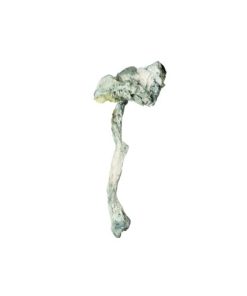
Bulk Mushrooms
Bulk Mushrooms
Bulk Mushrooms
Bulk Mushrooms
Reviews
There are no reviews yet.