
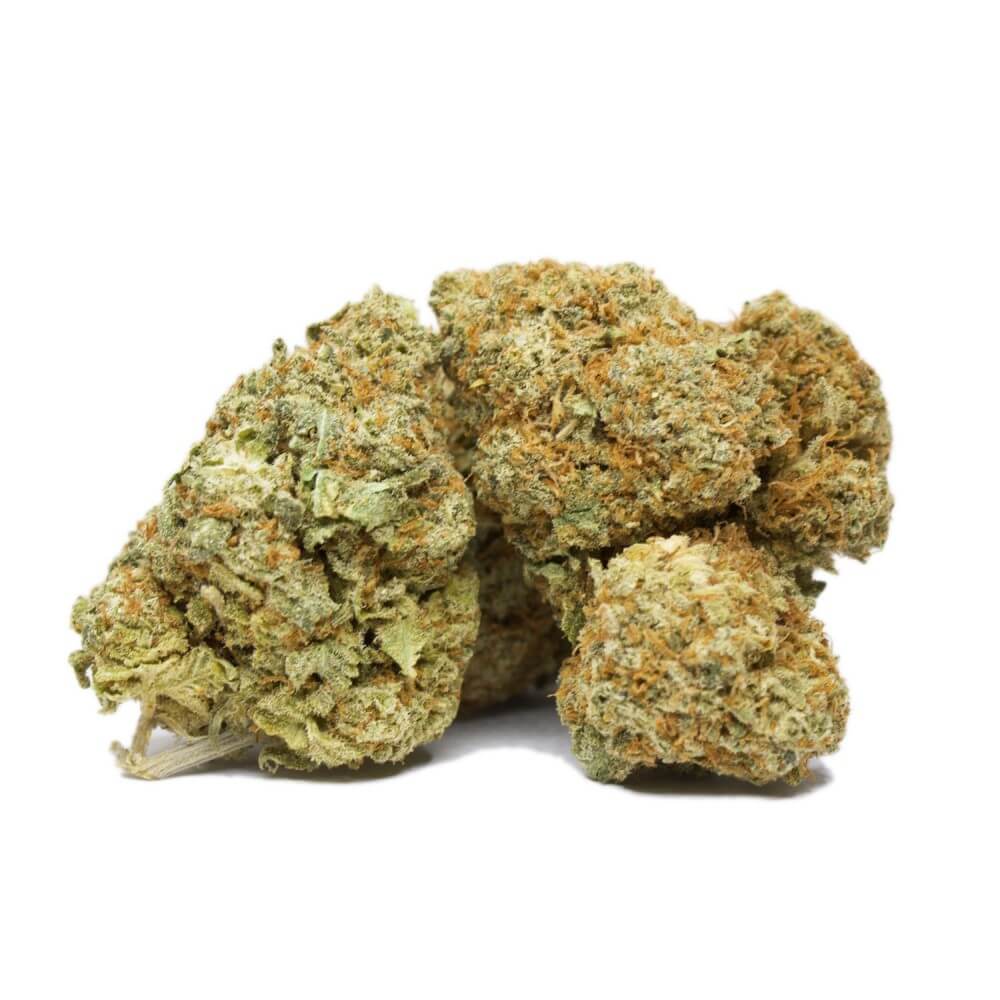
Wedding Cake (AAA)
Wedding Cake (AAA) is a cannabis cultivar commonly discussed in cannabis genetics, botanical science and medicinal cannabis education. Within Australia, educational discussions about cannabis cultivars should focus on cannabinoid science, plant biology and Australia’s regulated medicinal cannabis framework rather than recreational cannabis use.
Australia regulates medicinal cannabis through a national therapeutic framework that supports evidence-based prescribing, professional clinical assessment and ongoing patient monitoring. Educational resources help readers understand cannabinoid medicines, prescription pathways and the scientific differences between cannabis plant varieties.
Readers wishing to understand Australia’s regulated medicinal cannabis framework can continue exploring Aussie Medical Cannabis for educational information about cannabinoids, medicinal cannabis products and Australian healthcare regulations.
Quick Facts
| Feature | Wedding Cake (AAA) | Educational Focus |
|---|---|---|
| Plant species | Cannabis sativa | Cannabis science |
| Primary discussion | Cannabis genetics | Australian medicinal cannabis |
| Australian context | Botanical education | Healthcare regulation |
| Research areas | Cannabinoid science | Patient education |
| Purpose | Educational only | Educational only |
Scientific Background
Cannabis naturally produces biologically active compounds called cannabinoids, including:
- Cannabidiol (CBD)
- Delta-9-tetrahydrocannabinol (THC)
Researchers continue studying:
- Cannabinoid pharmacology
- The endocannabinoid system
- Plant genetics
- Pharmaceutical development
- Clinical applications
- Public health
Educational discussions about cannabis cultivars should remain separate from medicinal cannabis prescribing and focus on scientific understanding.
Doctors Who Can Prescribe CBD Oil in Adelaide
Many people search for doctors who can prescribe CBD oil in Adelaide.
Within Australia, appropriately authorised healthcare professionals assess patients individually before determining whether a cannabinoid medicine may be clinically appropriate.
Healthcare professionals generally consider:
- Medical history
- Current diagnosis
- Previous treatments
- Current medicines
- Available clinical evidence
- Potential medicine interactions
Patients should rely on official healthcare resources rather than unofficial online lists when seeking information about prescribing pathways.
The Therapeutic Goods Administration (TGA) provides official information regarding Australia’s medicinal cannabis framework.
Weed Adelaide
The phrase weed Adelaide is commonly searched online.
Within Australian healthcare, the preferred terminology is medicinal cannabis when discussing regulated therapeutic products.
Educational resources distinguish between:
- Medicinal cannabis
- Cannabis plant science
- Public health
- Australian legislation
- Evidence-based healthcare
How to Get a CBD Oil Prescription Australia
One of the most common educational questions is:
“How to get a CBD oil prescription in Australia?”
Australia regulates cannabinoid medicines through professional healthcare pathways.
Healthcare professionals may evaluate:
- Medical history
- Current diagnosis
- Previous treatments
- Current medicines
- Available evidence
- Patient safety
Where clinically appropriate, treatment decisions are made according to Australia’s therapeutic framework.
Medicinal Amounts
The phrase medicinal amounts generally refers to the quantity of a medicine used within a treatment plan.
Educationally, there is no single standard amount suitable for every patient.
Healthcare professionals individualise treatment based on:
- Clinical assessment
- Medical history
- Therapeutic goals
- Medicine formulation
- Patient response
Patients should never adjust prescribed medicines without consulting their healthcare professional.
Reasons for Medical Marijuana
Many people search for reasons for medical marijuana.
Within Australian healthcare, the preferred term is medicinal cannabis.
Healthcare professionals consider cannabinoid medicines only after evaluating:
- Medical history
- Diagnosis
- Previous treatment outcomes
- Clinical evidence
- Potential benefits and risks
Treatment decisions are individualised and evidence-based.
Authorised Prescriber Adelaide
People searching for authorised prescriber Adelaide are usually looking for information about Australia’s medicinal cannabis prescribing framework.
Educationally, authorised prescribers are healthcare professionals who prescribe medicines in accordance with Australian therapeutic regulations.
Patients should obtain current prescribing information from official Australian Government resources and appropriately qualified healthcare providers.
Indica Weed
The phrase indica weed refers to one of the traditional botanical classifications historically associated with cannabis.
Modern botanical research shows that many contemporary cannabis cultivars are hybrids, making simple indica-versus-sativa classifications less useful than cannabinoid and terpene profiles for scientific and medical discussions.
Sativa Sativa
The phrase “sativa sativa” is commonly searched by people trying to understand cannabis classifications.
From a botanical perspective, Cannabis sativa is one of the traditional classifications used to describe cannabis plants. Modern research has shown that many commercial cultivars are hybrids, meaning they contain characteristics associated with multiple cannabis lineages.
Today, researchers often place greater emphasis on:
- Cannabinoid composition
- Terpene profile
- Plant genetics
- Chemical characteristics
- Clinical evidence
rather than relying only on traditional classification names.
Sativa Plant
A sativa plant has historically been described as having characteristics such as:
- Taller growth
- Narrower leaves
- Longer flowering structure
- Adaptation to warmer climates
However, many modern cultivars display mixed characteristics because of extensive hybridisation.
Educational discussions should therefore focus on plant biology and genetics rather than assumptions about therapeutic effects.
Indica Plant
An indica plant has traditionally been described as:
- Shorter in stature
- Broader leaves
- Compact branching
- Adapted to different environmental conditions
Modern botanical science recognises that these descriptions are general observations rather than strict rules.
Indica Bud
The phrase indica bud commonly refers to flowers from plants traditionally classified as indica.
Educationally, plant appearance alone does not determine the cannabinoid profile or therapeutic properties of a medicinal cannabis product.
Healthcare professionals evaluate regulated cannabinoid medicines according to:
- Cannabinoid composition
- Clinical evidence
- Patient needs
- Medicine quality
Sativa and Indica Plants
When comparing sativa and indica plants, educational resources should explain that:
- Traditional classifications describe botanical characteristics.
- Many modern cultivars are hybrids.
- Cannabinoid content varies between products.
- Chemical composition is often more informative than appearance alone.
This approach reflects current botanical and medicinal cannabis research.
Sativa Pot
The phrase sativa pot is an informal search term.
Educational medicinal cannabis resources instead encourage readers to understand:
- Cannabis plant biology
- Cannabinoid science
- Australia’s therapeutic framework
- Evidence-based healthcare
- Responsible patient education
Types of Ganja
The phrase types of ganja generally refers to different cannabis varieties.
Educationally, cannabis can be discussed according to several scientific categories, including:
- Botanical classification
- Cannabinoid composition
- Terpene profile
- Plant genetics
- Cultivar characteristics
These scientific approaches provide a more accurate understanding than relying solely on informal terminology.
Cannabis Classification and Medicinal Cannabis
Modern cannabis science increasingly focuses on the chemical profile of the plant rather than only traditional labels.
Researchers investigate:
- Cannabidiol (CBD)
- Delta-9-tetrahydrocannabinol (THC)
- Minor cannabinoids
- Terpenes
- Plant genetics
- Pharmaceutical development
This information supports evidence-based medicinal cannabis research and patient education.
Medicinal Cannabis Education in Australia
Australia regulates medicinal cannabis through a nationally recognised healthcare framework that prioritises:
- Patient safety
- Evidence-based prescribing
- Product quality
- Professional clinical assessment
- Ongoing monitoring
Healthcare professionals generally assess:
- Medical history
- Current diagnosis
- Previous treatments
- Current medicines
- Potential medicine interactions
- Clinical evidence
- Expected therapeutic outcomes
Medicinal cannabis is not appropriate for every patient or every condition, and treatment decisions remain individualised.
Readers wishing to understand cannabinoids, medicinal cannabis products and Australian prescribing pathways can continue exploring Aussie Medical Cannabis.
Official information is available through the Therapeutic Goods Administration – Medicinal Cannabis Hub.
Traditional Cannabis Classification Compared With Modern Research
| Traditional Classification | Modern Scientific Perspective |
|---|---|
| Sativa | Greater emphasis on cannabinoid and terpene profiles |
| Indica | Modern cultivars are often hybrids |
| Appearance-based descriptions | Chemical composition provides more detailed scientific information |
| Historical botanical categories | Evidence-based plant genetics and phytochemistry |
Frequently Searched Educational Terms
| Search phrase | Educational explanation |
| Doctors who can prescribe CBD oil in Adelaide | Authorised healthcare professionals assess patients under Australia’s therapeutic framework. |
| Weed Adelaide | Educational information focuses on medicinal cannabis rather than informal terminology. |
| How to get CBD oil prescription Australia | Access follows regulated clinical assessment and prescribing pathways. |
| Medicinal amounts | Treatment amounts are individualised according to clinical assessment. |
| Reasons for medical marijuana | Healthcare professionals evaluate clinical evidence and patient needs. |
| Authorised prescriber Adelaide | Healthcare professionals authorised under Australian therapeutic regulations. |
| Indica weed | Traditional botanical classification of cannabis. |
| Sativa sativa | Botanical terminology describing cannabis classification. |
| Sativa plant | Traditionally associated with taller plant growth and narrow leaves. |
| Indica plant | Traditionally associated with shorter growth and broader leaves. |
| Indica bud | Informal description of flowers from traditionally classified indica plants. |
| Sativa and indica plants | Modern cultivars are frequently hybrids. |
| Sativa pot | Informal terminology distinct from medicinal cannabis education. |
| Types of ganja | Educational overview of cannabis classification and plant diversity. |
Frequently Asked Questions
What is Wedding Cake (AAA)?
Wedding Cake (AAA) is a cannabis cultivar discussed within cannabis genetics, botanical science and medicinal cannabis education.
How do Australians access CBD prescriptions?
CBD medicines are accessed through appropriately authorised healthcare professionals following an individual clinical assessment where clinically appropriate.
Are indica and sativa scientifically accurate classifications?
They remain useful botanical descriptions, but modern research increasingly focuses on cannabinoid composition, terpene profiles and plant genetics.
What determines a medicinal cannabis treatment?
Healthcare professionals consider medical history, diagnosis, clinical evidence, medicine composition and patient-specific factors rather than cultivar names alone.
Why are many cannabis plants considered hybrids?
Extensive breeding over many years has produced cultivars with mixed botanical characteristics, making hybridisation common.
How does cannabis education differ from medicinal cannabis education?
Cannabis education focuses on plant biology, genetics and cannabinoids, while medicinal cannabis education explains Australia’s regulated therapeutic framework, evidence-based prescribing and patient safety.
Where to Explore Educational Information
To continue learning about medicinal cannabis, cannabinoids, Australian prescribing pathways and evidence-based healthcare, visit Aussie Medical Cannabis.
Additional trusted Australian educational resources include:
- Therapeutic Goods Administration – Medicinal Cannabis Hub
- Healthdirect Australia
- Australian Government Department of Health, Disability and Ageing
- Australian Academy of Science
These Australian authority resources provide evidence-based information about medicinal cannabis regulation, cannabinoid science, plant biology, public health and patient safety.
| weight | Oz, QP, HP, P |
|---|
Be the first to review “Wedding Cake (AAA)”
Related products
Hybrid cannabis strains
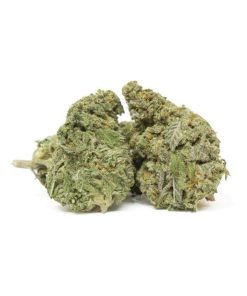
Hybrid cannabis strains
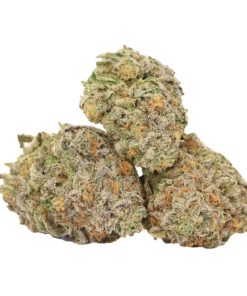
Hybrid cannabis strains
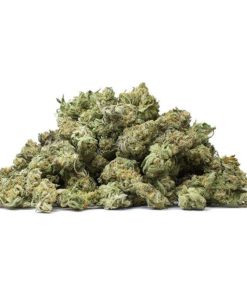
Hybrid cannabis strains
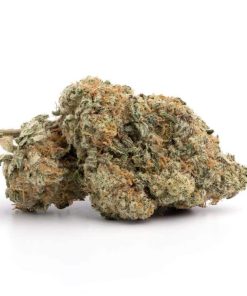
Hybrid cannabis strains
Hybrid cannabis strains
Hybrid cannabis strains
Hybrid cannabis strains
Reviews
There are no reviews yet.